


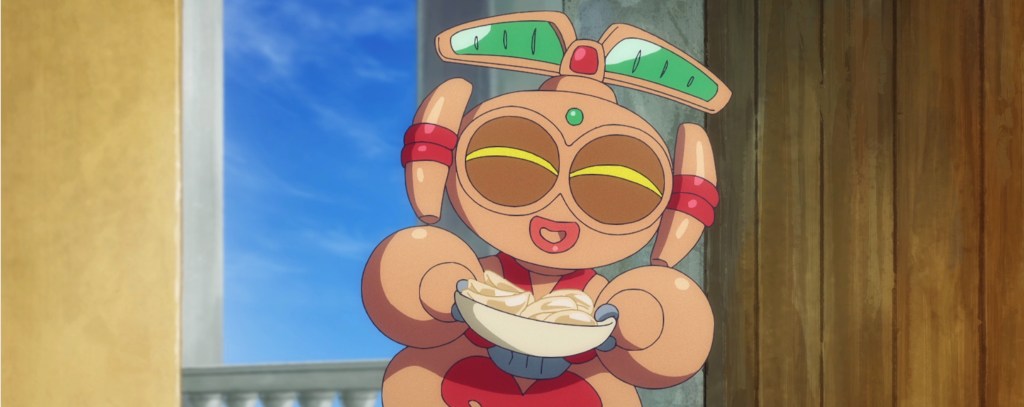
If you’ve been keeping up with BtT lately, you’ll have noticed that we’re pretty big fans of Mappa’s original series, Zenshu, starring the animation director Hirose Natsuko as the self-sufficient loner genius who loses an encounter with an out-of-date clamshell bento and winds up incarnated in her favorite anime movie, the tragic A Tale of Perishing. Well, the latest episode, “Hero,” has us all fired up again! It picks up so perfectly from Twwk’s post from last week that we couldn’t resist sitting down and unpacking it.
So if you haven’t already, check out “Don’t Forget Your Party,” be sure to watch episode 9, and then come join us for a little screenside chat as we explore the latest twists and turns in A Tale of Perishing and Natsuko’s epic undertaking to save her favorite characters, and what they have to show us about good leadership, transformation, and the one powerful thing that the enemy can never copy. Let’s go!
Warning: Spoilers in the extreme!

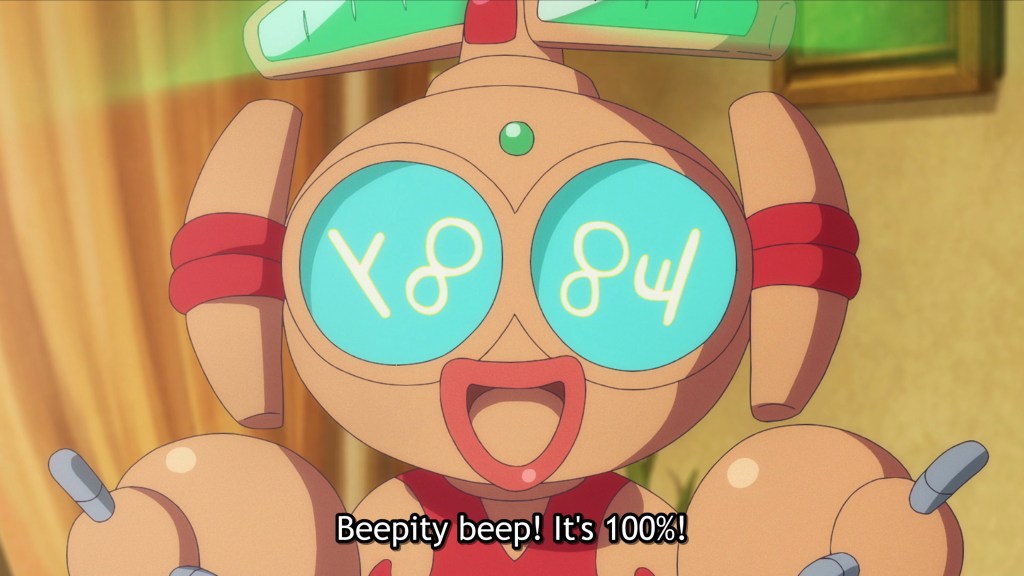
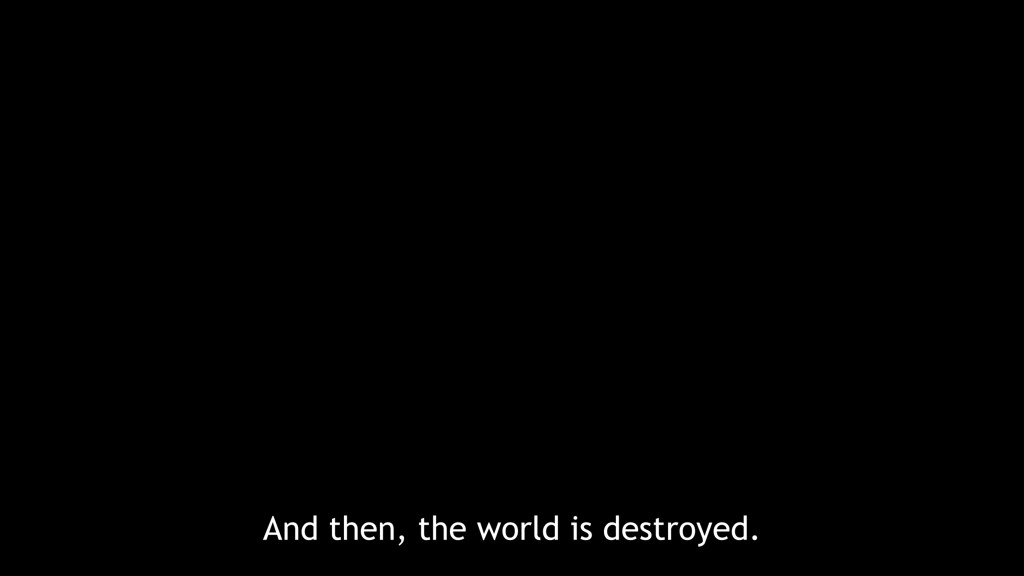
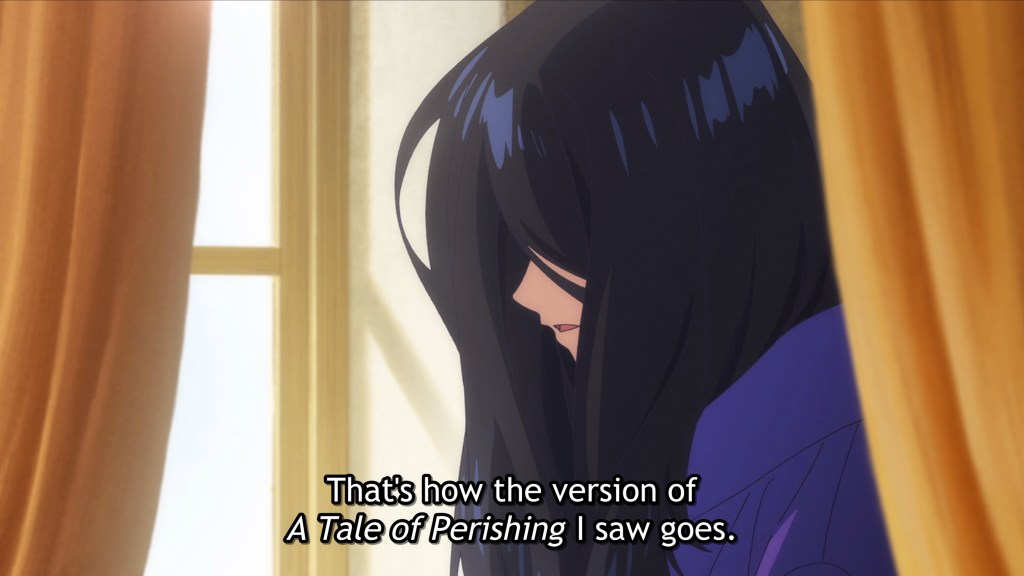
Episode nine begins with the telltale signs of what might be considered a recap episode. But fear not, anime viewers—besides being shown from Luke’s perspective as he goes from losing friends to becoming encouraged by Natsuko (and then falling in love with her), we’re also shown plenty of new material, including the deaths of some of the Nine Soldiers. The episode then shifts to Natsuko, who wakes after the last battle, but instead of immediately eating like usual, retreats to her room where she has a chat with QJ. Unusually inquisitive, QJ asks about Kametaro’s words, which express that Luke is doomed, to which Natsuko responds by summarizing A Tale of Perishing and explaining what awaits all of them, QJ included as the lone survivor of the Nine—at least until the world comes to an end.
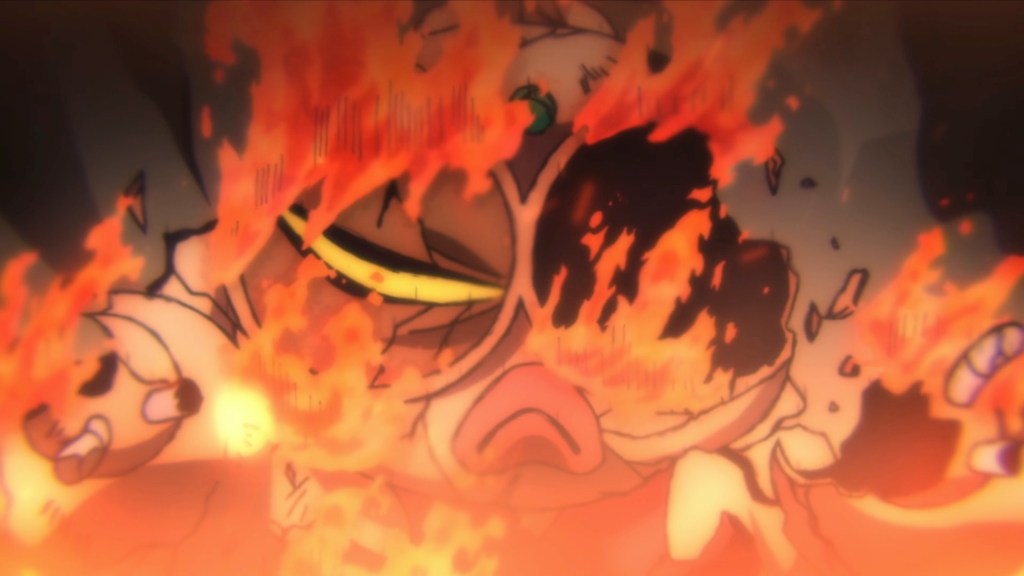
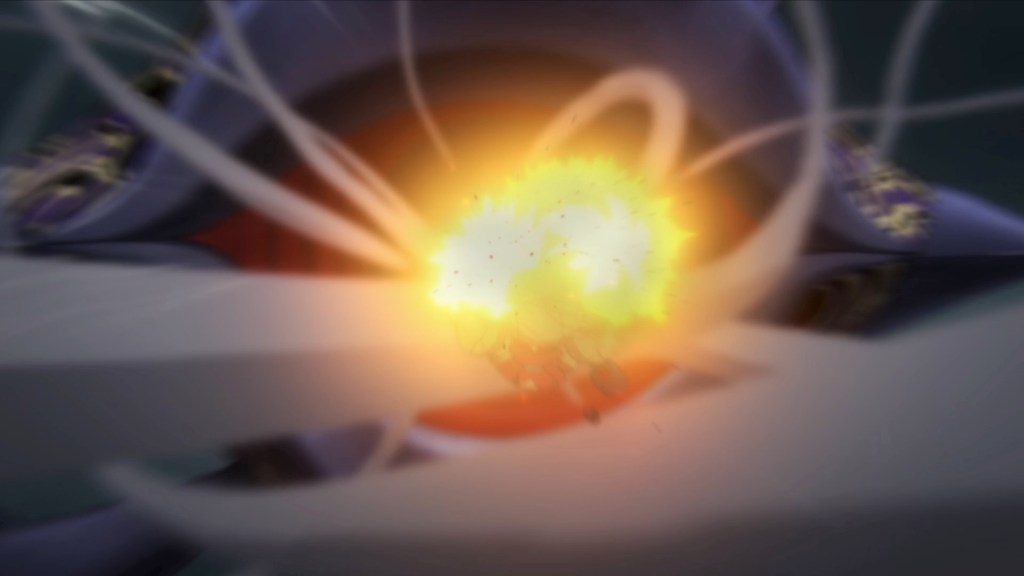
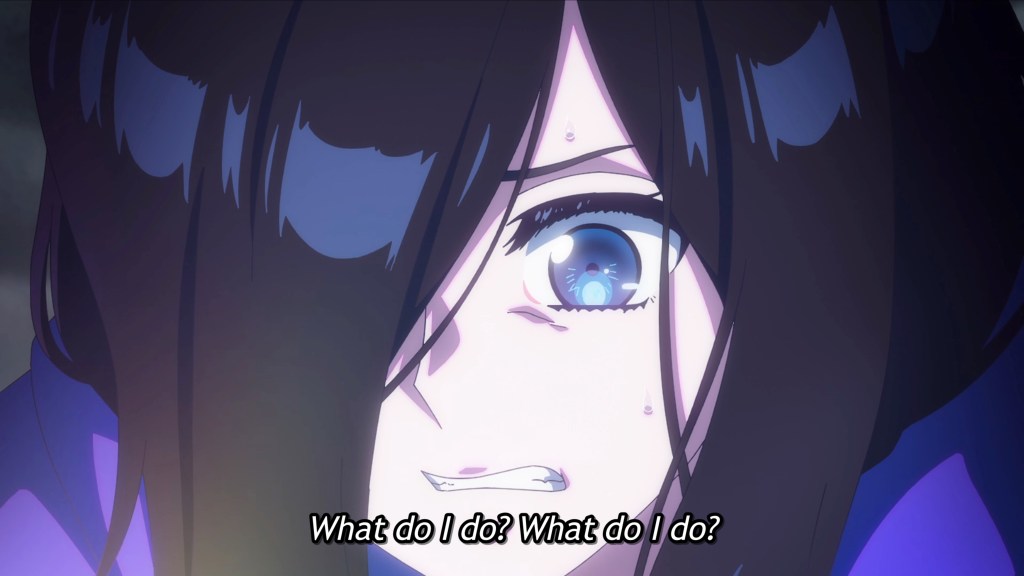
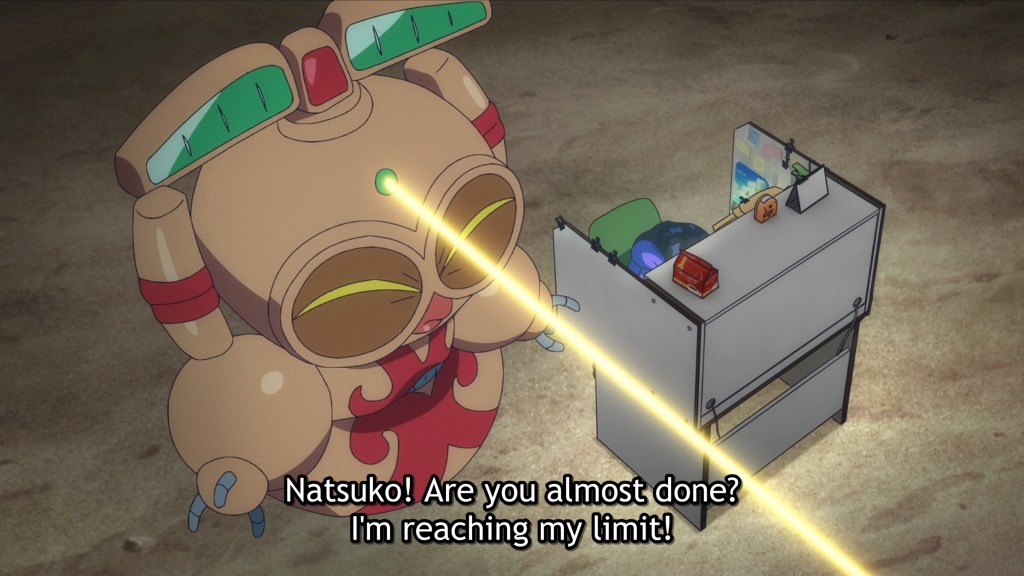
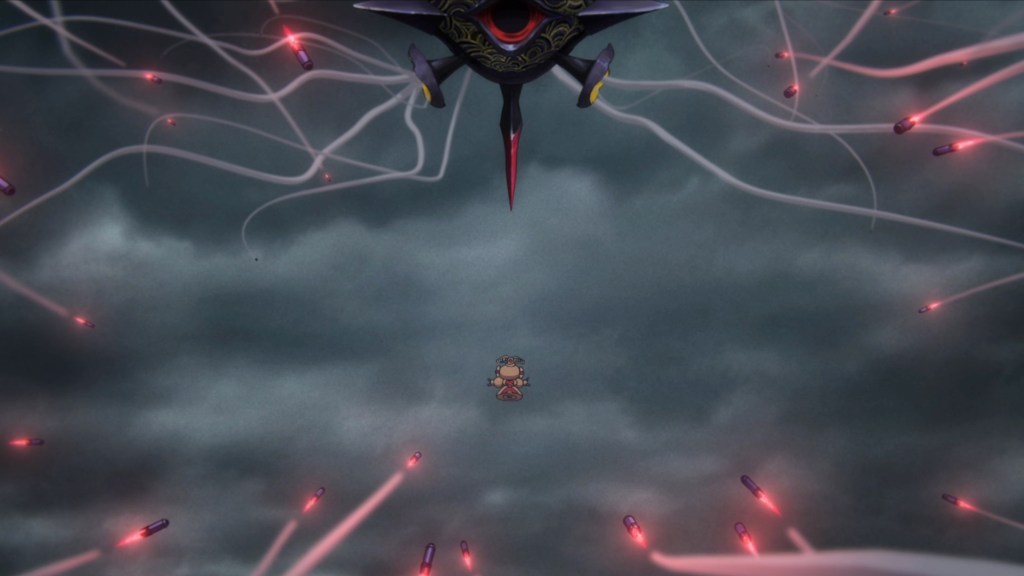
When a new Void attacks, the group splits up under Luke’s direction, but this powerful Void, which creates its own soldiers that are reminiscent of the ones Natsuko had previously drawn, is devastating the town and bringing the Nine to their limit. Natsuko is at a loss, unable to draw anything more than scribbles, unable to think of something that can fight back against this copycat Void, and worried that her drawings will only be copied to create more problems for the team. But QJ, witnessing the desperate situation—Luke losing his battles, Unio ready to self-destruct, and Natuko’s desk destroyed—takes the lead himself, flying into the main body of the Void as he’s hit by missiles along the way that begin to destroy his body. QJ’s charge into the Void destroys it—and him along with it.
Quick Takes
claire: What a surprising episode, right? It almost has a split personality, at first being focused on Luke’s love story, then switching gears to focus on QJ. Yet, it makes perfect sense, since the episode is called “Hero,” which is Luke’s title, but it also defines what QJ becomes by the final scene. Meanwhile, QJ’s motivation is to do what he can to enable Natsuko to secure a happy ending for the Hero, Luke. So it’s all connected.
Twwk: It is surprising. QJ showed some unexpected spunk in fighting the Void that required Natsuko to rely on her teammates, but that didn’t prepare me for an episode that would focus on him and show the kind of love a true hero displays.
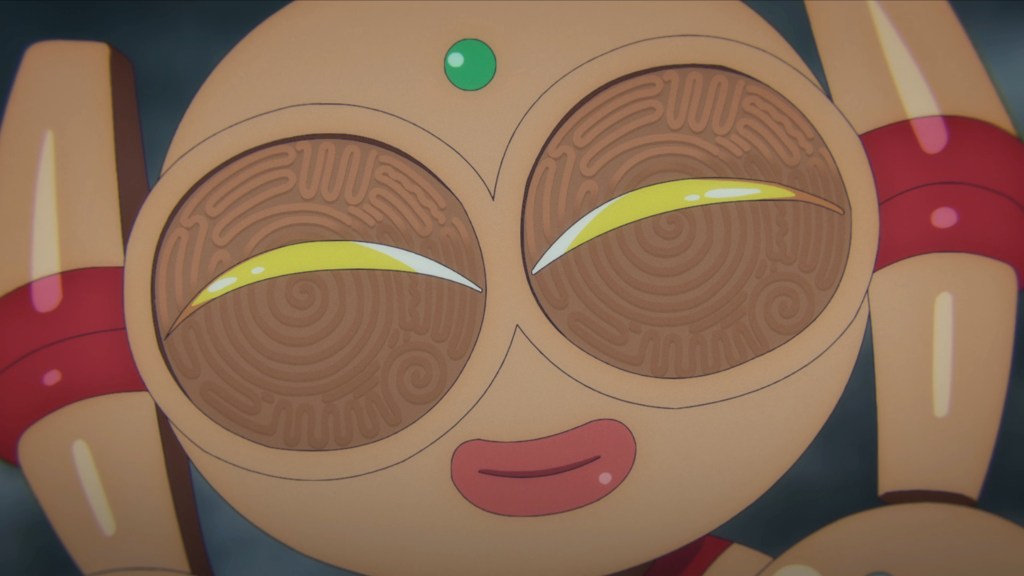
QJ’s Transformation
claire: Let’s start with the point in your post about change and growth, and how good leaders must trust and include their team in order for team members to have the chance to develop. Now, last week, you showed how the team as a whole grew once Natsuko started actually working with them rather than soloing the battles. Together, they did the impossible and defeated the foe Natsuko couldn’t handle on her own. But in this episode, it was a single team member who stole the spotlight: QJ.
QJ never saw any growth in the original A Tale of Perishing, where he just dithers about uselessly and is the sole survivor seemingly by default. He’s always been a part of the Nine Soldiers, true, but he never really goes out of his way to protect them or take action against the enemy. He lets the others do the work while he panics or talks about the weather, invariably changing the subject with a lame joke when things become too serious.
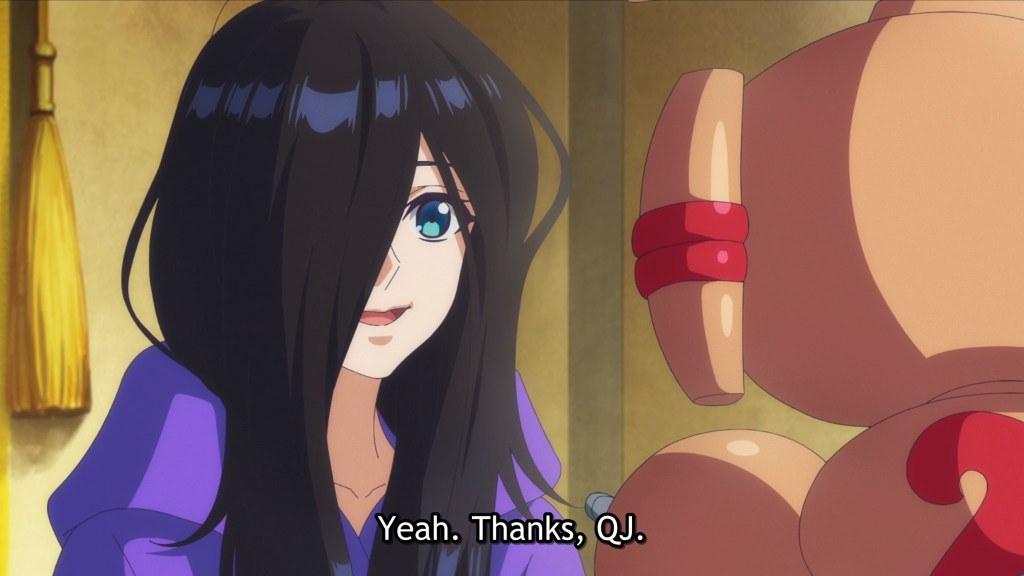
But when Natsuko confides in him, revealing the dire nature of the stakes before them, something changes in him, and for the first time, we see him taking decisive action for the sake of his friends, the town, and likely Luke in particular, whose demise he too, alongside Natsuko, seeks to avert. It’s like he discovers he has the authority to choose not just what he will do, but who he will become.
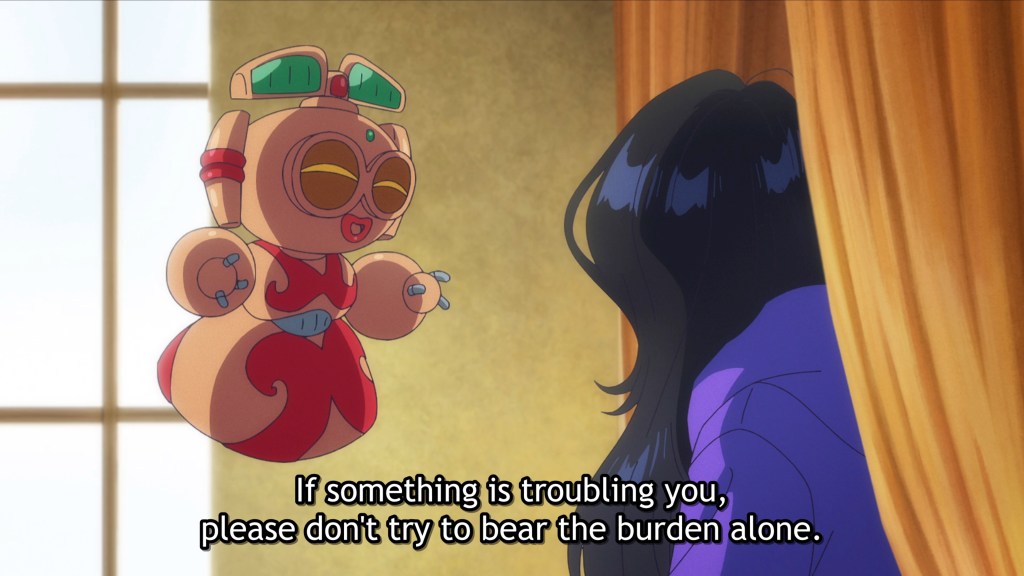
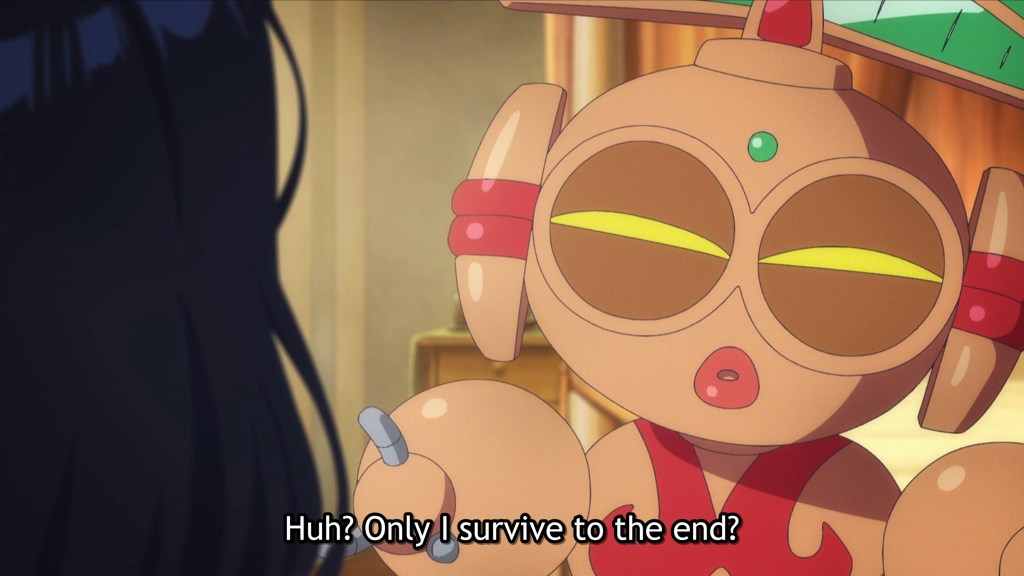
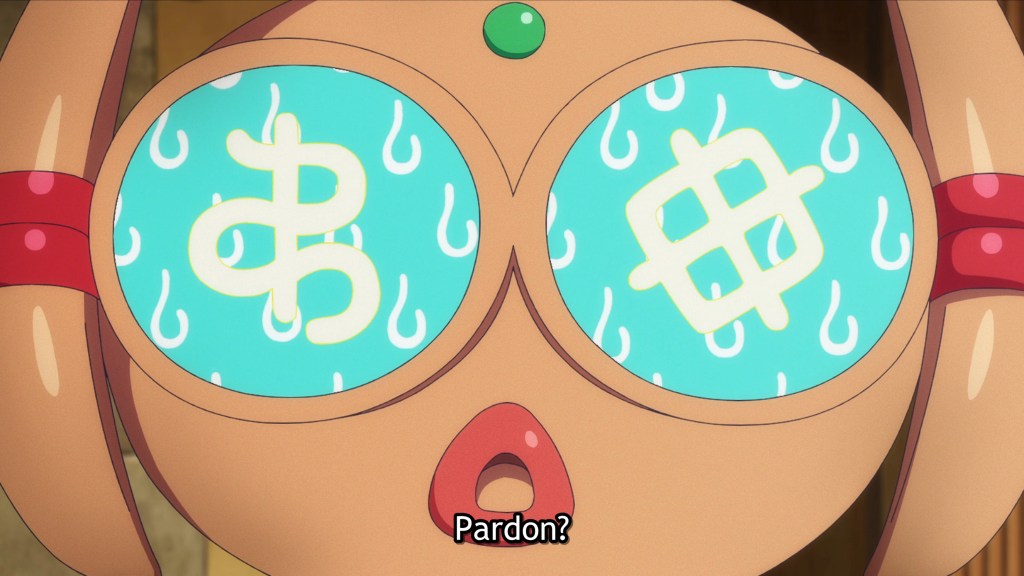
Twwk: It’s an unexpected change. Like you said, he doesn’t seem to do a whole lot—at least not much more than a piece of technology might be able to do in our universe. In fact, I would have described him more as a robot than a living creature prior to episode eight. He’s the picture of a comic relief trope, like the cowardly robot (see C-3P0) or inept floating creature (see Orko). Even that comic relief side feels “programmed.” He seems incapable of caring for his comrades, much less making decisions that reveal “humanity.”
But in episode nine, he does just that. And what’s captivating to me is that it isn’t by revealing a secret, super-android power or by leveling up; it’s by showing that he really has heart. QJ makes the decision to put himself in harm’s way when he’s hidden in the background all the previous times. He decides to keep going, even when he’s being broken apart and it seems inevitable that he will die. He makes a decision borne out of love.
And it all begins with Natsuko. I barely mentioned QJ in my previous post, with the remaining heroes (including Justice, who rejoined them) really being the ones who are able to slay the Void using Natsuko’s new leadership style. It’s that very style that allows Natsuko to be vulnerable and share her worries with QJ, to offer an intimacy between the two that hadn’t previously existed, and to even allow him to take on the role of consoler. Because she is now willing to share the work, she also shares her burdens, and QJ’s eyes are somehow finally opened to the pain that Luke has carried and will carry if Kametaro’s prophecy comes true.
claire: Exactly! It’s like the veil drops from his eyes and he gains a sense of eternity, of the fact that it really is life and death they are dealing with, and specifically, the lives and deaths of those he cares about.
Twwk: The Nine Soldiers are nice to him, but I wonder if they ever treated him like a dynamic, feeling, living being. Natsuko certainly does when she shares the secret of the original film. It’s almost as if QJ now comes alive himself—and comprehends the value of his friends’ lives.
Something the Enemy Can’t Copy
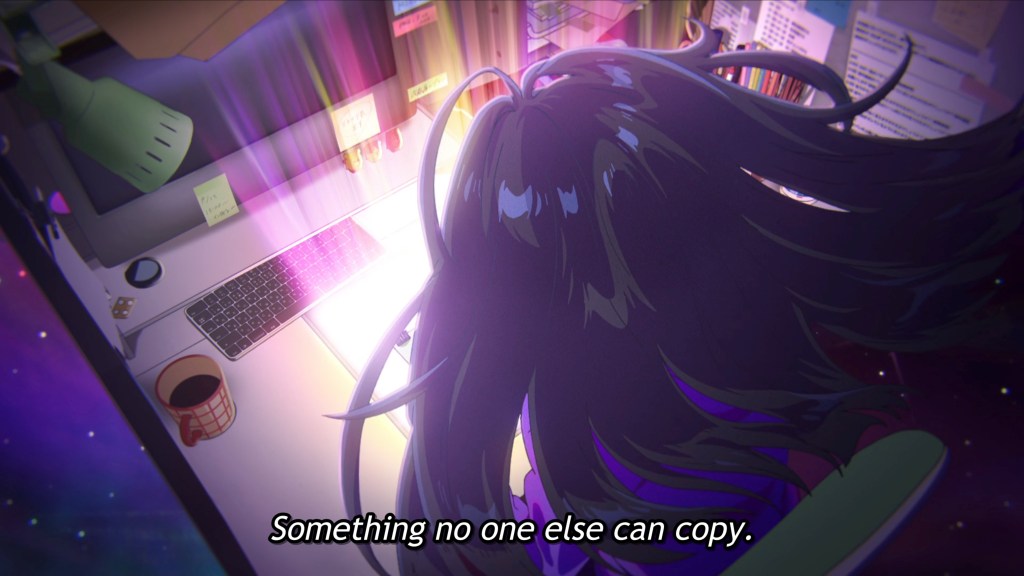
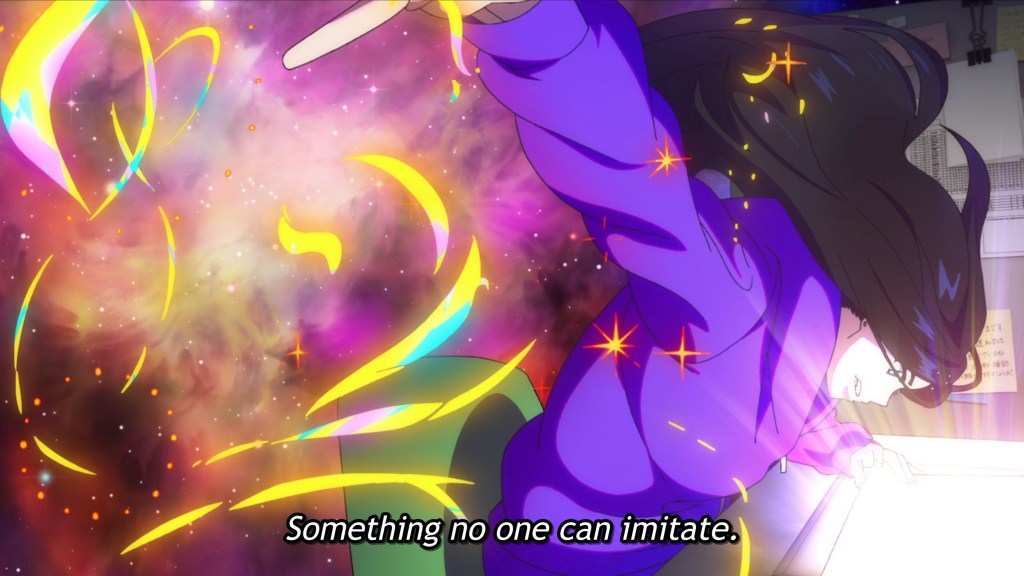
claire: Throughout the episode, the enemy has been duplicating Natsuko’s work, counterfeiting it for use against the Nine and the town. And here’s the thing: This is exactly what our enemy does too. Satan rules a counterfeit kingdom; lacking the power to create, he can only duplicate and corrupt. But QJ does something that the enemy—the Voids and Satan alike—cannot copy: he lays down his life. It’s a powerful paradox and an incredibly clever way to defeat a foe that is fundamentally uncreative.
In both cases, the enemy could not conceive of such an act of selflessness. For the copycat Voids, to do so would mean self-destruction, a kingdom divided against itself. Meanwhile, Satan thought he’d won at the cross because he had no grid for self-sacrifice.
Twwk: What’s so compelling to me is that QJ is always giving the odds so he must have known that in this case, while his actions were likely to give the Nine victory, they would also almost certainly lead to his death. And that is “incomputable” for the Voids; as you said Claire, this copycat Void cannot do the same as it would then be standing against itself. This was the only way; love was the only way. Perhaps Satan, the great lover of himself, couldn’t imagine that Jesus would choose the unjust and tortuous path before him over his own needs and desires. But of course Jesus did. And QJ emulates the same love, the greatest love—”that someone lay down his life for his friends.”

QJ Surpasses Natsuko
claire: Another aspect to good leadership—or we might say, discipleship—is the issue of legacy: as leaders, we mentor and equip others not simply so that they might reach our own level, but beyond that, so they surpass us and do what we cannot. And in this latest battle, QJ surpasses Natsuko, his leader.
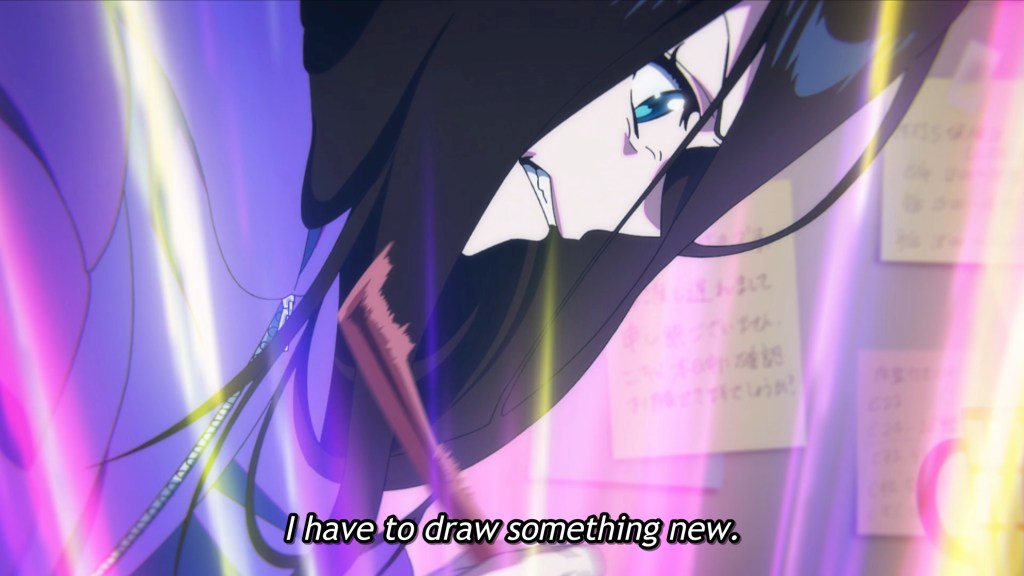
As soon as Natsuko recognizes her own work in the Voids who are attacking, she knows that she must come up with something new and that it must be something that no one can copy. But as she draws feverishly, her blurring pencil produces nothing but scribbles. Natsuko is at a loss of what to do. But when her animator’s desk is destroyed, QJ rises to the occasion. He does something Natsuko can’t do, or more specifically, he does something she could never draw. By sacrificing himself, QJ saves them all in a way Natsuko could never have conceived, let alone brought about with her trusty pegbar and Uni-star pencil.
Twwk: I really love this idea that QJ was able to do what Natsuko wasn’t. Although she’s learned to rely on her team and trust in Luke’s plan, she’s unable to do her part and be the good teammate she now wants to be. In the crisis, she looks within herself for the power she needs to win, but she cannot find it. QJ, however, seems to know what to do. And I wonder if that’s because—as flashbacks earlier in the episode showed—the four among the Nine Soldiers who had previously died all did so heroically, trying to save others, including their friends. They gave their lives to help villagers who did nothing for them and presumably grumbled against them when they failed—the very picture of grace. QJ has recorded this in his memory and knows what to do.
I get the sense that QJ has been training this whole time. As I mentioned previously, as an android-like being, he’s likely recording and comprehending all that’s happening around him. He’s learning. And while Natsuko’s “discipleship” wasn’t active, she was still teaching QJ, much like how parents model how to live to their children. But while humans must practice and fail and get up time and time again to become great at something, QJ probably just needed to analyze and process. Having seen Natsuko’s change and experiencing her friendship, he was now ready to step up and lead as well.
claire: That’s a really good point: unlike the Voids, we aren’t copycats—as we grow and develop, and ultimately step up into leadership in some area of life, we become the leader that God has made us with the potential to be, not just a mini-me of the leaders in our lives. We bring our own God-given strengths, talents, and tendencies to the table. What a glorious banquet!
twwk: As an “anime ministry,” that point is central to our message here. Who woulda thunk that God would use anime to reach people, or that anime could help you draw closer to God? But scripture is clear about the value of our individuality—he uses our gifts, talents, interests, and experiences to point others to him and to help us grow in faith. We aren’t copycats—we are unique individuals valued by God.
Final Thought: The Meaning of QJ’s Sacrifice
claire: We won’t know the full impact of QJ’s sacrifice until the end of the series. But there’s something unique about the change in the plot that QJ has initiated. Up until now, Natsuko has concentrated on saving lives, which is an honorable thing to do, but it is also indeterminate, in the sense that those whom she saves could simply die at a later point in the story. (And indeed, Unio begins to cast his self-destruct spell again during this battle, recreating the scenario that saw his demise in the OG film.) So far, she has not been able to change the plot beyond the point where it could easily revert to its set ending, as the Bird of Gloom keeps reminding her (and us).
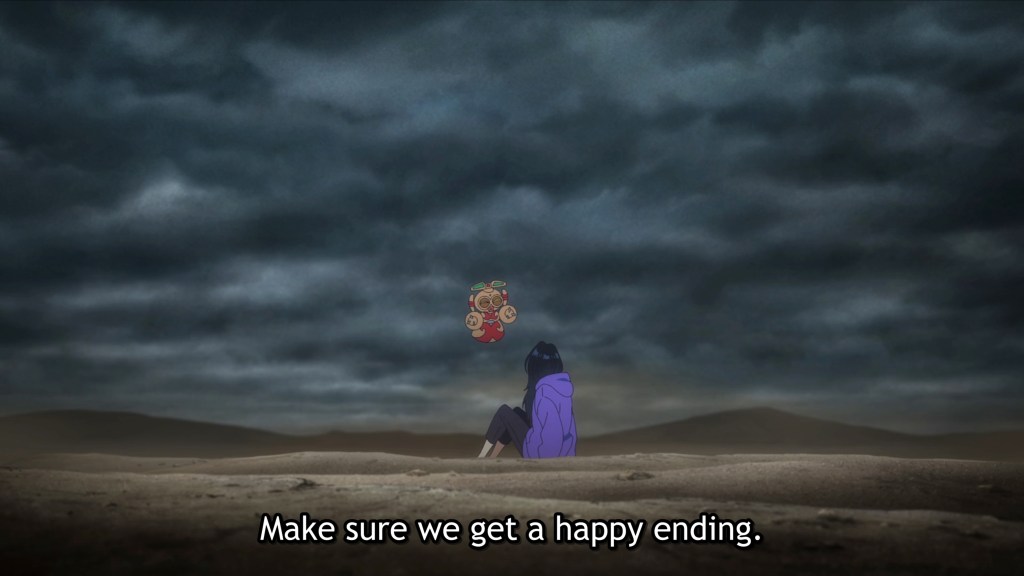
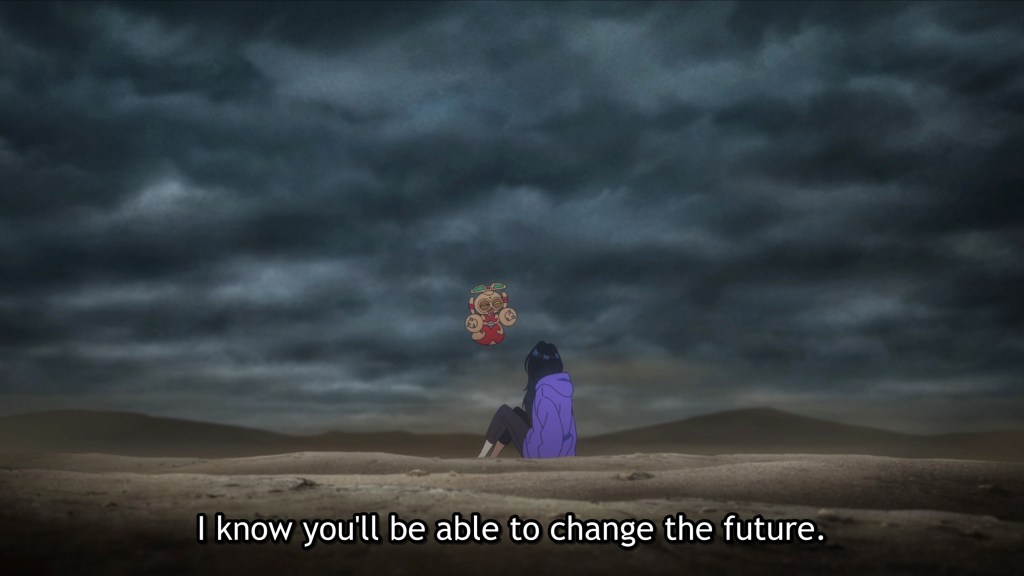
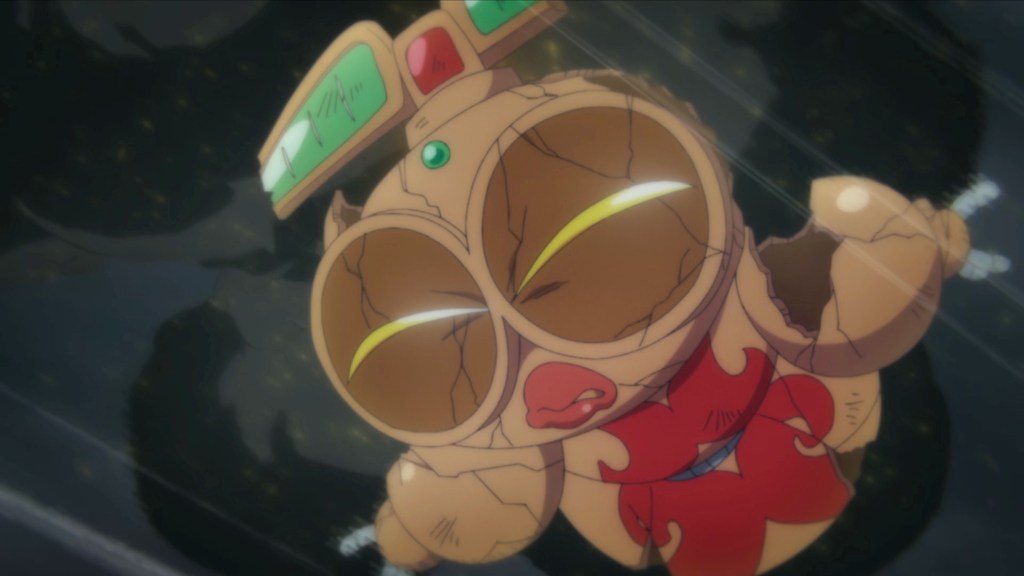
But QJ’s act of self-sacrifice is decisive: in dying when he originally survived, QJ is writing a new story by laying down his life. Interestingly, he twice tells Natsuko that she can or must change the ending, but it is actually his sacrifice that changes things here. The story QJ makes possible is rooted in the original tale, but it also does much that is new—much like the relationship between the Old and New Testaments and the new story that was gifted to our world through the sacrificial death (and resurrection!) of Jesus. Will QJ’s sacrifice be enough to change the terrible fate of the isekai? We’ll have to wait and see…
And, dear readers, you can bet we will! Looking forward to the final few episodes of Zenshu as it (no doubt) tackles the question of destiny, free will, and the power of love. Stay tuned!


- Film Review: All You Need Is Kill - 01.15.2026
- First Impression: Kaya-chan isn’t Scary - 01.11.2026
- First Impression: Dead Account - 01.10.2026