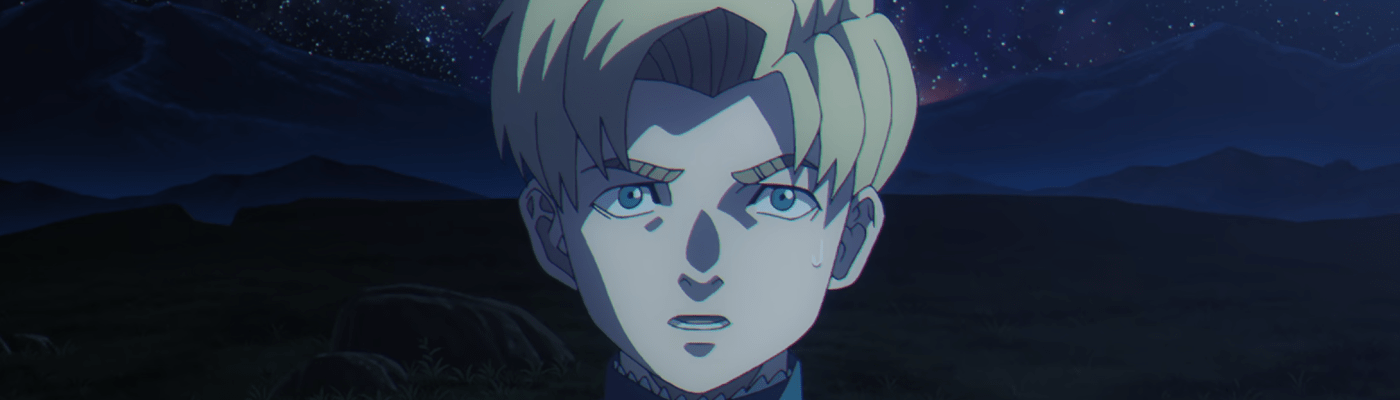
Rafal is a child prodigy in the 15th century in a country named P, at a time when people thought differently about many things. Back then, theology was considered the most important field of study. Naturally, this is the field that Rafal will dedicate his life to, not because he considers it noble but simply because he sees it as the easiest way to move up in the world. His teacher highly approves of his choice, and after that his future seems to be set in stone. But all this gets shaken up when he meets a recanted heretic called Hubert. This mysterious man doesn’t wait long before bluntly stating that he hasn’t recanted at all. He intends to make Rafal his apprentice in his study of heliocentrism. Despite the bloody persecution of those who hold those beliefs, Hubert feels drawn to the beautiful truth of this view. He emphasizes its beauty first and foremost and convinces Rafal to see things the same way. Beauty might touch our souls, but it does little to protect us from torture and burning at the stake. To remedy this issue, Rafal knows a little trick that’ll help increase his odds of survival: you can lie about what you believe. This might work out for now, but will it keep him safe as he dives further into Hubert’s heretical theory?
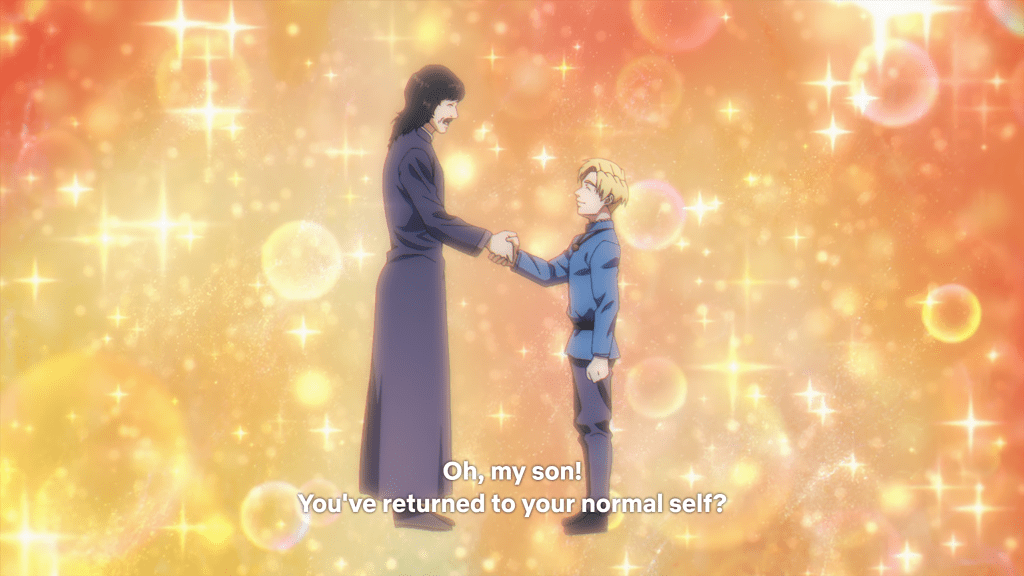
Going into this one, I knew the main characters were voiced by well-known VAs in the industry, such as Maaya Sakamoto. As expected, the voice acting is high quality, and the art and animation are also solid. Personally, though, I had some issues with the storytelling. One thing I didn’t anticipate, which I can’t say I liked, is that torture and persecution were a significant focus of the two episodes that premiered today. One of the first things we see is the aftermath of the use of a torture device. Generally, I don’t like unnecessary gore, but if it’s an accurate portrayal of the brutal past, then that’s a different story. This is not the case here though, because this device, known as the pear of anguish, has never been mentioned by any contemporary medieval sources and was likely never used. That’s only a minor issue, and I’m not one to demand 100% historical accuracy in anime, but I find that, in some cases, it interferes with the story. We might ask, for example: “why would the inquisitors so cruelly persecute believers in a particular scientific model? Isn’t that a bit silly?” The answer would then be: “That’s just how it was back then.” But in reality, nobody has ever been tortured or executed merely for believing in heliocentrism. However, this doesn’t take away the contempt you would face in the 15th century for advocating heliocentrism. In fact, I was looking forward to seeing how the main character would deal with social pressures and, to a certain level, persecution from the authorities as well. But now that the anime has chosen gore from the start, social pressures will not be much of a factor at all compared to an inquisitor who’s ready to tear off your nails or burn you alive. I realize that my complaints might not be relevant to everyone because historical accuracy is not needed for an anime to be entertaining. I might check out one more episode, but if the focus stays on the bloody gore, and exaggeration instead of subtlety, then this will not be an anime for me.
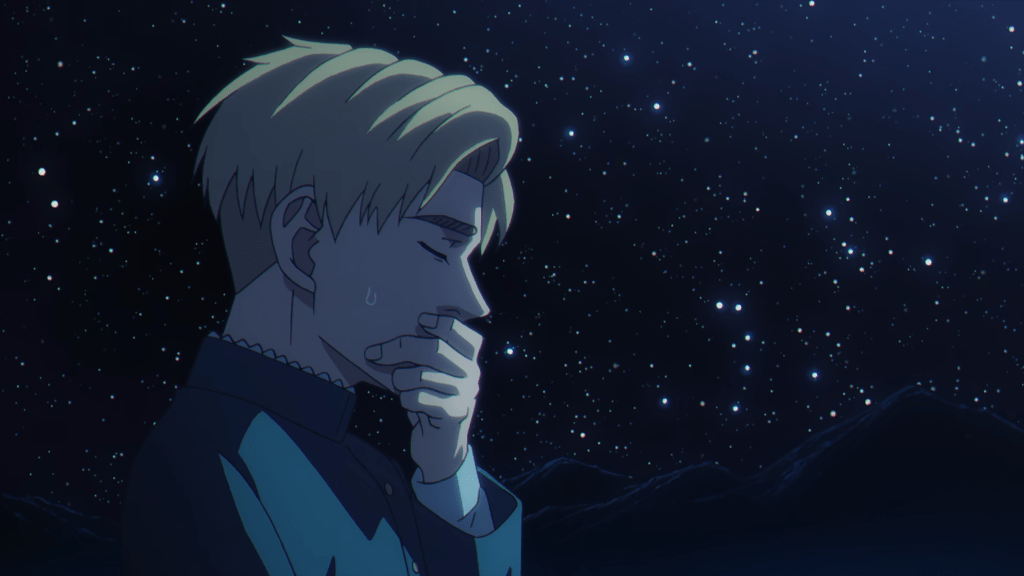
Orb: On the Movements of the Earth is streaming on Netflix.

- First Impression: An Adventurer’s Daily Grind at Age 29 - 01.07.2026
- First Impression: Tune in to the Midnight Heart - 01.06.2026
- First Impression: The Demon King’s Daughter is Too Kind!! - 01.06.2026

[…] Read More […]