
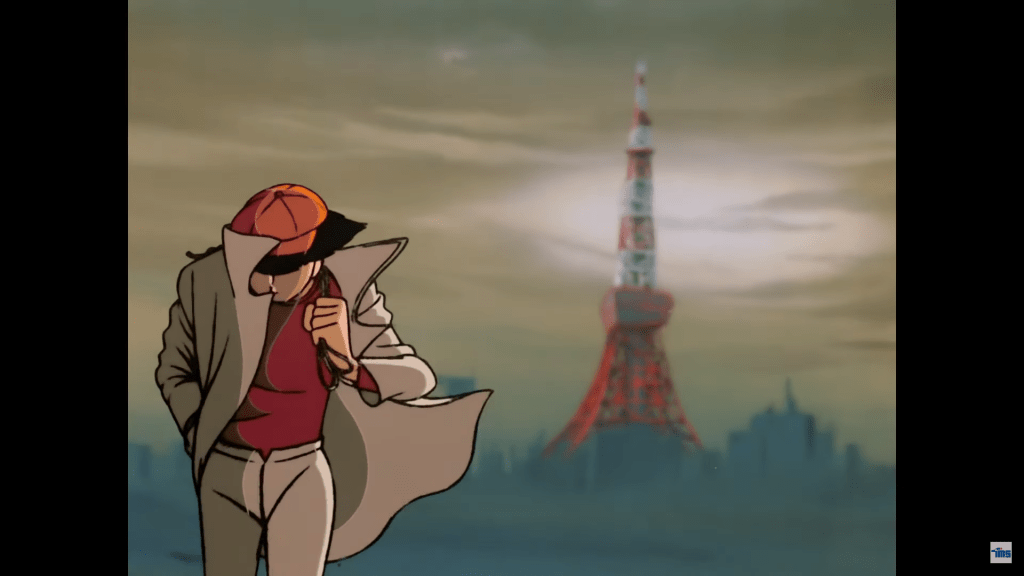
Japan, 1968. The story opens with a young man trudging along a dirt track across a windswept meadow that is otherwise empty except for the scattered heaps of illegally dumped garbage, all while a lonely tune whistles through the overcast sky. Tokyo Tower can be seen illuminated in the distance behind our yet-unnamed main character, but judging by his shabby clothes and the nearly empty drawstring bag slung over his back, he’s far from the bright lights of Ginza or Shinjuku in more ways than one. Soon enough, we see him enter a shantytown at the far outskirts of the city. A rundown collection of bunkhouses, dive bars, and tenements populated by drunks, day laborers, peddlers, and thugs—it’s the sort of place the “Post-War Economic Miracle” has yet to reach and which Tokyo never puts in the tourist brochures. It doesn’t take long for the young man to first be accosted by a gaggle of street urchins, a one-eyed vagrant trying to bum 100 yen even while his breath reeks of booze, and then a pack of low-ranking yakuza. The last encounter results in a short but violent street brawl where a few lightning punches leave the wannabe gangsters all knocked out in the dirt, and the man finally gives his name: Joe. Yabuki Joe. Thus begins the story of boxing’s ultimate underdog…
I can’t tell you how excited I am to finally be getting an official release of Ashita no Joe/Tomorrow’s Joe. This series is a legend, an icon, a cornerstone of modern manga which has been referenced in everything from Dragonball to Gurren Lagann. In Bakuman, main character Mashiro names it as his all-time favorite manga—despite the fact that he works for Shonen Jump and Ashita no Joe ran in arch-rival Kodansha’s Weekly Shonen Magazine. It’s just that revered. It also has never been legally available in English in the more than fifty years since the manga first released in 1968. One compilation movie has been floating around with legal distribution, yes, and we got the highly entertaining Megalo Box spin-off a few years ago, but never the original. Kodansha USA’s decision to give the manga a print release seems to have finally gotten the wheels turning, and TMS Entertainment has begun streaming the anime adaptation for free on its YouTube channel as of today.
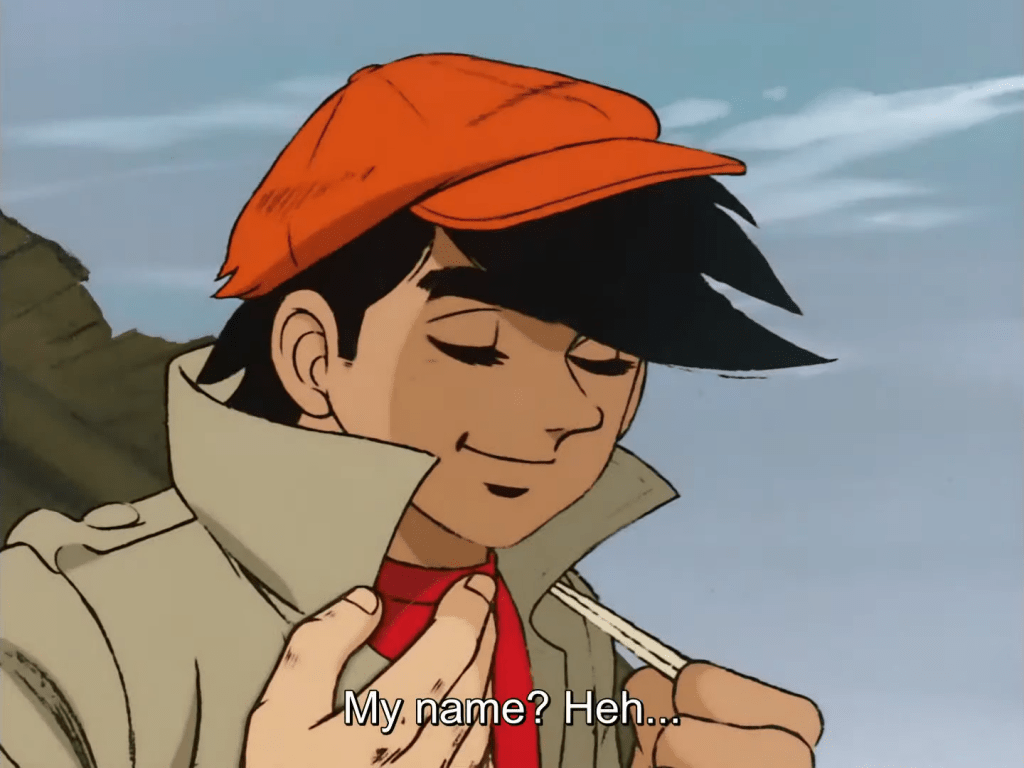
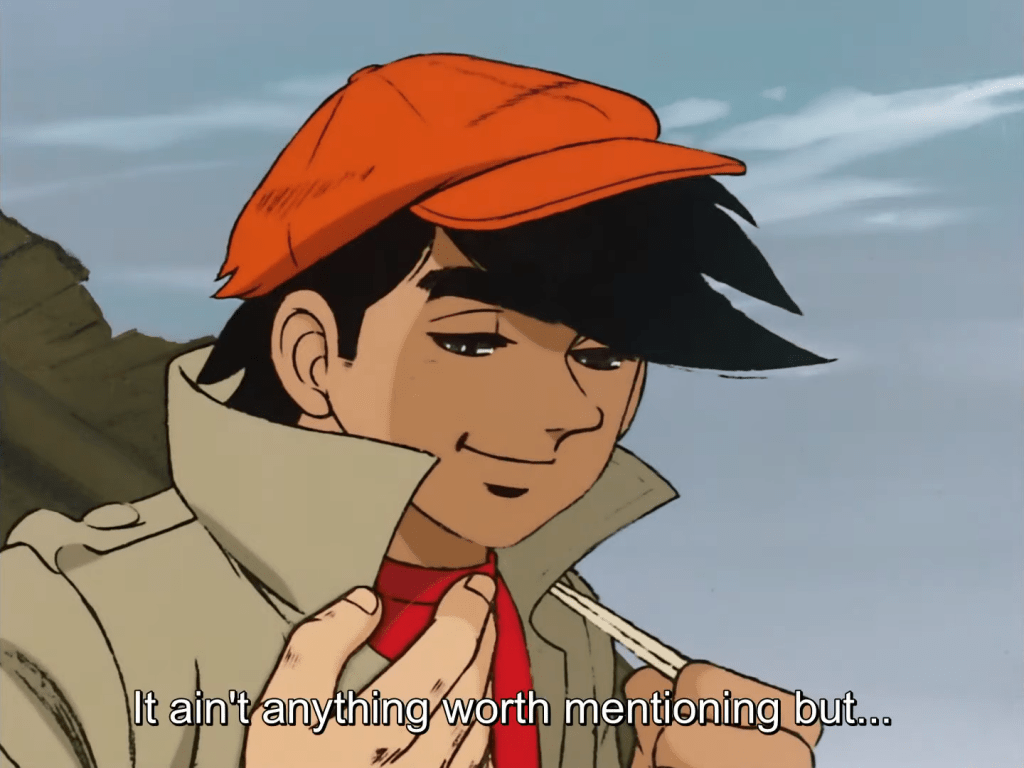

Goku has this man’s poster hanging up in his bedroom
But enough of my gushing about Joe’s historical importance—you probably want at least some details of the series itself. Well, the series is a piece of history in more ways than one. Animating lip movements was clearly considered non-essential in less important scenes, and a lot of old animation tricks are used if you know where to look. But the animation kicks it up at notch when it counts, and the visual aesthetic of the animation is great. It’s also remarkably atmospheric, with dialogue being more rare than you might be used to, while silence and sound effects do a lot of heavy lifting to sell the vibe. The 1080p remaster certainly doesn’t hurt anything either (just look at the non-remastered original footage in the ED for comparison). And as for Joe, he’s far from a typical shonen manga hero. A cocky young punk spoiling for a fight, if he’s speaking to someone, he’s mouthing off, trying to con them, or both. Yet somehow he’s still strangely likable. All this to say, Tomorrow’s Joe is a legendary anime, and if the first episode is any indicator, it deserves that reputation. It’s also legally available for free, so what are you waiting for?
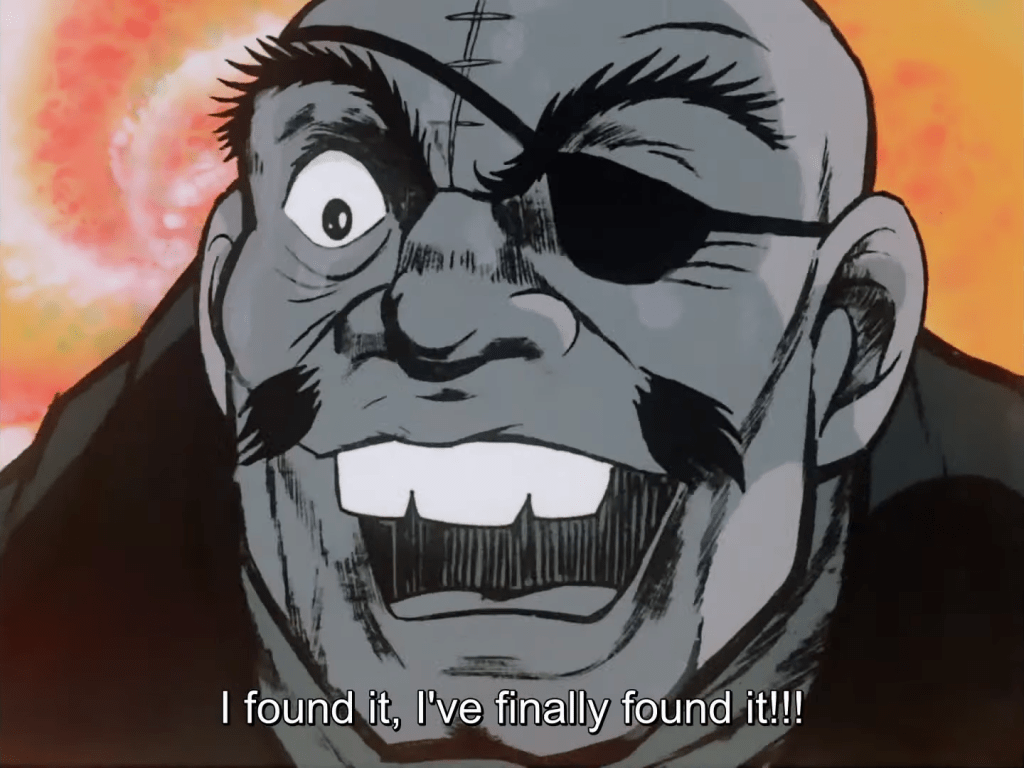
My reaction after discovering I’d finally get to watch this series after years of hearing it being discussed in reverent tones by word of mouth.
Tomorrow’s Joe/Ashita no Joe is streaming for free on YouTube.


This is a spectacular anime. I am glad that one can watch it in such high quality. Anyone who loves anime should give Ashita no Joe a seven episode try–seven because it might take a little while to get accustomed to the dated animation. It would be a shame to miss out on such a great story for reasons of aesthetics!