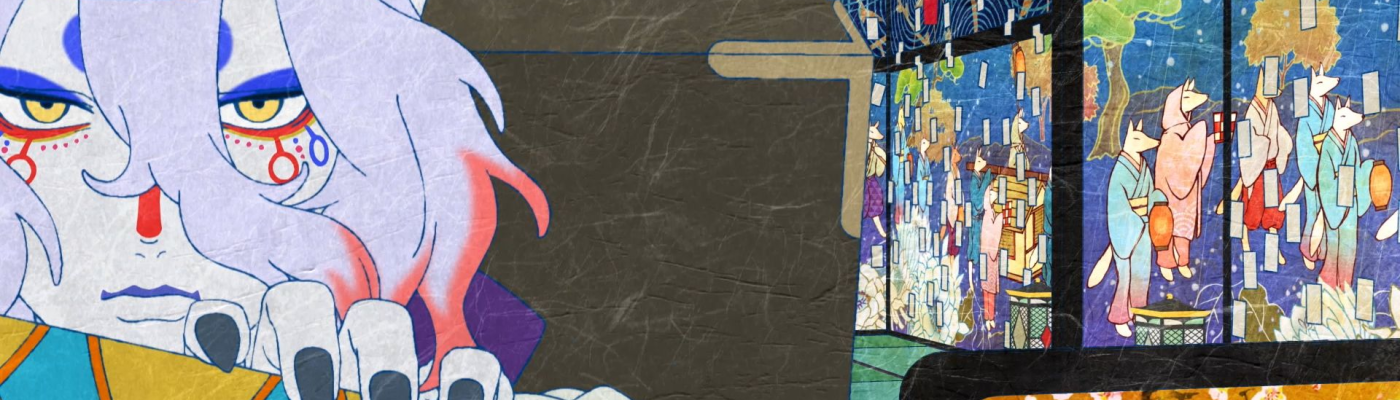
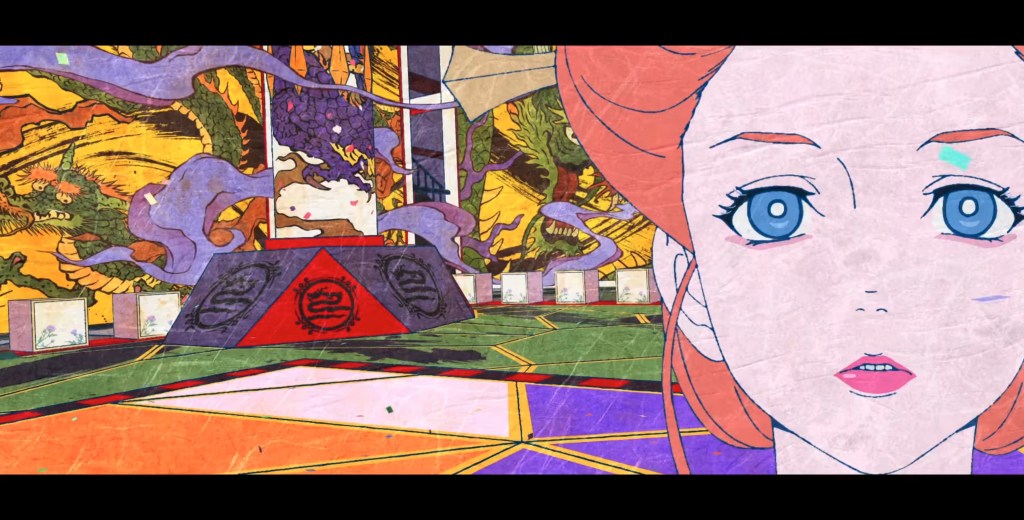
In an era of pointless sequels, Mononoke The Movie: Ashes of Rage bucks the trend—with a flourish! The animation is immersive, dazzling the senses as it balances a psychedelic color palette with a parchment paper aesthetic that makes for a unique fusion of modern and feudal—a combination that is echoed in the soundtrack, with its blend of traditional instruments and sick drops. Ashes of Rage is all style, but it has substance, too, going deeper into the Ooku and the lives of the women of Edo Castle than the first film allowed.

The story opens a month after the events of Phantom in the Rain, with Lady Botan now promoted to the highest position in the Inner Chambers, managing the Ooku in the role that she was trained for practically from birth. Although she sets about reestablishing order following the turmoil of her corrupt predecessor’s murder, in the meantime, a rogue element has risen through the ranks of concubines by means other than those dictated by tradition. The alluring Lady Fuki, a rural nobody without education or standing, has captured the Emperor’s attention, so much so that he is ignoring the fundamental rule of the Ooku, namely, that he spend each night with a different partner to maximize the chances of producing an heir. Fuki wears the Emperor’s favor like a royal robe, scoffing at tradition and the women who seek to enforce it, particularly Botan. When rumors of her pregnancy ripple through the Ooku, the sparks of jealousy and resentment threaten to attract an evil conflagration that will set the women’s world ablaze, raging until nothing but ashes remain. Yet who should return to the palace, just in time to prevent so demonic a disaster? None other than the Medicine Seller, with his keen deductive skills and even keener demon-slaying blade by his side.
The Medicine Seller’s reception upon his return to the Inner Chambers sets up a completely different plot arc for the sequel in comparison to the first installment: Whereas previously, the story centered on establishing the enigmatic Medicine Seller as a trustworthy authority on matters of mystery and spiritual warfare, the sequel sees him welcomed from the outset, as Botan grants him full access to the Ooku, including its secrets and resources. This creates space for the story to explore new avenues, namely, the history of the Ooku and the backstories of its two leading figures, Botan and Fuki. The result is a subtle shift in genre, from crime procedural to more character-driven thriller—a fruitful development.

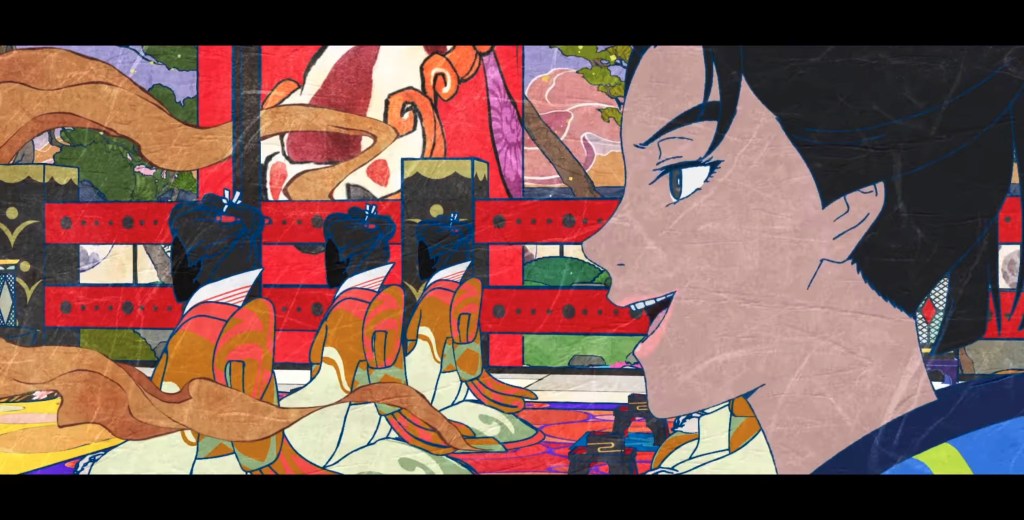

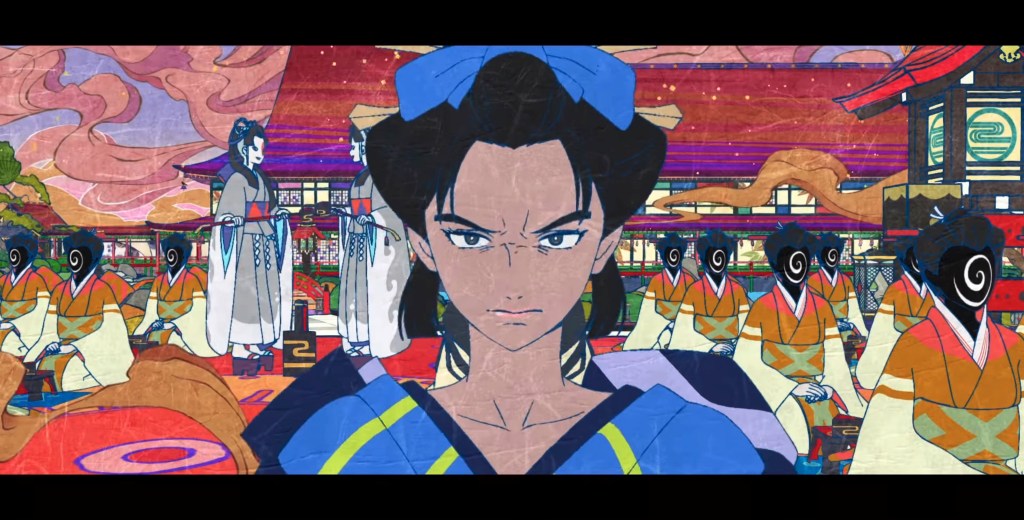
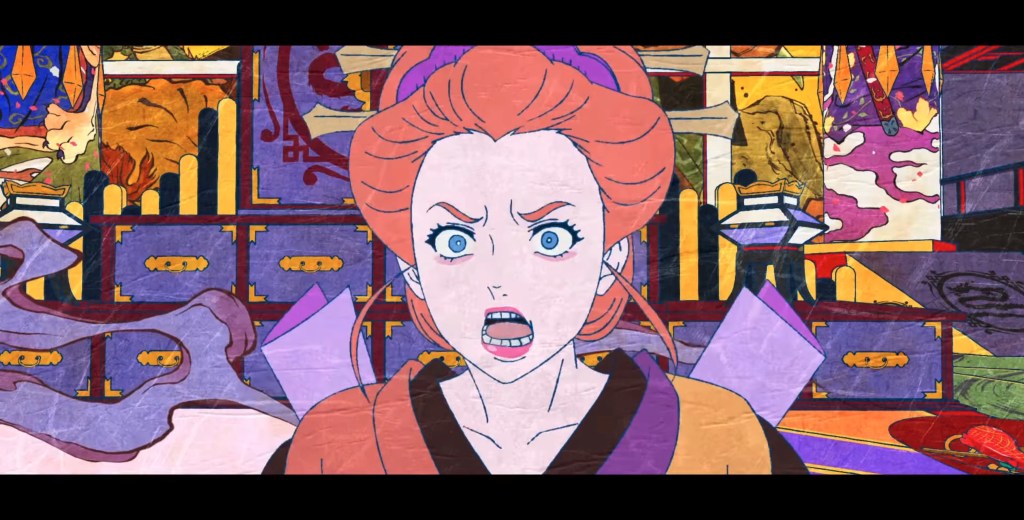


Botan and Fuki are established as utter opposites. From social origin and political position (Botan is the daughter of the chief councillor to the Emperor), to temperament and even their approaches to securing their positions in the Inner Chambers, the two could not be more different. While Botan wields her sharp intelligence with the calm of a military tactician, Fuki pairs her exotic appeal with the fierceness of a masterless ronin. They are ice and fire; Madonna and mistress; two mutually exclusive visions of womanhood. But only at first glance. Beneath the surface opposition lies a fundamental affinity in terms of their core values and motives, and as a result, their character arcs parallel one another in surprising ways. To say more would be to reveal too much of the mystery set before the Medicine Seller, but suffice it to say, it makes for a compelling tale, and one that is rewarding enough to stand alone.
Yet, while the story is satisfyingly self-contained, eschewing the aggravating cliff-hanger that is so common with sequels these days, Ashes of Rage nevertheless builds a sense of anticipation for the final installment in the trilogy. In both its themes and symbolism, the sequel hints at a larger pattern at work here, the scope of which will likely inspire viewers to reconsider the first two films once it is revealed. These films are deeply layered and patterned, both literally, with their extravagant backgrounds and costumes, and figuratively, as the designs and symbols that dance across every surface provide salient visual metaphors for the themes of each film. Whereas the metaphors center on water and purification in the first installment, Ashes of Rage is all flames and passion—not merely carnal, although that plays a role, but the passion needed to pursue one’s convictions, no matter the sacrifice this may entail. What will come next, air or earth? And what facet of feudal honor culture will the element be paired with? Whatever it may be, the success of this sequel in style and substance alike bodes well for the finale next Spring.

Mononoke The Movie: Ashes of Rage will stream on Netflix starting 14 August.
Shoutout to the Midnight Screening special at Annecy International Animation Film Festival for making this early review possible!

- Film Review: All You Need Is Kill - 01.15.2026
- First Impression: Kaya-chan isn’t Scary - 01.11.2026
- First Impression: Dead Account - 01.10.2026
