
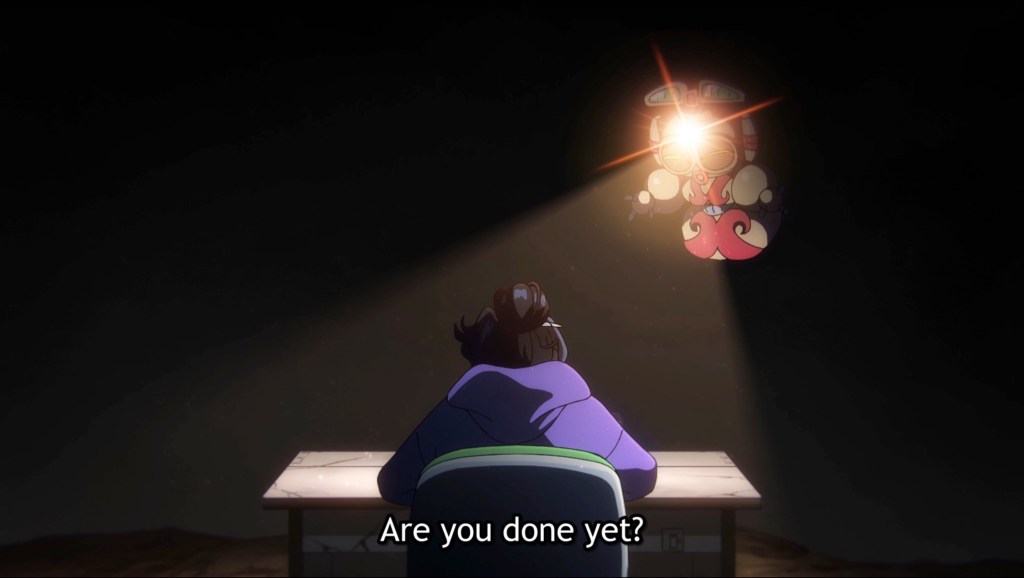
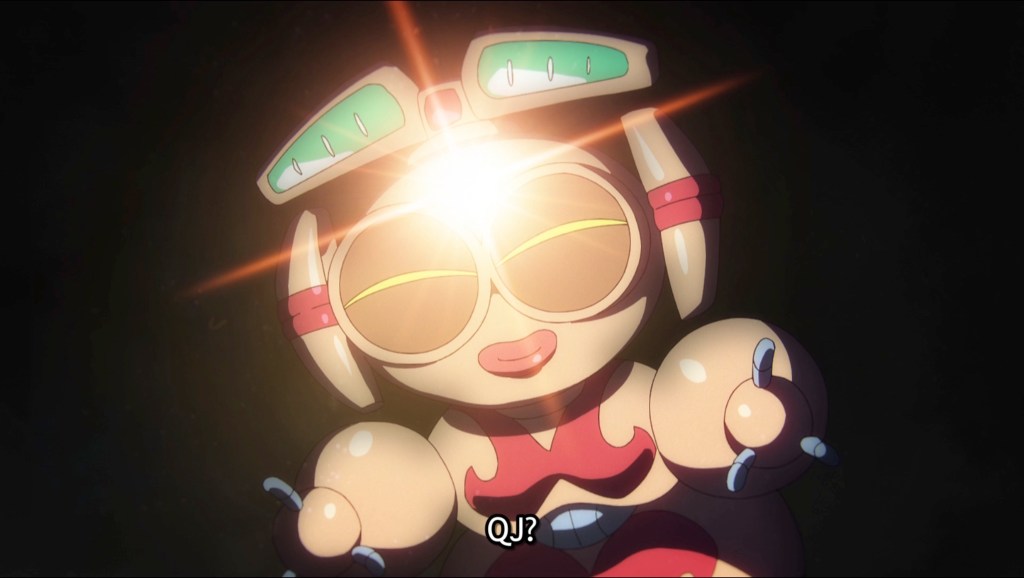
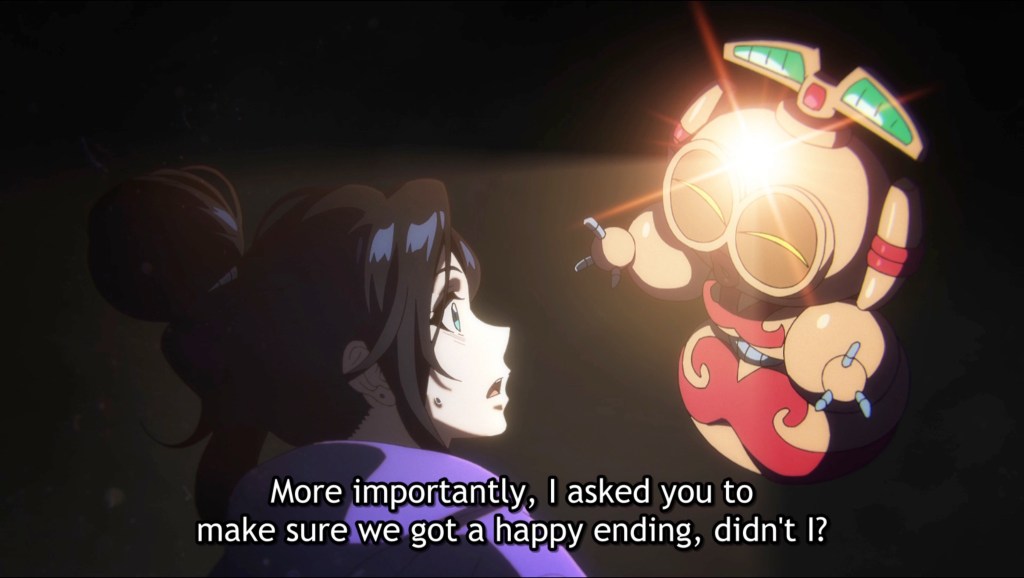
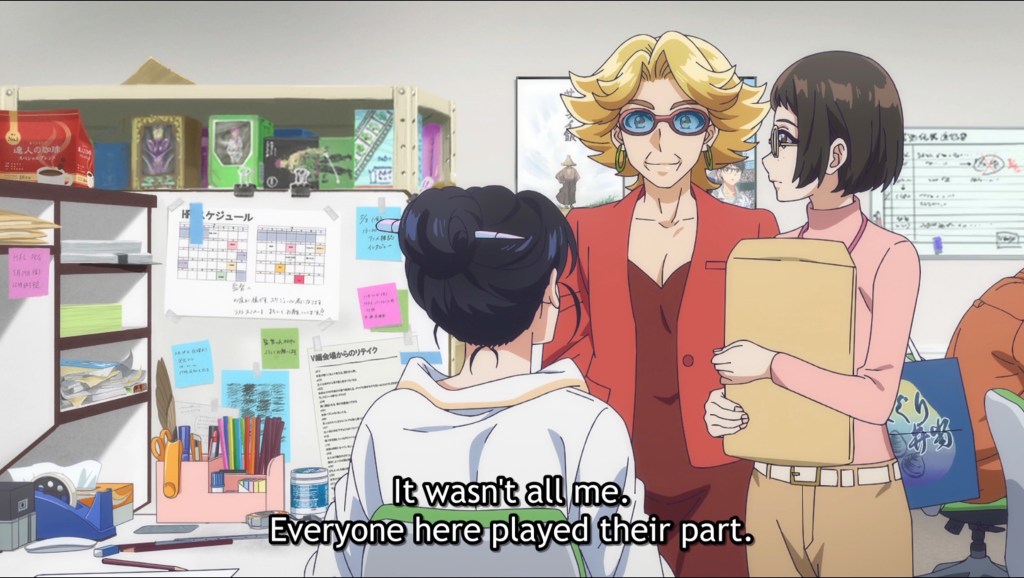
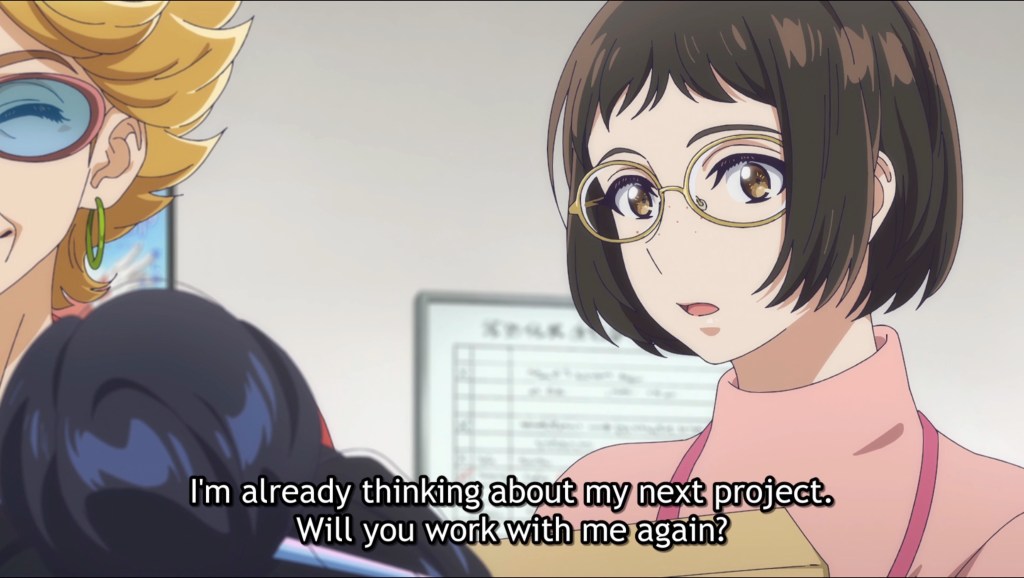
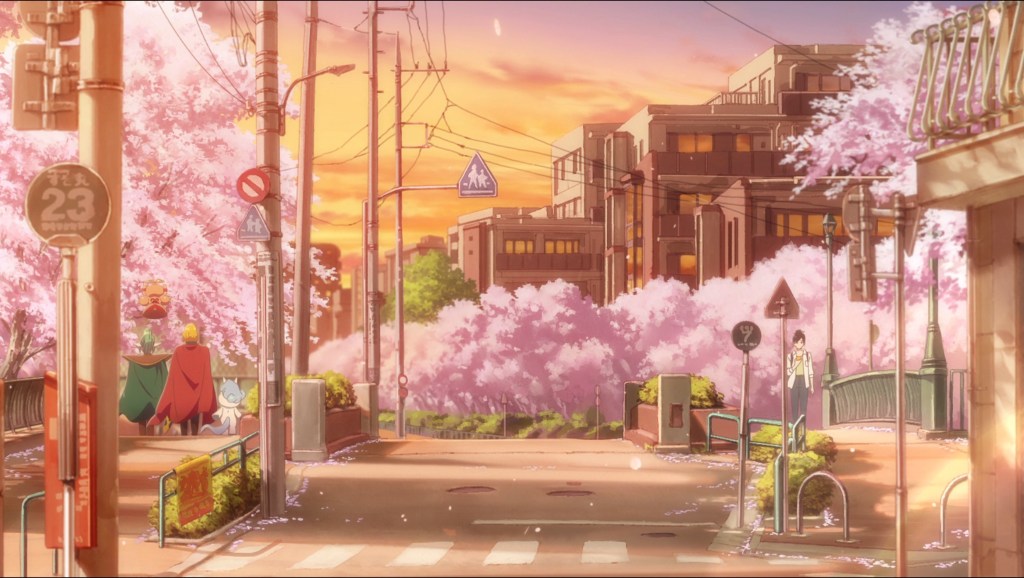
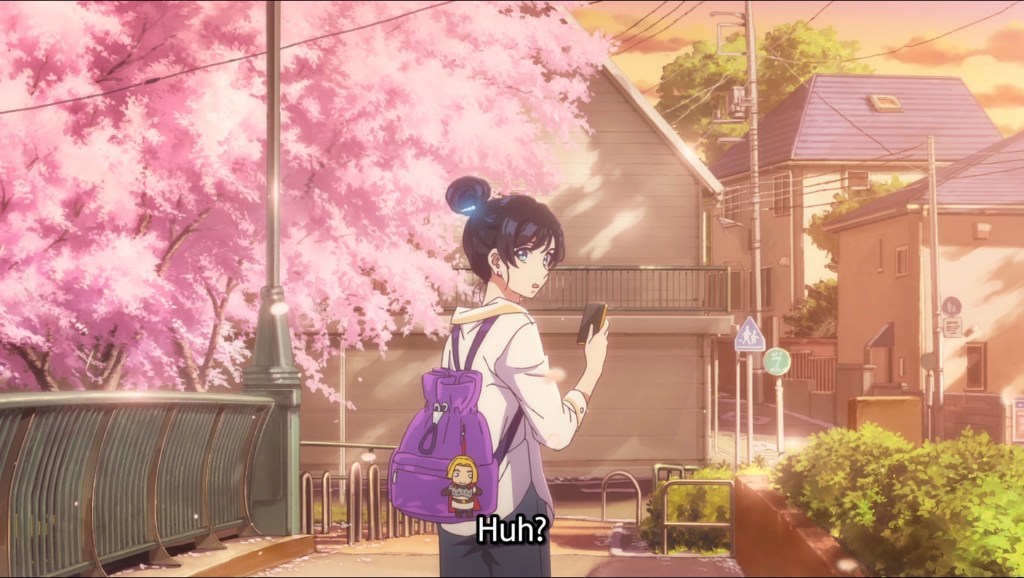
Zenshu has been a favorite around here this season, and the finale did not disappoint! It pulls together all the threads that we wrote about for earlier episodes (spoilers ahead!): there’s Memmeln’s continued faith in the Lord Exister and the hope it gives her to the very end; there’s QJ’s resurrection, completing his Christ-like arc as he returns in time to bring light to Natsuko when she is alone in utter darkness, partnering with her to bring about victory; and most of all, there’s the culmination of Natsuko’s transformation, as we see the kind of leader she’s become in the real world, valuing her coworkers while maintaining her call for excellence, and becoming someone whom others delight to work with. (She also directs another massive hit!) She literally sees the world differently now too, with her hair finally out of her eyes for good, thanks to a rocking fringe. Zenshu delivers a satisfying resolution to each of the themes we so appreciated this season. What more could we ask for?
But there is more! This final episode is also the capstone to a whole other theme that we haven’t yet explored, but which suffuses the entire series: the vital role of creativity and creating in spiritual warfare.
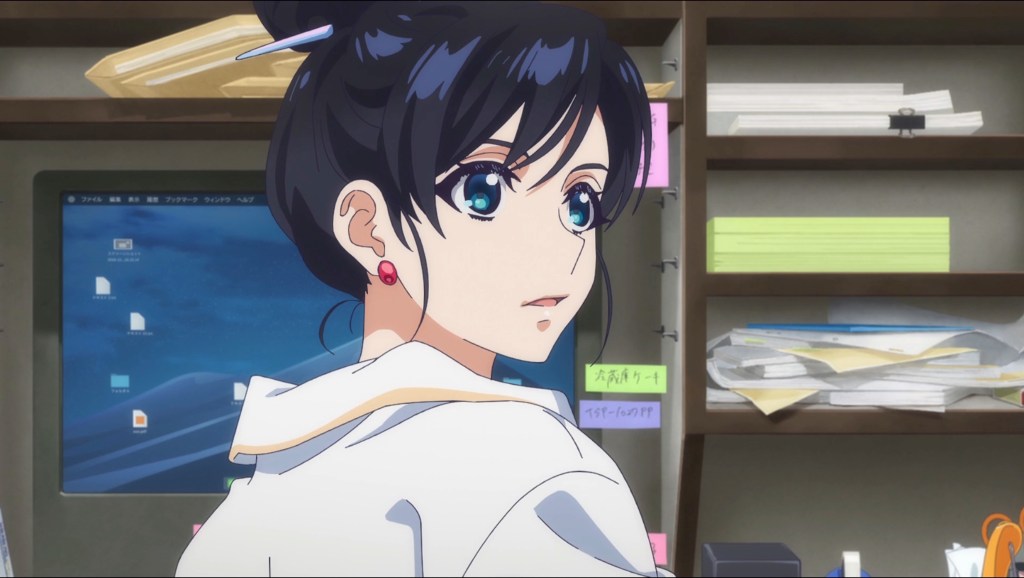

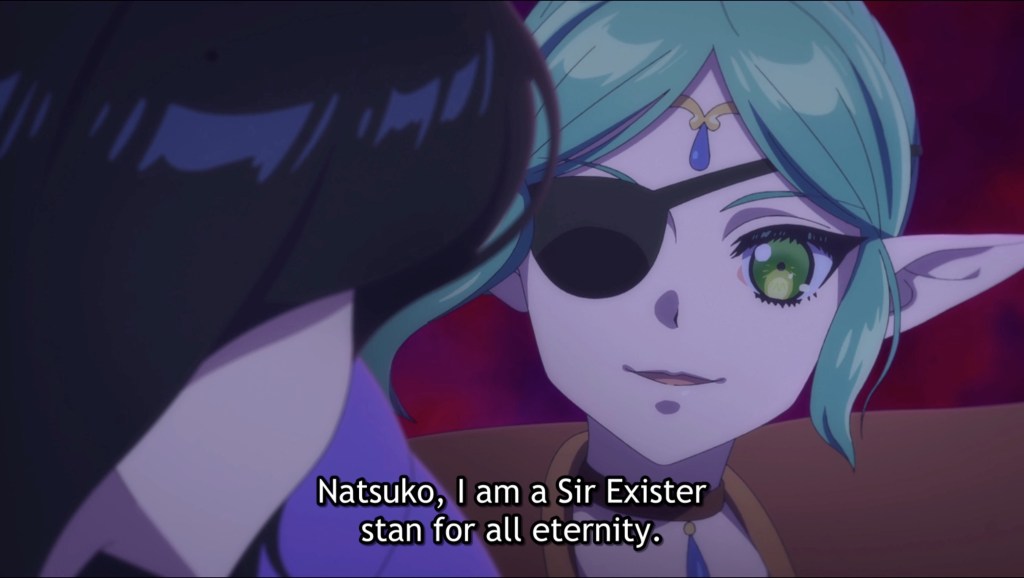


From the first episode, Zenshu has reminded me of the minor prophet Zechariah and one of his early visions. It’s the one about the “horns”—a biblical metaphor for military power—that assail God’s people and scatter Judah, Israel, and Jerusalem. There are four of them, which could be a literal figure, or could be a metaphorical reference to the four corners of the earth, meaning that this military power was set to conquer all of the known world, not just the Hebrew tribes. The vision continues with the Lord showing Zechariah his response to this formidable threat: he sends four craftsmen who will “terrify” the enemy and cast them out with extreme prejudice.
Craftsmen? To counter an unassailable force?! Yep. The Hebrew term is charash, and can also be translated as carpenter, blacksmith, engraver, artificer, maker, artisan—you get the idea. In other words, God’s strategy in the face of the Ultimate Void Enemy is to release people to do arts and crafts! Or rather, to engage in the art of making and creating. Starting to ring any bells?
Zechariah 1 is a picture of spiritual warfare, and so too is Zenshu. Think about it: we don’t know exactly where Zenshu takes place—this is left ambiguous—but it’s clearly not an actual other world, since Natsuko has not died and been reincarnated; her body fades away when it is time to leave and she returns to reality without any issues. Perhaps she was in a coma and the series takes place in her mind; perhaps she has an out-of-body experience and her spirit is transported elsewhere to learn these vital life lessons. (A bit like how we’re uncertain as to whether many of the prophets’ spiritual experiences were visions in their mind’s eye, while resting or dreaming, or “open visions,” where they were given access to witness spiritual realms and realities firsthand.) But either way, Natsuko can say along with Paul that, “we do not wrestle against flesh and blood, but against principalities, against powers, against the rulers of the darkness of this age, against spiritual hosts of wickedness in the heavenly places,” against inhuman voids that manifest from the spiritual plane to destroy our souls and futures. (Certainly, the Voidists are also a problem for Natsuko and the Nine Soldiers, as are the town dwellers whom the Voidists rile up with lies and misinformation. Yet the source of such evil is not the people themselves, but the voids that promise the false release of death in the face of lost hope.)
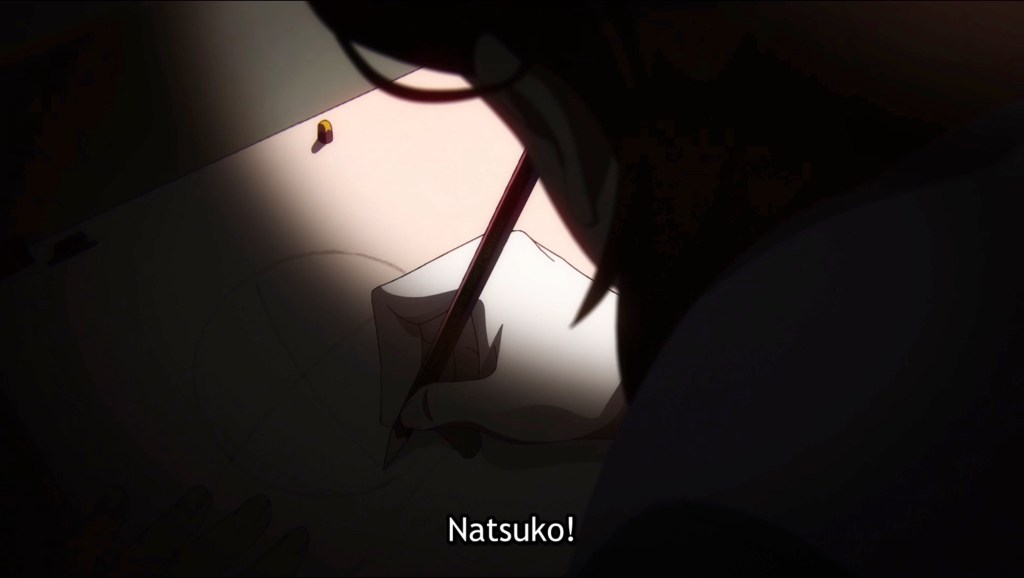
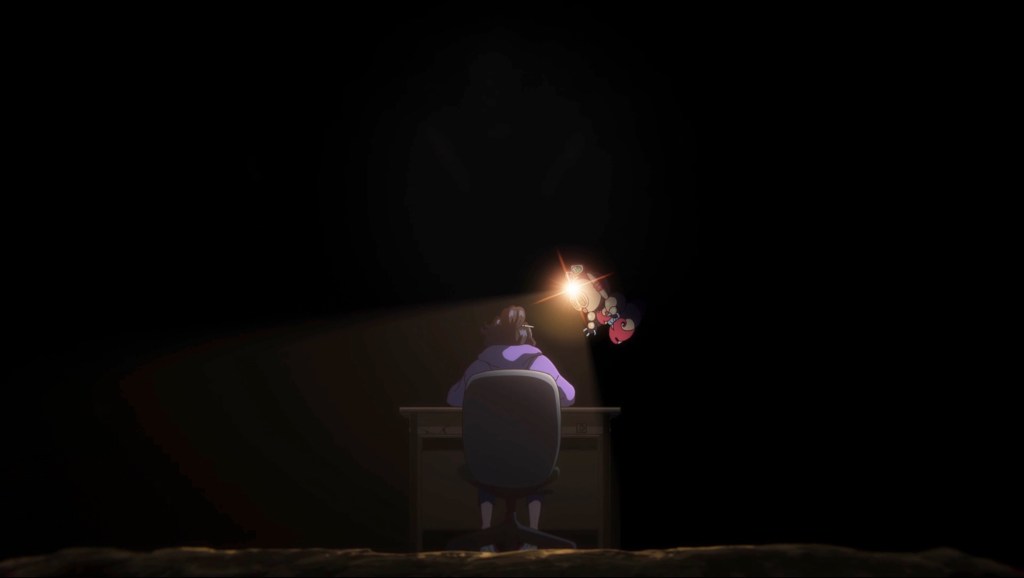
Fortunately for the Nine Soldiers, Natsuko joins them with her supernatural means of combating the voids. Armed with her magical animation desk and other tools of the craft, Natsuko draws victory into being, her warriors and heroes coming to life from the page and saving the day, time and again. But what’s interesting about this setup is that over the course of the series, it becomes clear that it’s not so much the content of Natsuko’s drawings that is the key to victory, but the very act of drawing itself. Her power lies in creating. Let me explain.
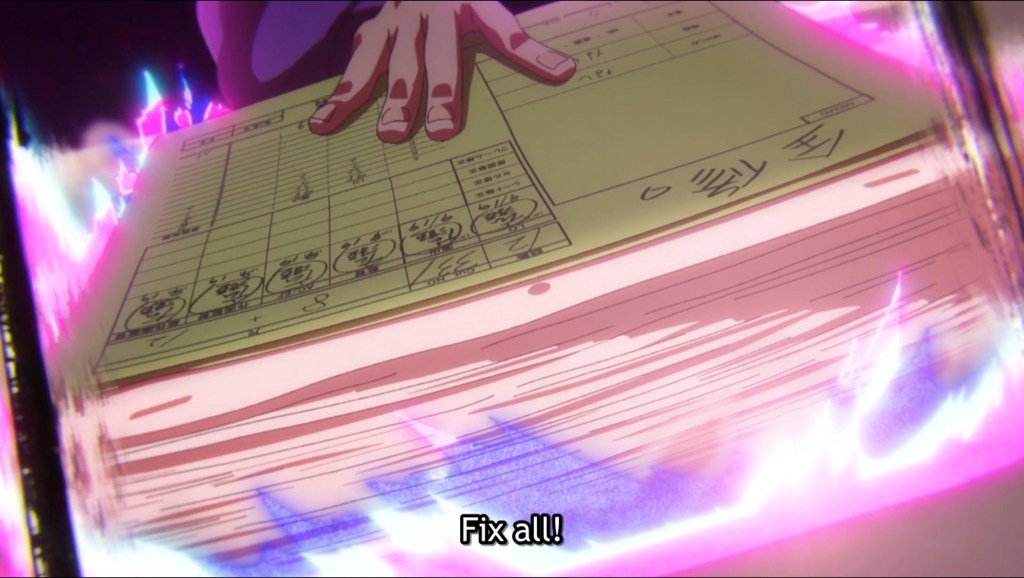
Consider the transformation sequence that plays in every episode: while basically every transformation scene known to anime showcases a dramatic costume change and new coiffure for the female lead, accompanied by shimmery, sparkly “sproing!” sound effects as essential accessories burst into existence (ribbons! bows! buttons! wands! scepters!), in Zenshu, the equivalent sequence highlights Natsuko’s tools as an animator. It is her pegbar and animating papers that get the glitzy sound effects, her chair, desk, and pencil that receive the visual flourishes of sparkles, golden lightning, and explosive florals. Meanwhile, Natsuko herself only benefits from a bit of a breeze, throwing back the hair from her eyes, as she remains garbed in her signature purple hoodie. Yet while she stays more or less the same in outward appearance, there is a change happening internally: as her tools line up, Natsuko is preparing to make magic—the magic of key frames and tweens. The rest of the sequence depicts her feverish activity as she puts pencil to paper and completes the animation cut that will defeat the voids, concluding with a triumphal flourish of a fat folder of frames. The entire sequence focuses on creating.
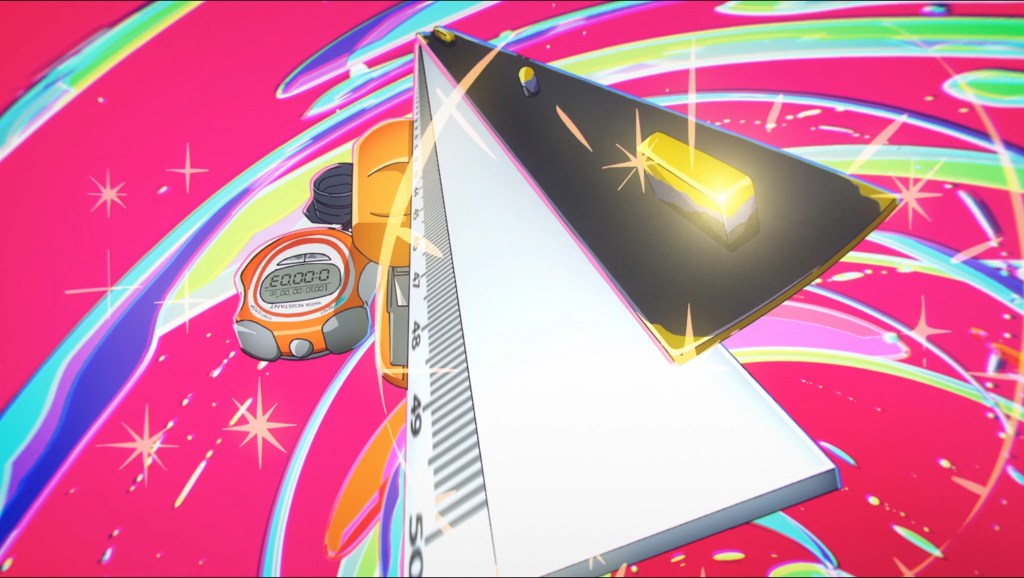
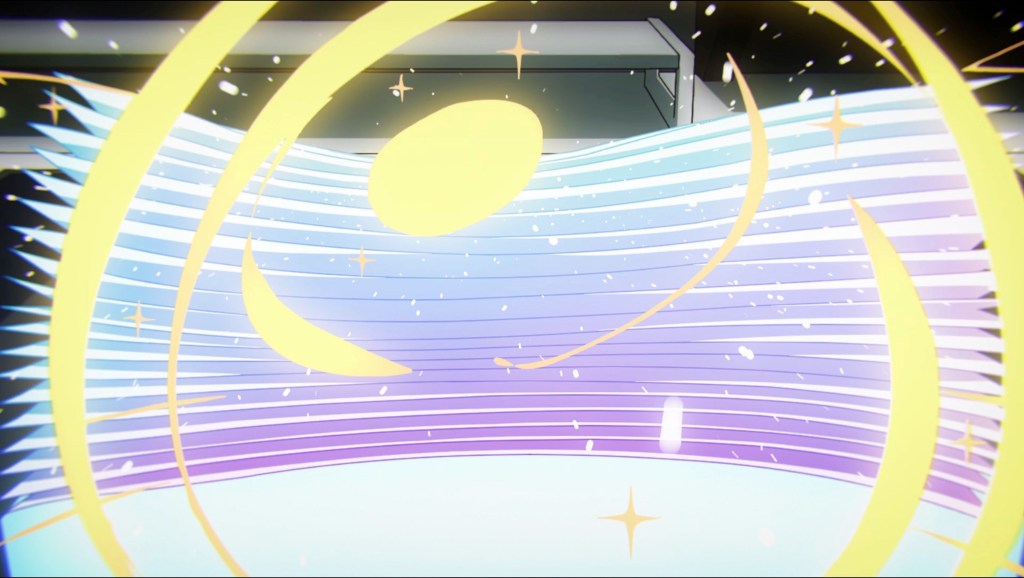
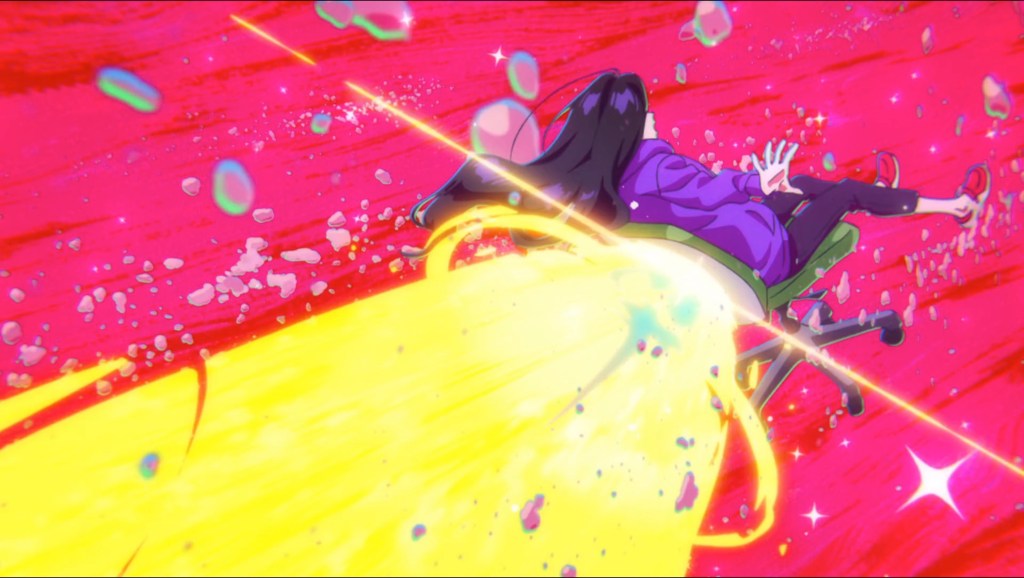
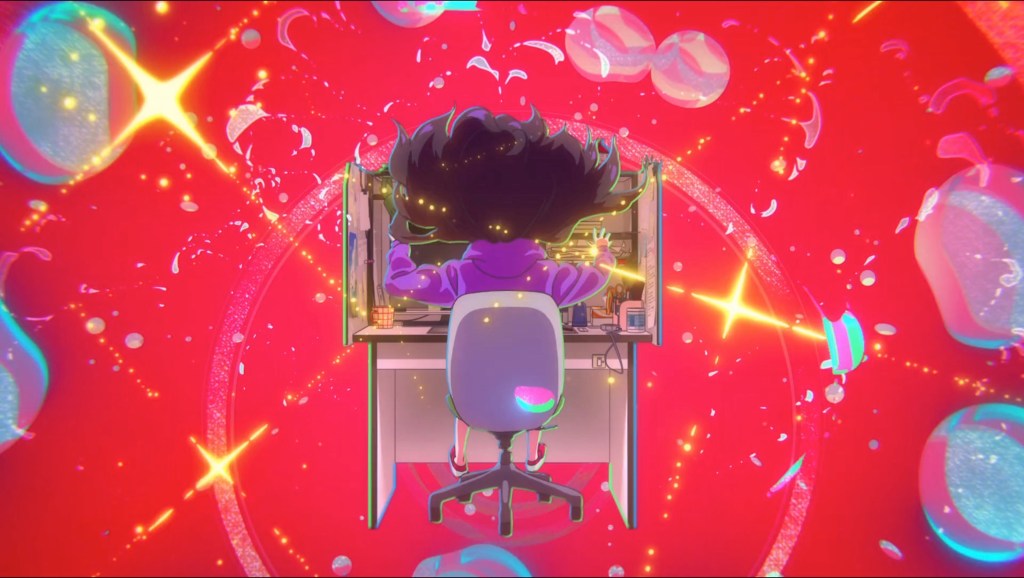
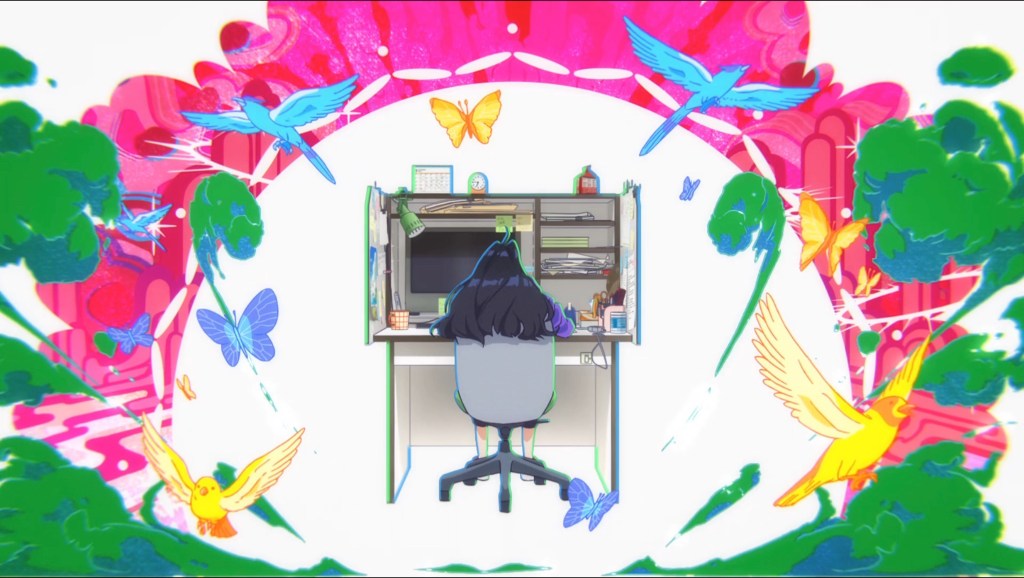
Here’s where it gets even more interesting: Natsuko doesn’t create from scratch. She uses character models she learned while honing her craft in the real world: the idols from her training days, the samurai from her studio’s franchise, the sukeban magical girls from her first smash hit—all culminating very pointedly in the finale with the character whom she has drawn so often over the years that she can draw him with her eyes closed. In other words, creativity does not require complete uniqueness and originality, not even from a virtuoso like Natsuko. Nor does it need to be perfect—even her scribbles have power! Natsuko may be a rare talent, but the image of creativity that she represents is surprisingly accessible. She shows us that there’s a power in the act of creating in and of itself.
This is true in real life too, though I don’t think we’re very good at recognizing it, neither in the church nor in society more generally. We tend to measure creativity according to the final product: creative works need to be unique, original, unexpected, pioneering—the list goes on. We also tend to reduce creativity to the domain of specific professions: artist, musician, writer, performer; the kinds of avenues that are often closed to the majority of us. And yet, we were all fashioned by a Creator in his own image, and designed to reflect his nature, including his creativity. We are built for the craft of creating, which in the most basic terms is bringing cosmos out of chaos, order out of disorder, purpose and intent out of formlessness. It could be grandiose masterworks or more humble, even forgettable things. God himself creates both the spectacular (stars! planets! living creatures!) and the mundane (designs for furniture, room layouts, tableware, and even dustpans), and both are equally creative, equally vital and full of significance. By this measure—the measure of the action rather than the outcome—brewing the perfect cup of tea is as much an act of creating as sculpting a masterpiece or writing an article for BtT.
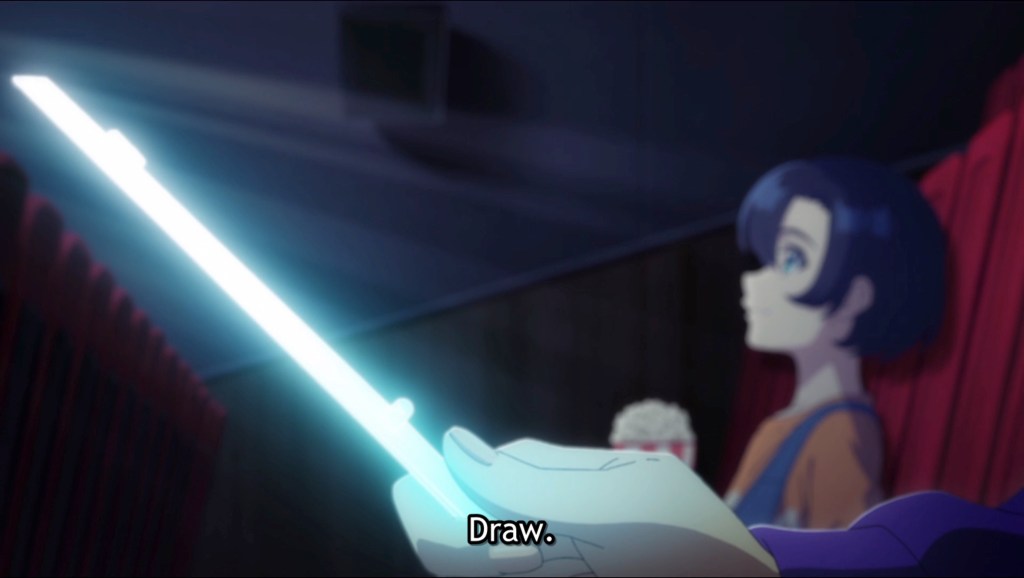
If you’re reading this and thinking, “This is nice and all, but you don’t know me. I’m really just not creative,” then I have one word for you, if I may: kake! This is what the voice tells Natsuko, draw! And you know who that voice belongs to? Her youngest self, elementary schooler Natsuko. You see, grown-up Natsuko, the virtuoso anime director, is facing creative block at the beginning of the series. She can’t draw. She has nothing left to give as she flounders under the pressure of living up to her own reputation. So even when she ends up in the world of her favorite anime, she doesn’t know what to do. It takes her child self to lead her back into the flow of creating. Maybe the same will be true for you. And maybe, just maybe, this is a small part of why Jesus exhorts us to be like little children. They are such natural creators!
But Zenshu also sounds a note of warning: not all creating is effective in spiritual warfare. In fact, some can be downright detrimental, even traitorous. This happens halfway through the series, when Natsuko’s creations are hijacked by the voids and turned against her, the Nine Soldiers, and their world. In biblical terms too, not all creating is godly. In fact, it’s common throughout the Old Testament for craftsmen to be called out for opposing God and fighting on the enemy’s side, just like Natsuko (albeit inadvertently in her case). This is because idols and false gods were also made by charashim or craftsmen. Here, the creating was corrupted with greed and deceit, with self-sufficiency and rebellion, as craftsmen made their own gods, whether it be the statues themselves, or the money or prestige they could earn from making them.
Now, Natsuko was not creating or worshipping false gods (in contrast to the Voidists!), but as Twwk pointed out, her heart was not in the right place when animating those earlier cuts. She was in self-centered leadership mode, bent on getting the job done as quickly as possible with the least amount of inconvenience to herself (such as “working with others” or “consulting the team”). Her heart was not in the creating itself, but in achieving the outcome she wanted. This is why it backfired on her.
And this is the key: Zenshu shows us that the kind of creating that defeats the enemy involves heart connection. It’s right there in the opening frame of the transformation sequence:
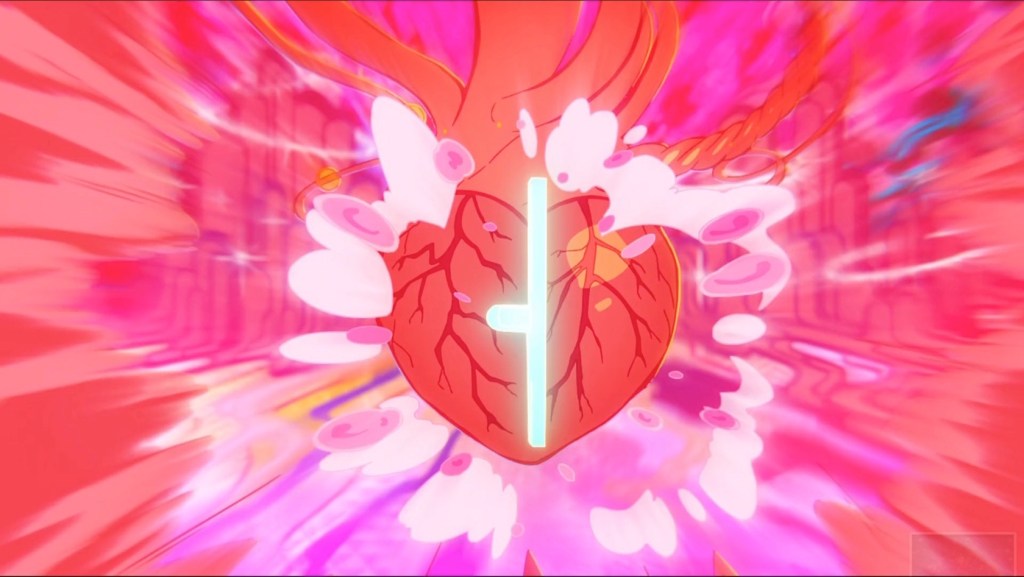
After the failure of Natsuko’s animations, she goes through a multi-episode realignment of values, learning to work together with her team instead of soloing her battles, trusting and confiding in them. And more so than any other, it is Luke Braveheart (ahem) to whom Natsuko draws near, as she recognizes at last that Luke was and is her first love. Ba-thump, donk! It’s this understanding that she pulls on when it comes time for the final battle against Luke, who has transformed into the Ultimate Void.
For the first time since the counterfeits, Natsuko draws a heroic figure once again—the legendary hero himself, Luke. She draws him over and over again, perhaps in a bid to remind the voided Luke of who he truly is; perhaps because he’s the greatest hero of whom she can conceive; or perhaps simply because, as she says, she could draw him with her eyes closed. But it isn’t the image of Luke Braveheart, legendary hero, that has an effect on the Ultimate Void (that is, beyond a paper cut on its hand). As much as that hero was a part of her daily existence for most of her life, he’s not the one to whom Natsuko is deeply connected.
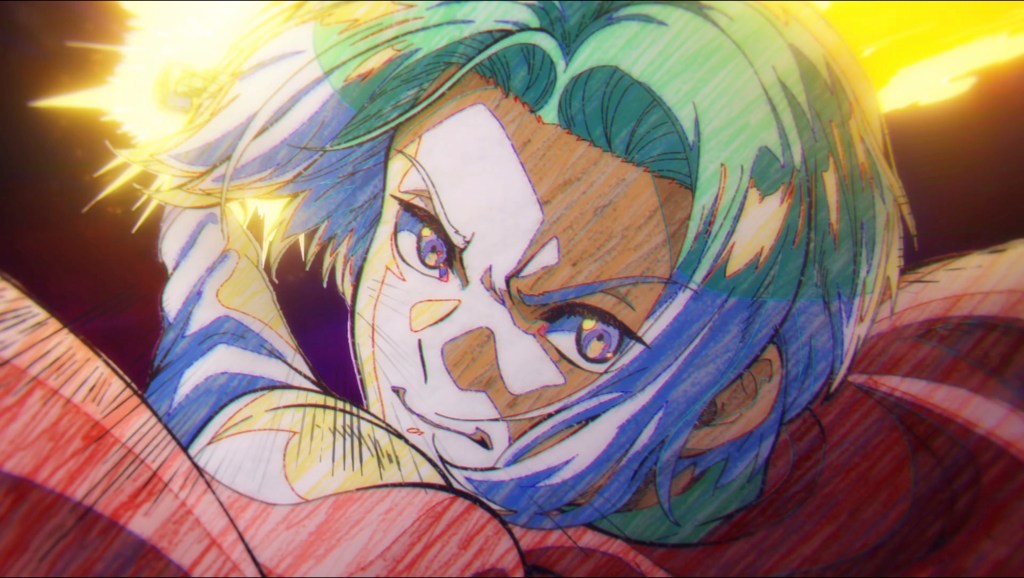
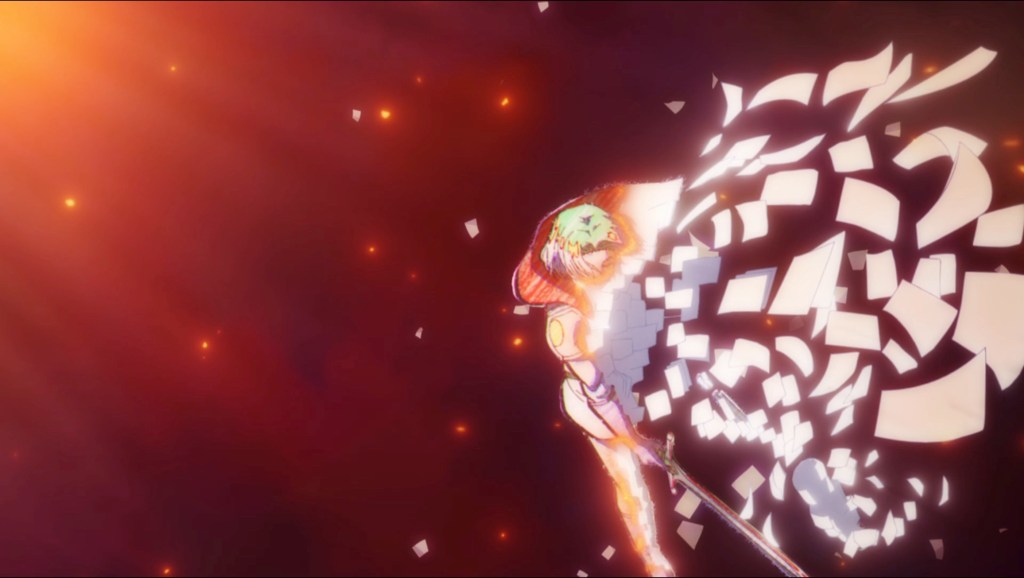
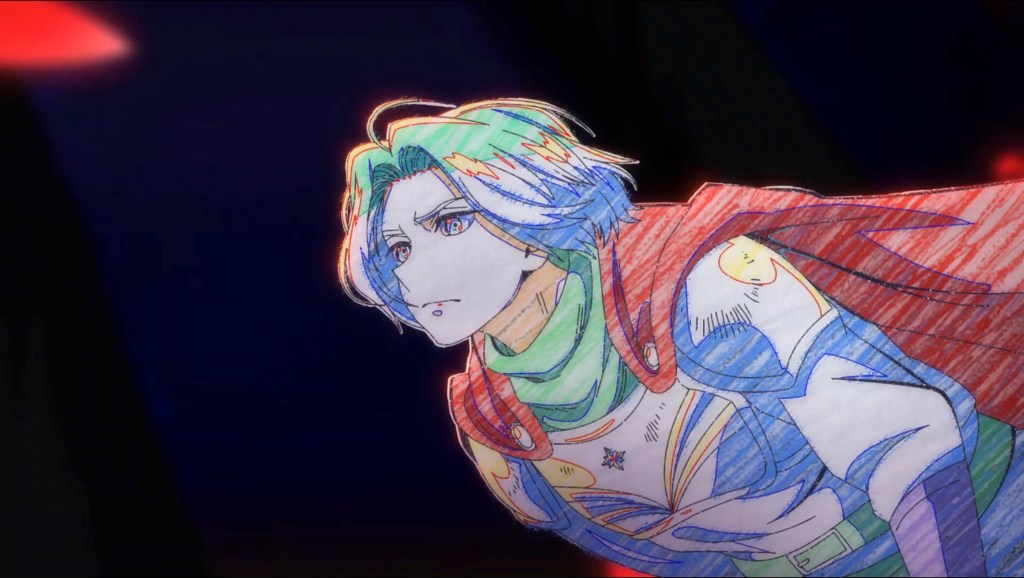
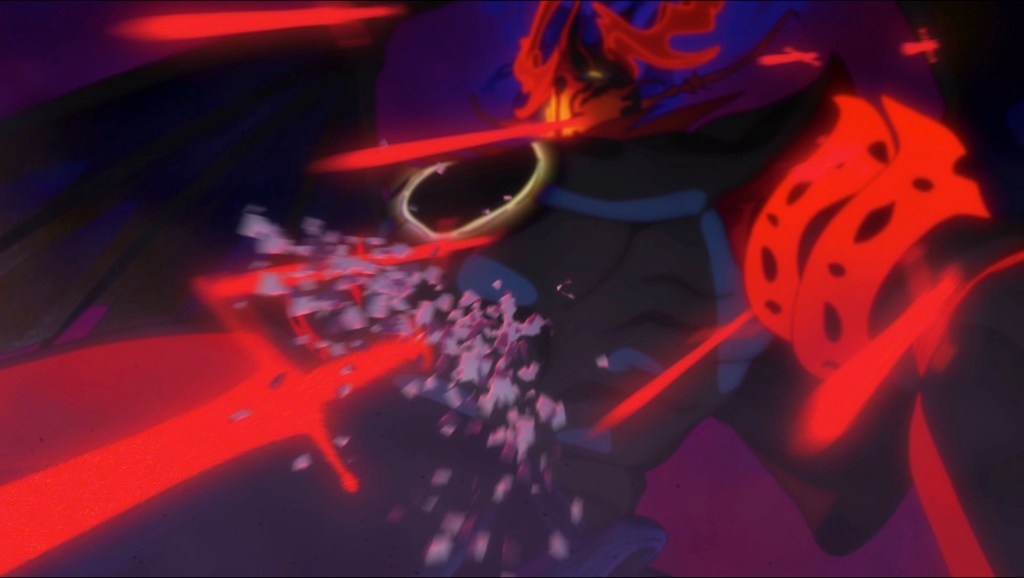


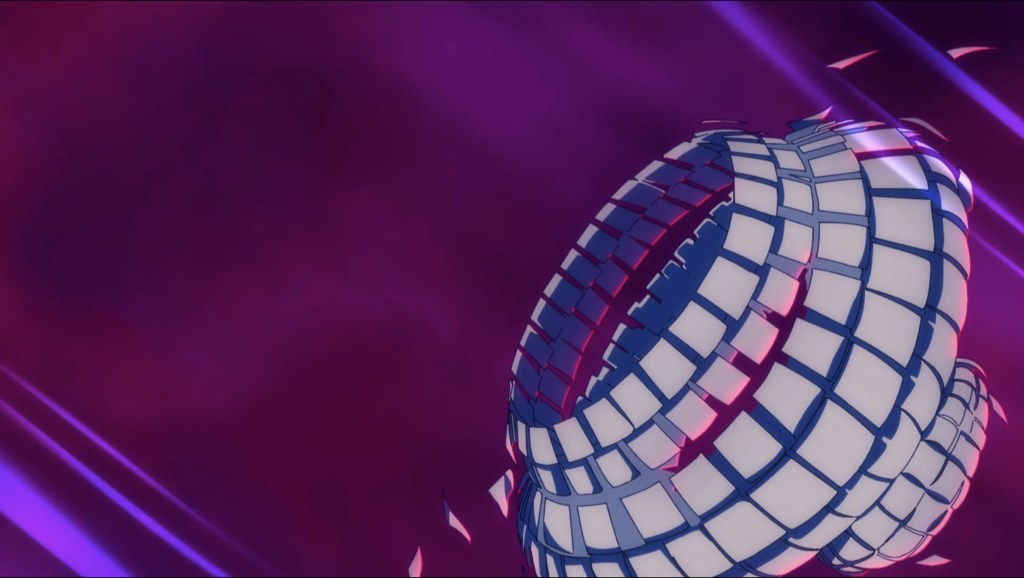

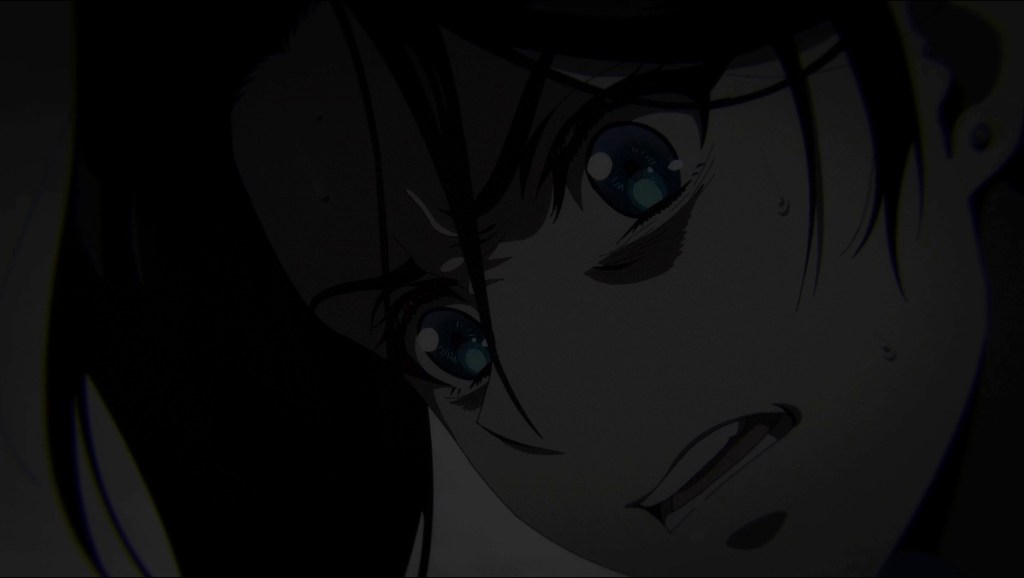
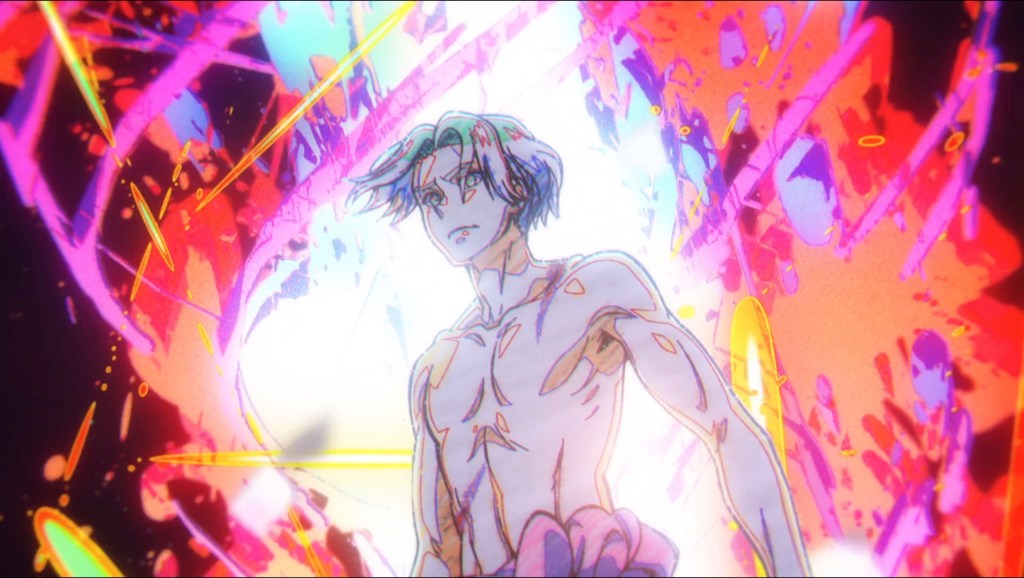
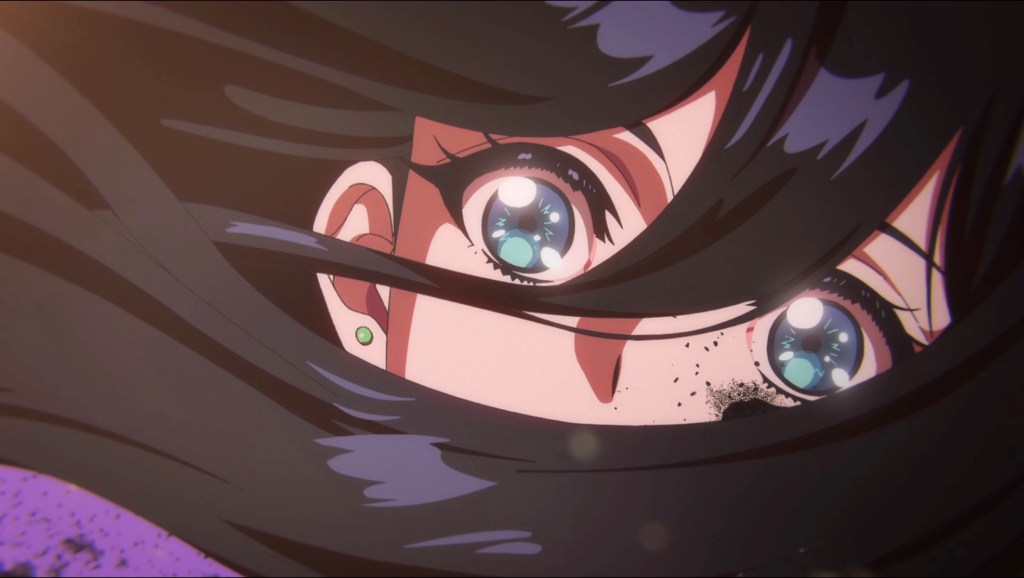
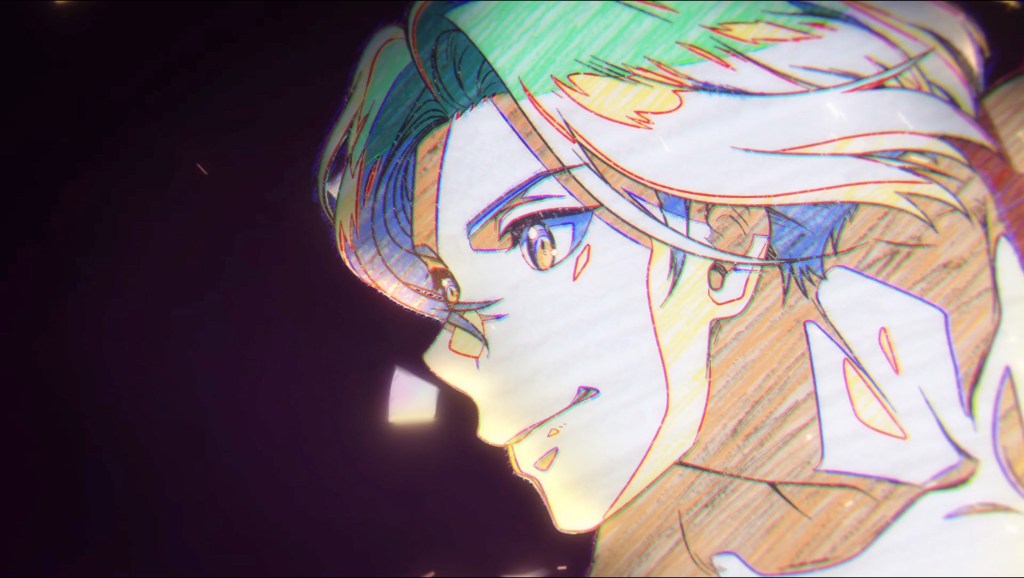
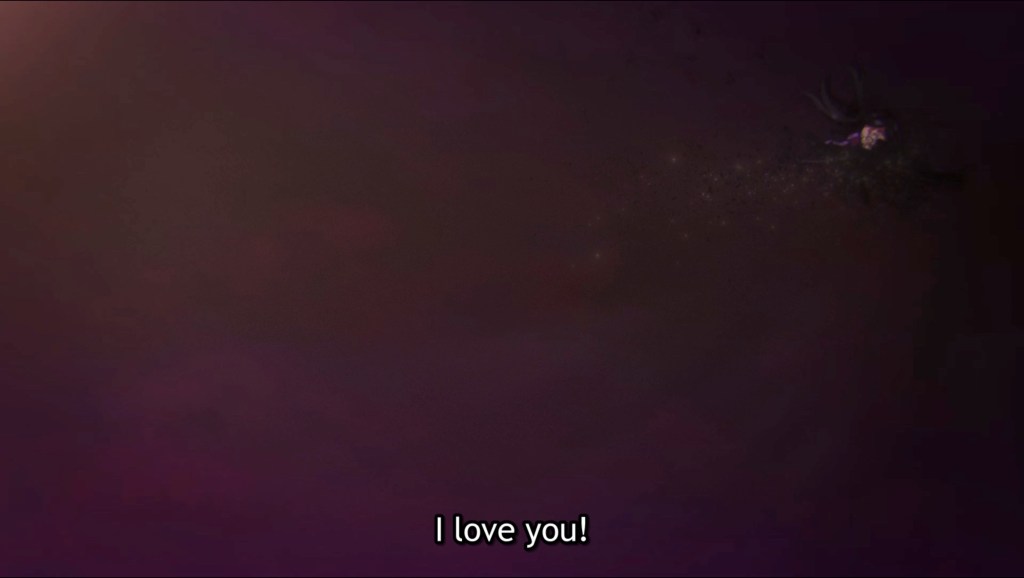
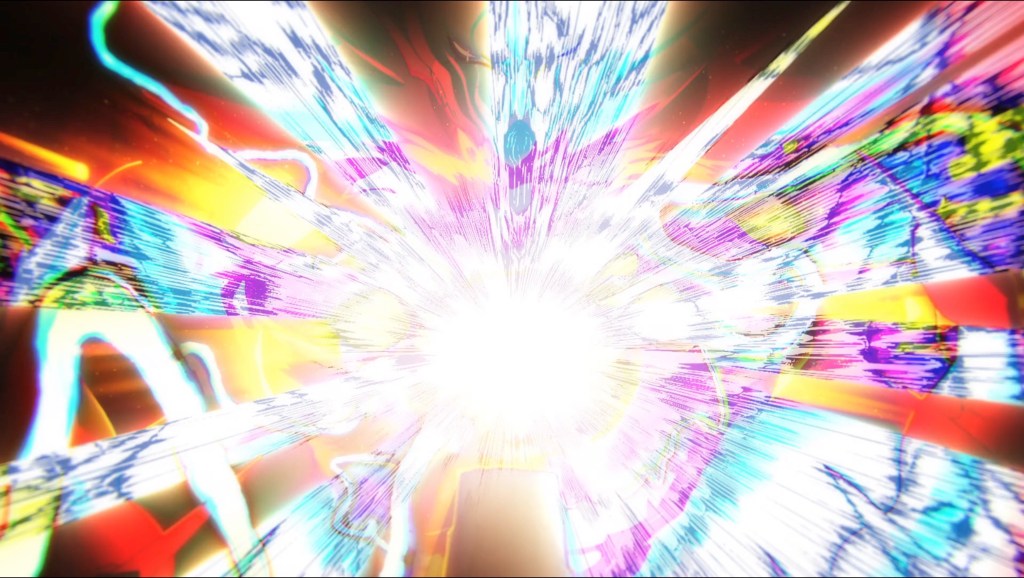
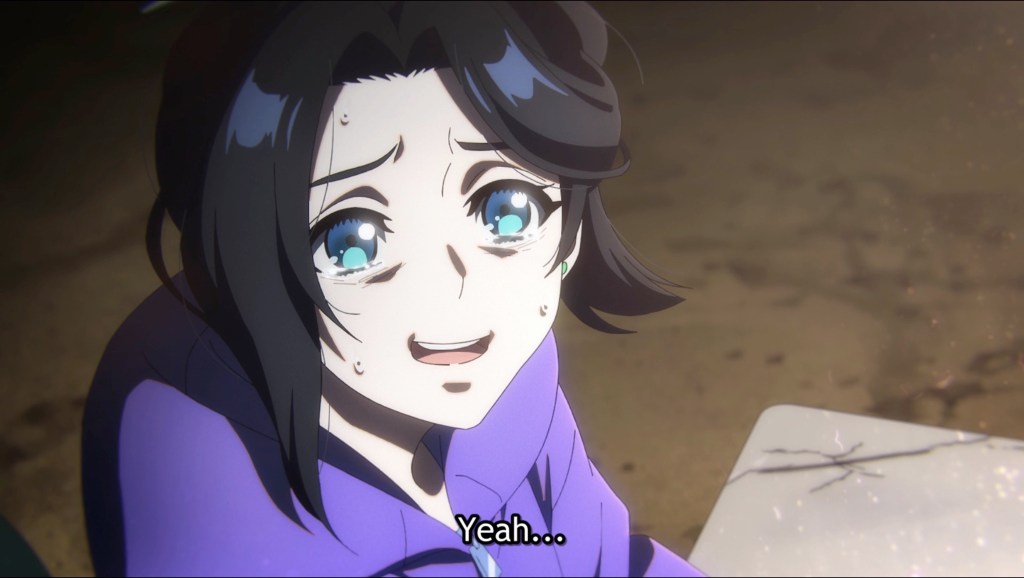
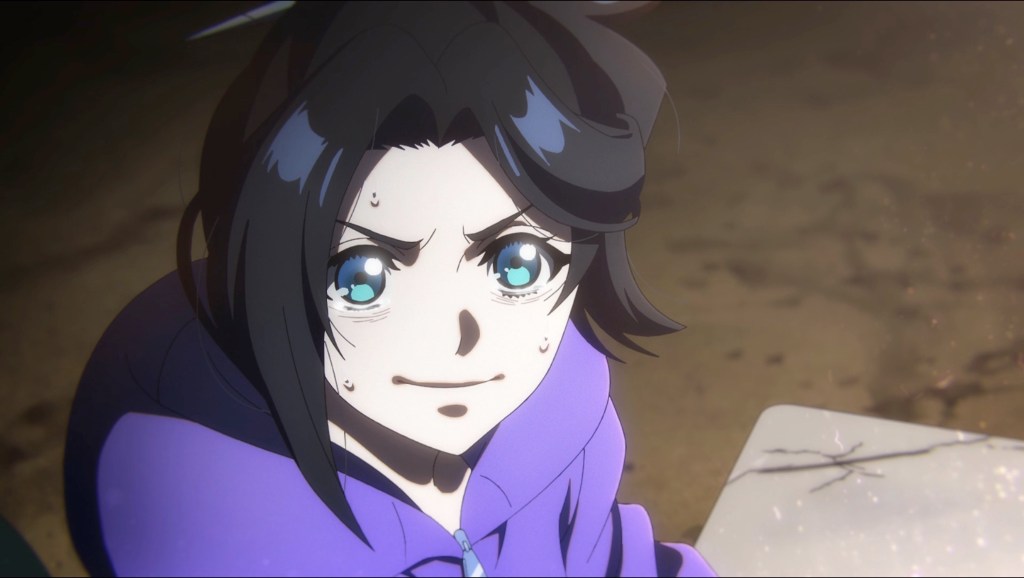
It’s not until all appears to be lost—her friends and companions evaporated into ash, the world cast into darkness, becoming the void—that Natsuko finally musters the courage to put her heart on the page and draw her Luke, not the hero, but the gangly young man wrapped in a towel, like at the end of their awkward date at the onsen. This is just “plain ol’ Luke,” as Unio calls him. But he’s also the one who sought to protect Natsuko—her specifically—from danger when the voids crashed said date. That’s the Luke who made her heart go “donk!” It is this drawing, coming straight from her heart to his, that sets Luke free from the void and recreates the isekai, in glorious C.S. Lewis The Last Battle-style.
It was when she truly drew from her heart, with the intent to connect to another heart, that Natsuko won the battle.
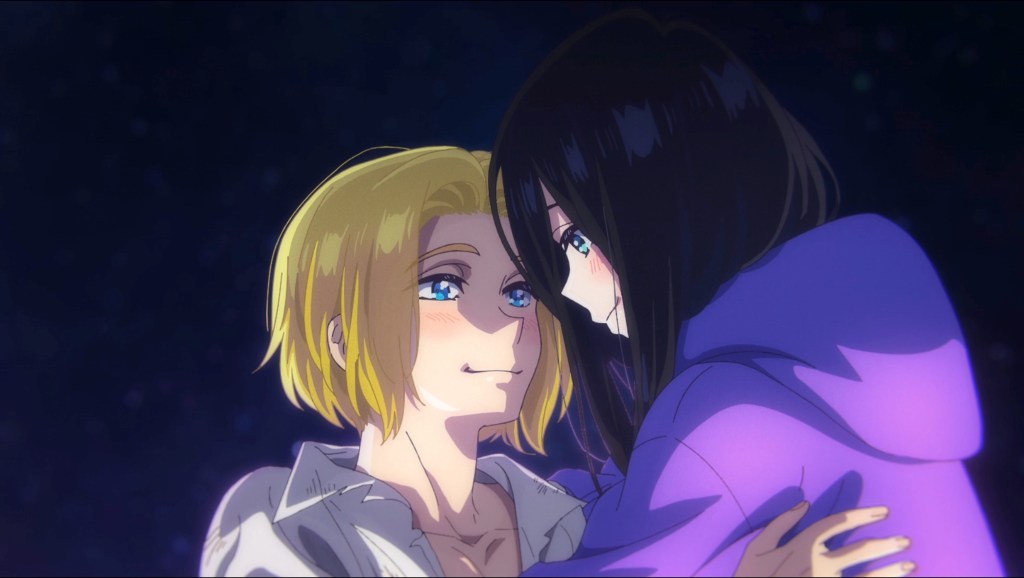
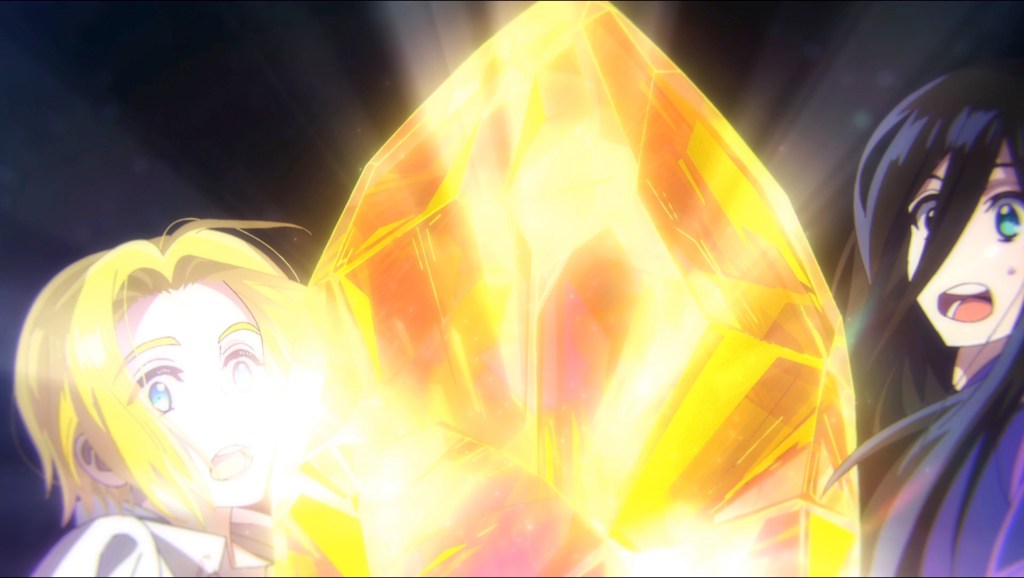
The first new Soul Future literally emerges from their loving connection, triggering the world remade!

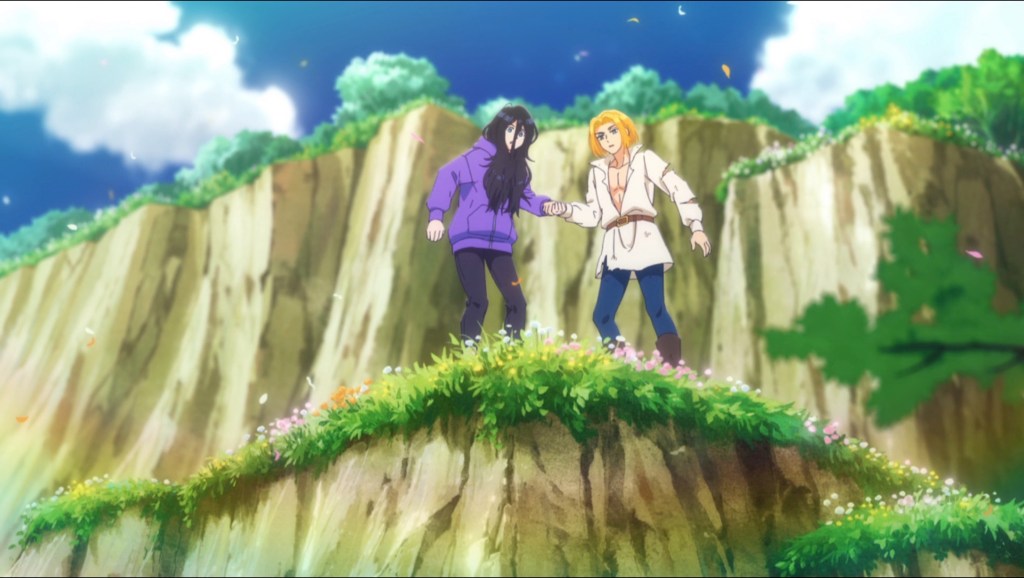
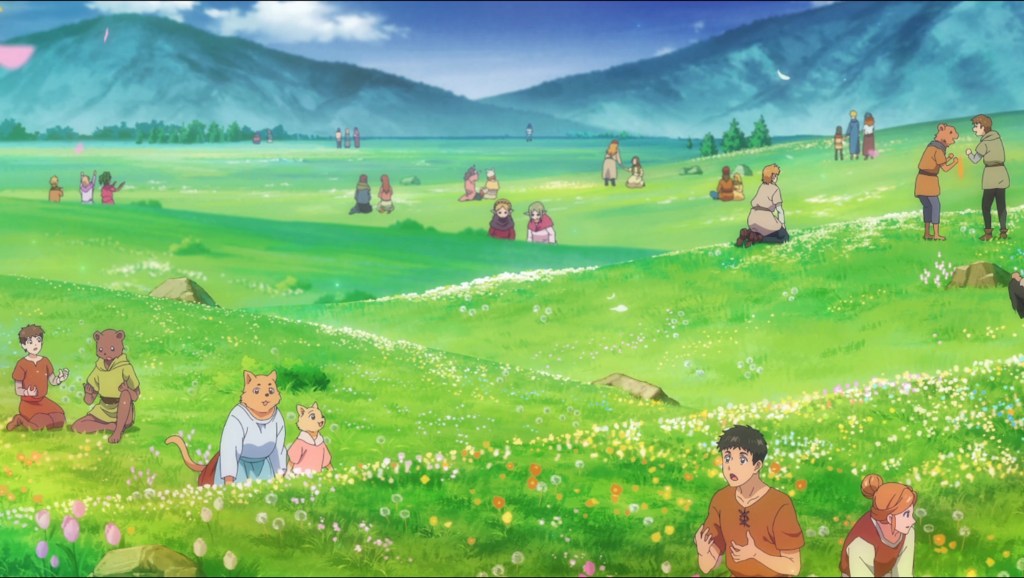
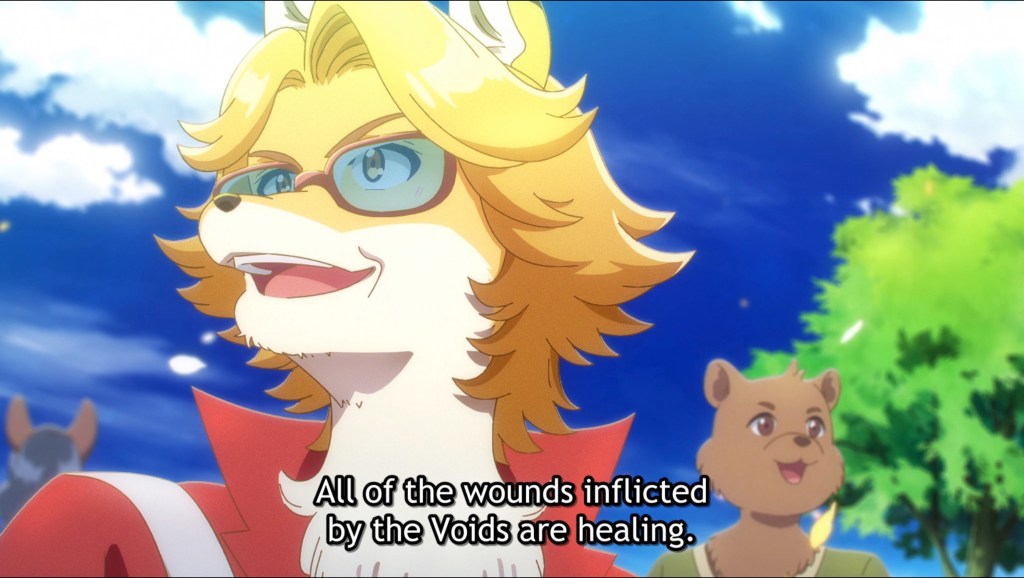
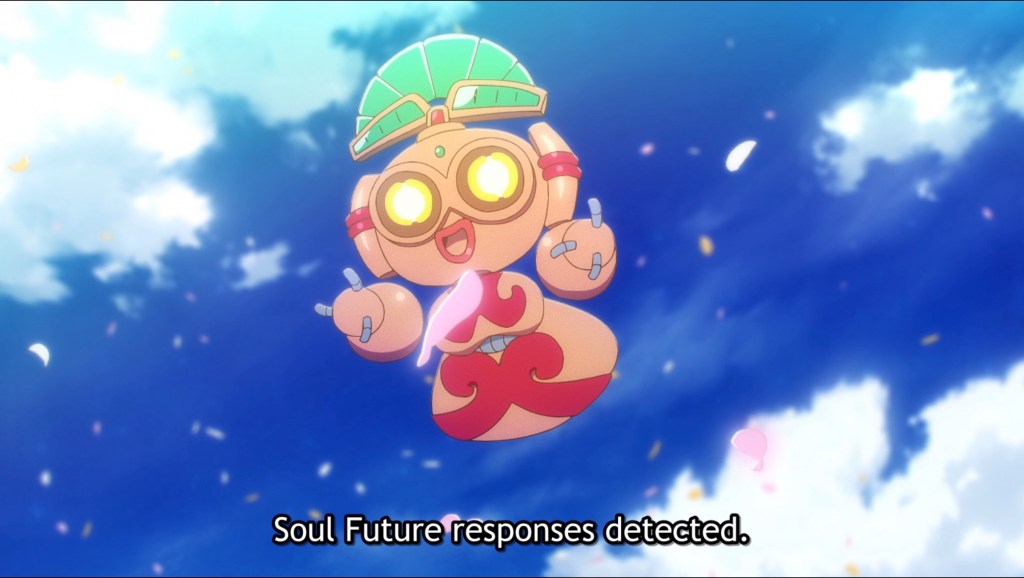

The power of creativity lies in aligning hearts—creator with created; Natsuko with Luke; God with us, and us with him. It’s no coincidence that the first time God poured out his Holy Spirit onto humanity was upon two craftsmen, Bezalel and Oholiab, for the purposes of unlocking in them (and humanity) understanding, wisdom, and skill in artistic and artisanal creativity. And it wasn’t just that one time. Frequently throughout the OT, God gave people blueprints for new creations, be they architectural, decorative, or practical. In light of this, it should be no surprise that by the time of Zechariah, God would show his prophet a vision of spiritual warfare in which he would confront so great a threat to his people by commissioning craftsmen. In the face of an enemy that seeks only to steal, kill, and destroy, creating is a powerful weapon.
Here’s the cool thing: psychological research has recently confirmed that creating is literally incompatible with one of the greatest thieves, killers, and destroyers besetting our world today—anxiety. We can probably each think of a time when anxiety blocked us from being creative, but have you ever noticed that the opposite is also true? When we immerse ourselves in creating—whether artistically or more practically, like cooking or organising something that we enjoy working on—there is no room for anxiety, no space for fear. Our capacity for creating is God’s greatest gift to us, his greatest protection for us in a world at war.
So my friends, when it comes to spiritual warfare, let us pray without ceasing; intercede for our nations and world; praise God with thanksgiving; celebrate the Lord’s supper; exhort one another with psalms and songs and scripture. But let us also create—with intent and with heart. Let us do things and make things, aligning our hearts to God’s and walking in the creativity that he designed us to carry, regardless of where we go, whether down the path of a traditional art form, or some other avenue. Don’t worry about the output. Go forth and create! And together, we’ll defeat the voids that threaten to banish all hope for the future in our world.
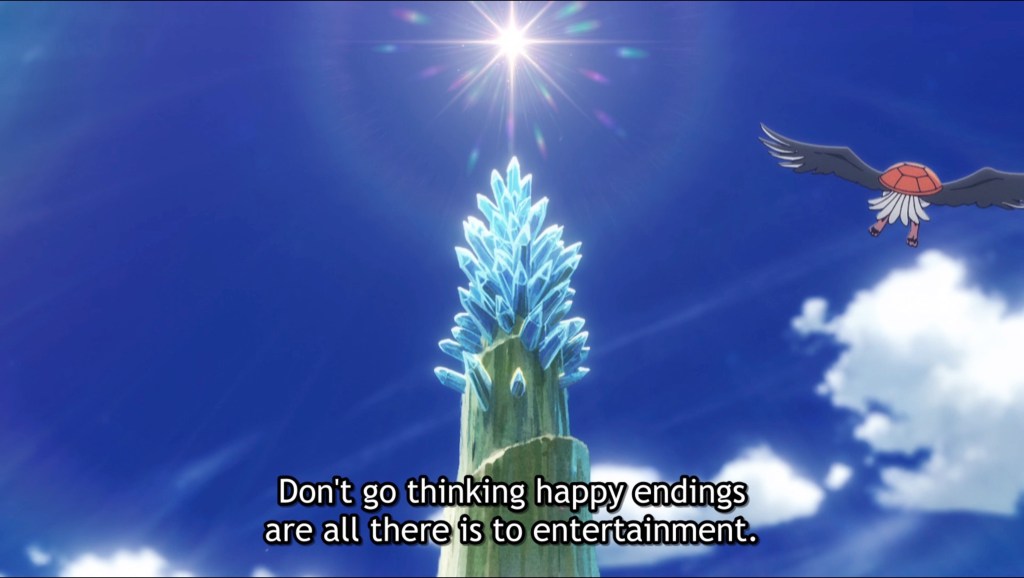
Or is it??

- Film Review: All You Need Is Kill - 01.15.2026
- First Impression: Kaya-chan isn’t Scary - 01.11.2026
- First Impression: Dead Account - 01.10.2026

I’m still thinking on whether or not to add this to my Anime Eucatastrophe list.
Ooo do it!! I’m sure you’ll find so much more treasure in it than we have so far! It’s just so rich, right?
Yes it’s definitely a very good show.
Wonderful ♥️
Thank you! ❤️