
It’s not every day that you compare God to a horse girl, but that’s what I’m about to do. Episode 6 of Uma Musume: Cinderella Gray is an absolute beast of an episode: beautifully storyboarded, stunningly animated, and nail-biting both for the action, but even more so, for the relational dynamics underpinning it. It’s a showcase episode in an already stellar series. And it lays bare both the ugliness and beauty that can arise when our dreams come crashing down, and the unholy vows we may make to keep them alive. Time to double-knot your track shoes, cause this is going to be a wild race!
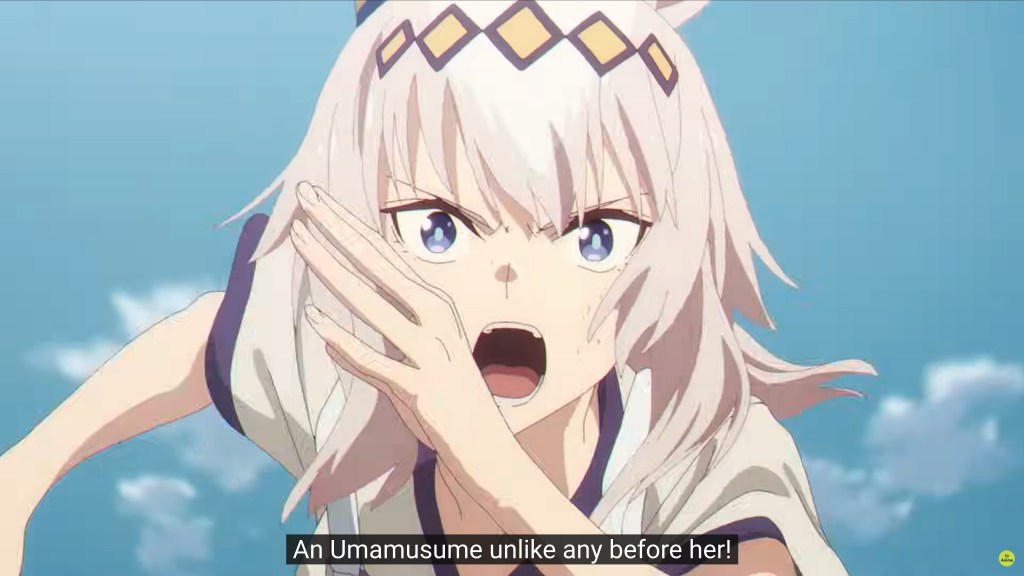
Jo Kitahara is a trainer in the Kasamatsu regional racing circuit of Umamusume or horse girls. These athletes may look more or less like young women, albeit with added horse tails and ears, but they are on a whole other level to track and field, running with backs bent low and gaits that defy human physiology. The result is that they are very, very fast—and the fastest among them is the rare, ashen-haired Oguri Cap. The first time he sees her run, Kitahara scouts Oguri with alacrity, seeing in her the means of achieving his lifelong dream of winning the regional championship, the Tokai Derby.
Oguri proves to be a quick study, and with plenty of food, wise counsel from classmate Belno on proper footwear, and Kitahara’s bespoke training regimen, she immediately begins racking up the wins. Better yet, the young horsewoman who had hitherto only run because she could, soon catches the vision of competing in the Tokai Derby and sets her sights on the top of the regional podium. Kitahara’s dream is within grasp!
But there’s a problem: Oguri is too good. She is bigger, better, and altogether more than Kitahara’s dreams allow for her to be. Oguri catches the eye of scouts for the national circuit, and pretty soon, Kitahara is faced with an uncomfortable truth: Oguri is worthy of the nationals, and he lacks the qualifications and experience to take her there. She is set to leap over him like a steeplechaser and leave him and his dream in the dust.
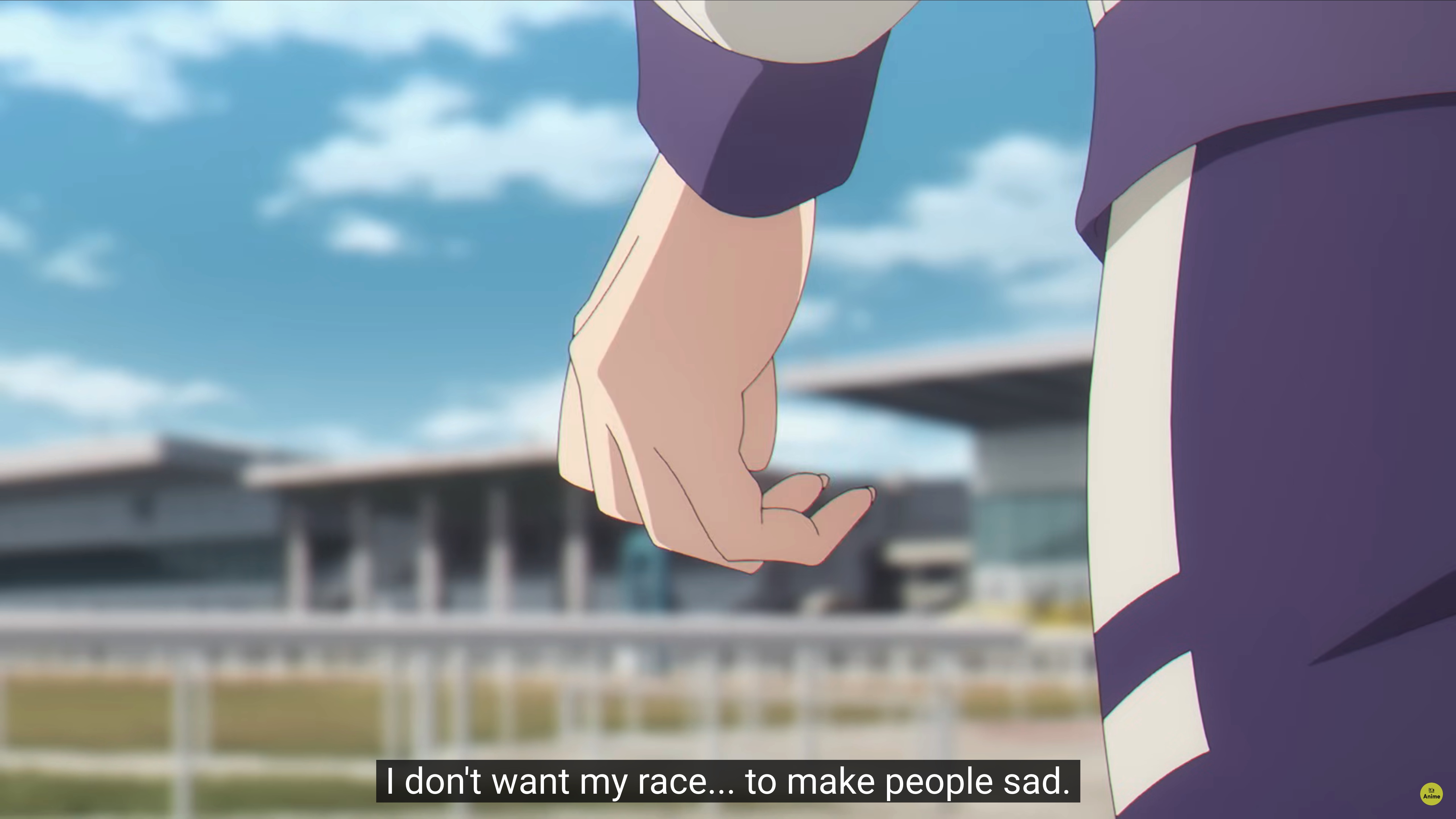
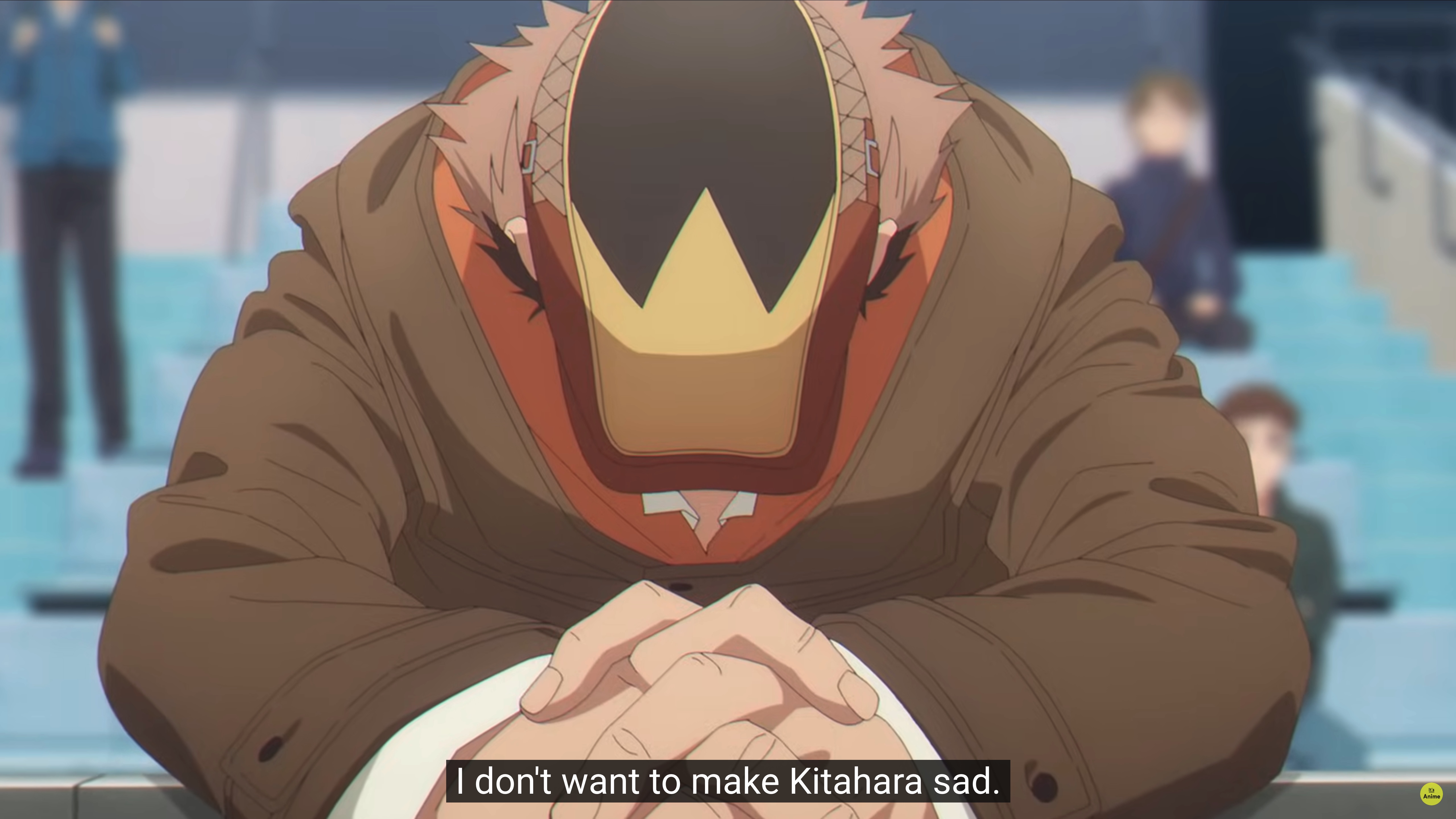
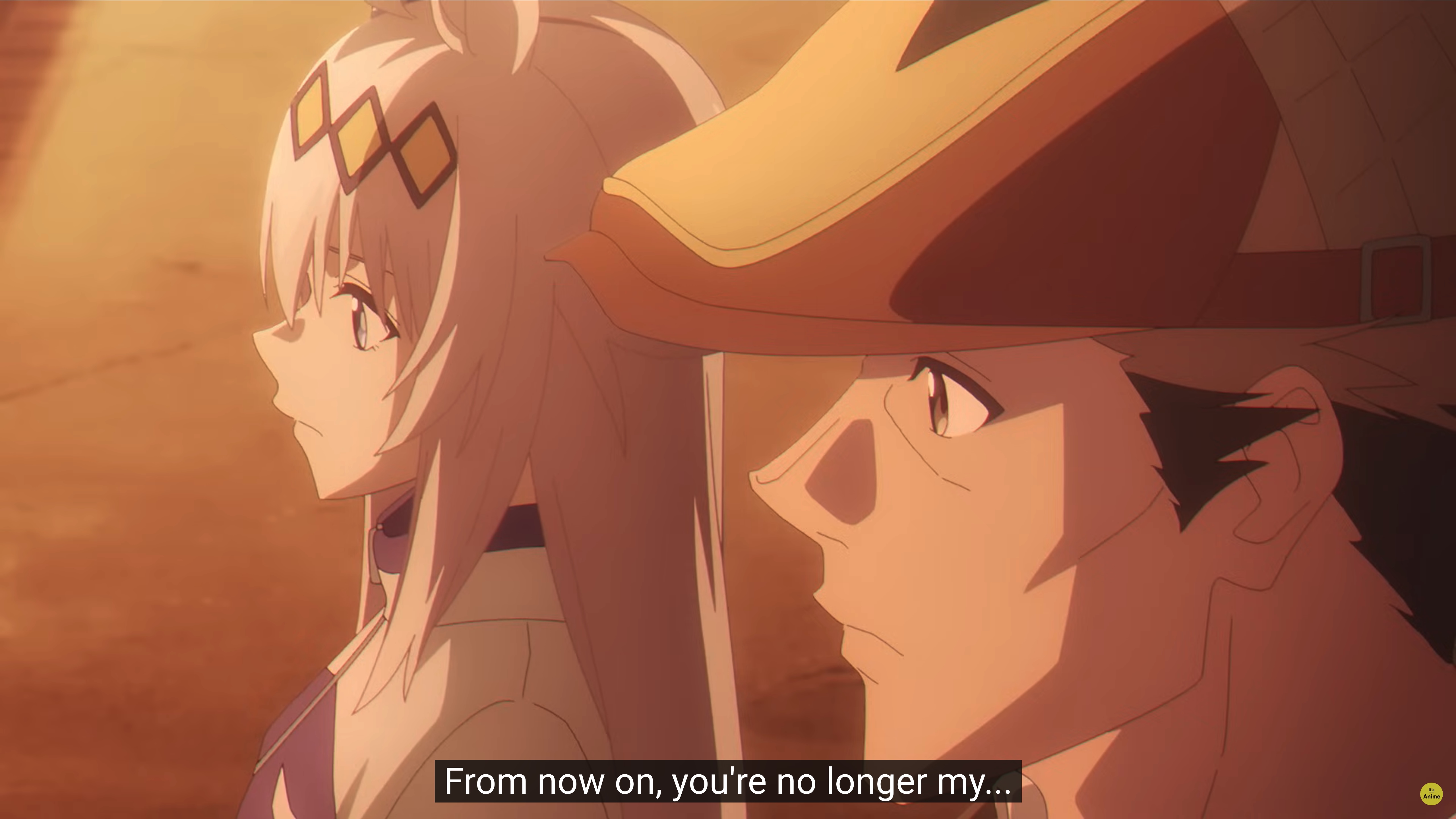
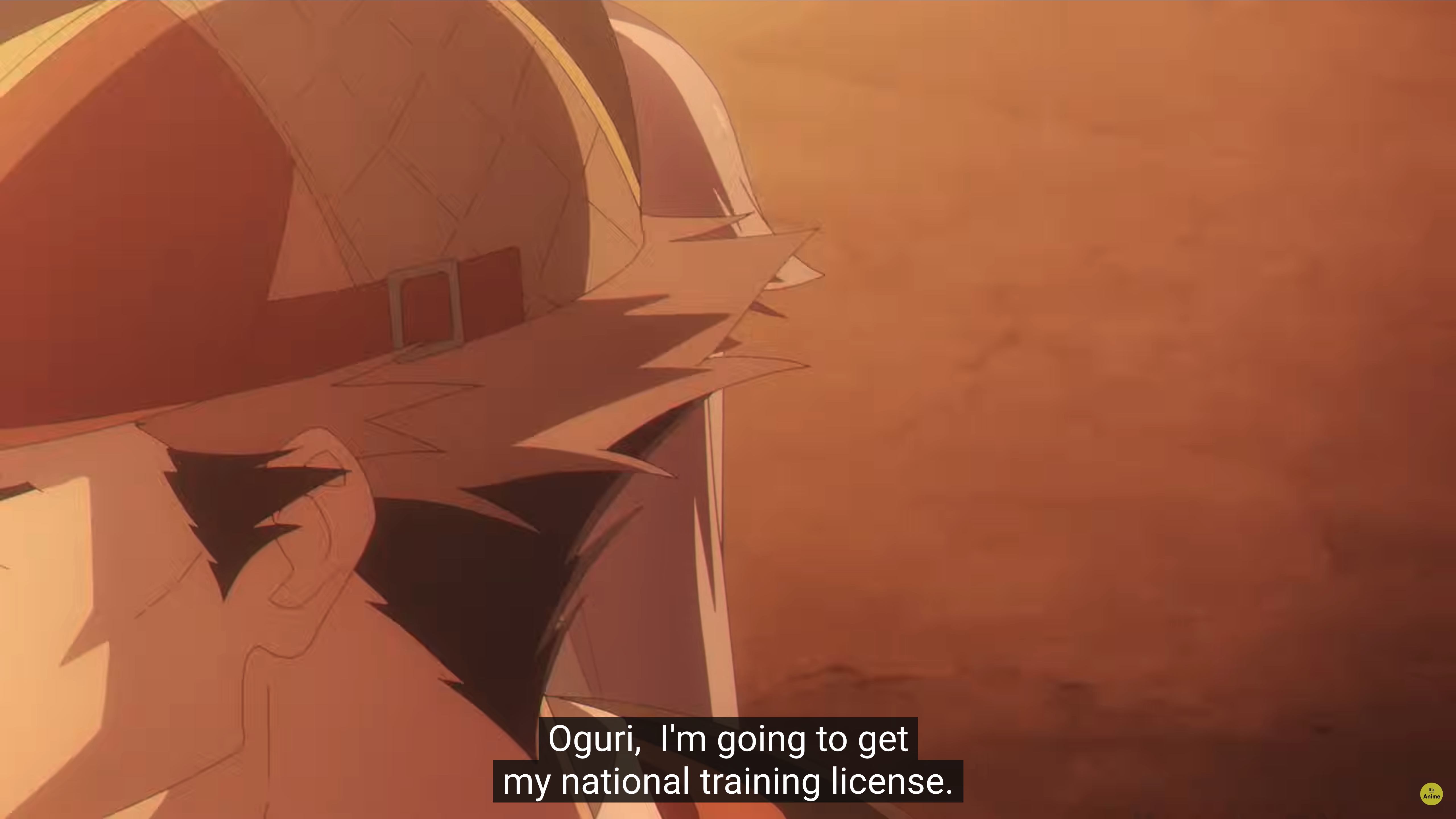
And so Kitahara doubles down, trying to grasp his dream close. And in the name of his dream, he does something deplorable—he makes a bargain with fate, an unholy vow, and he sets Oguri an ultimatum: if she wins her next race, she will transfer to the nationals and by implication, to a new trainer; but if she loses, she will stay with him in the regionals.
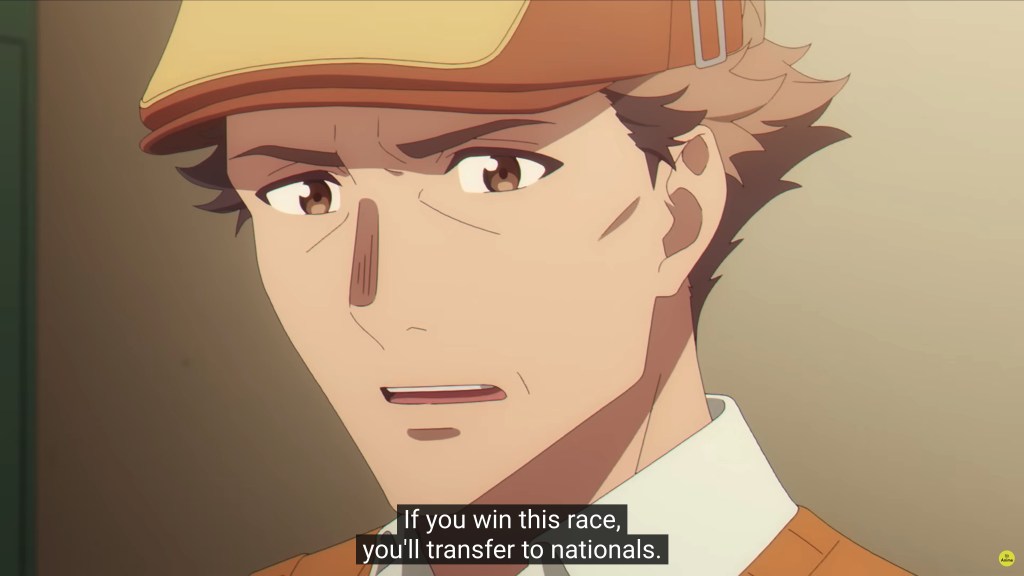

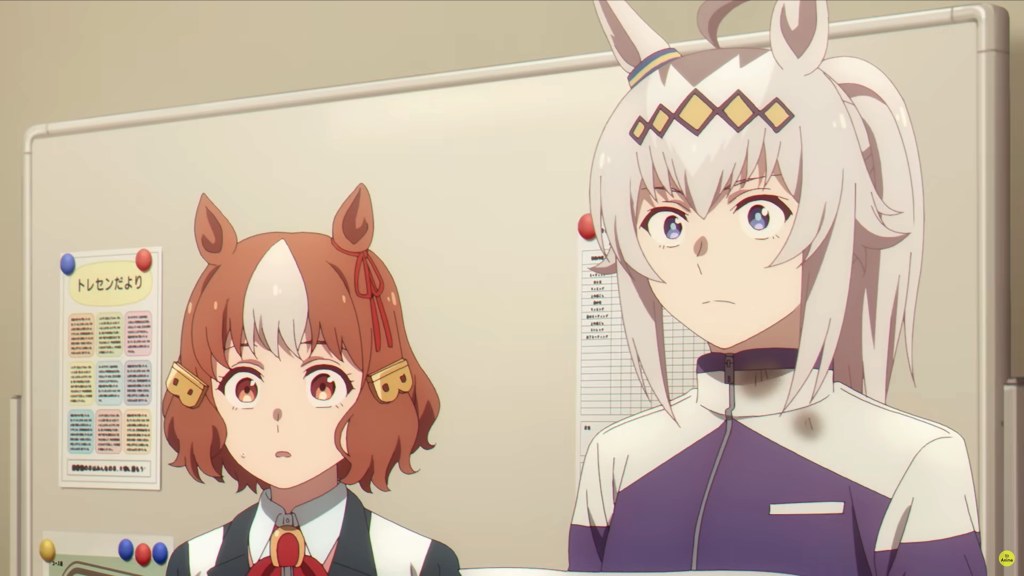

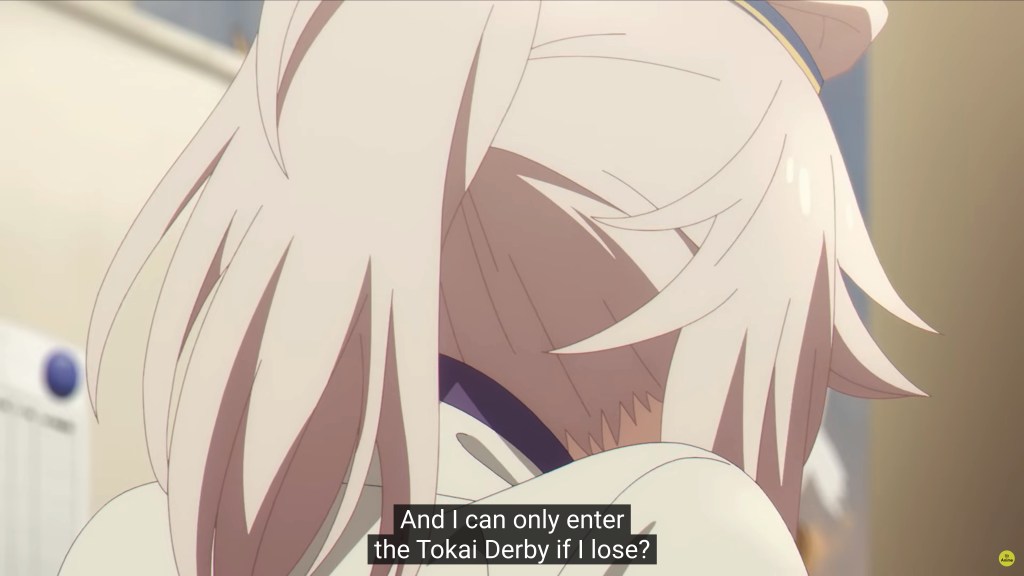
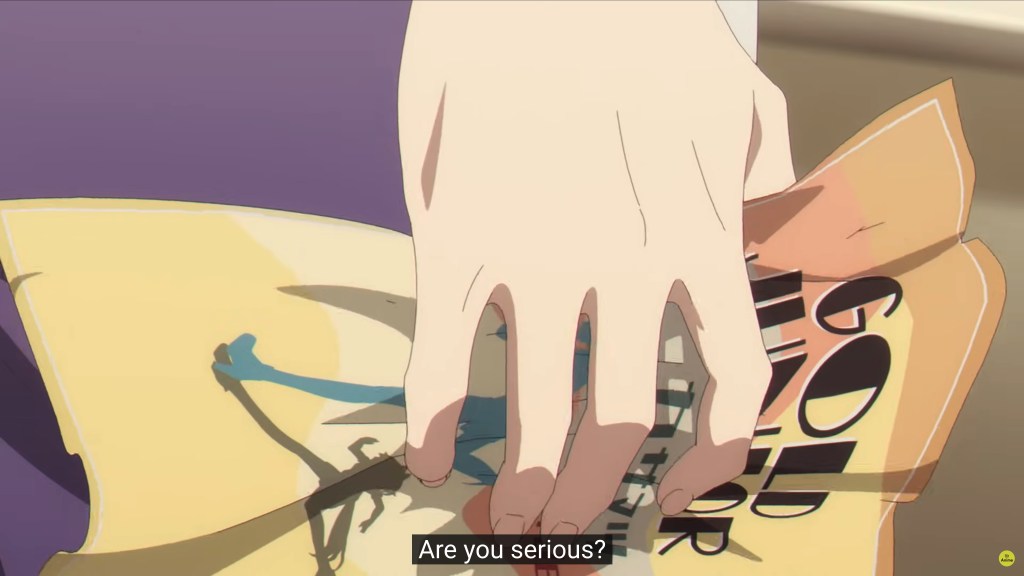
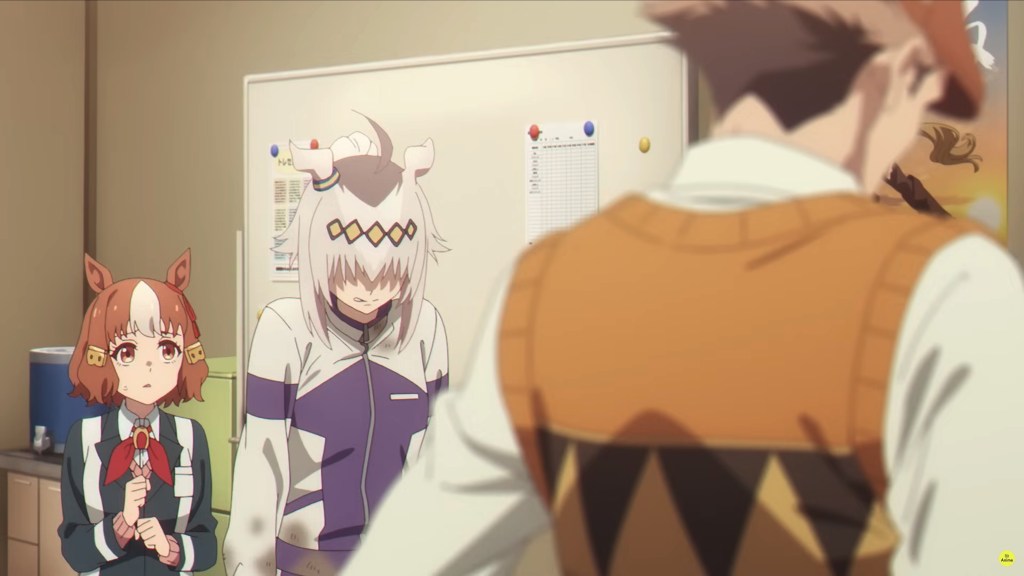
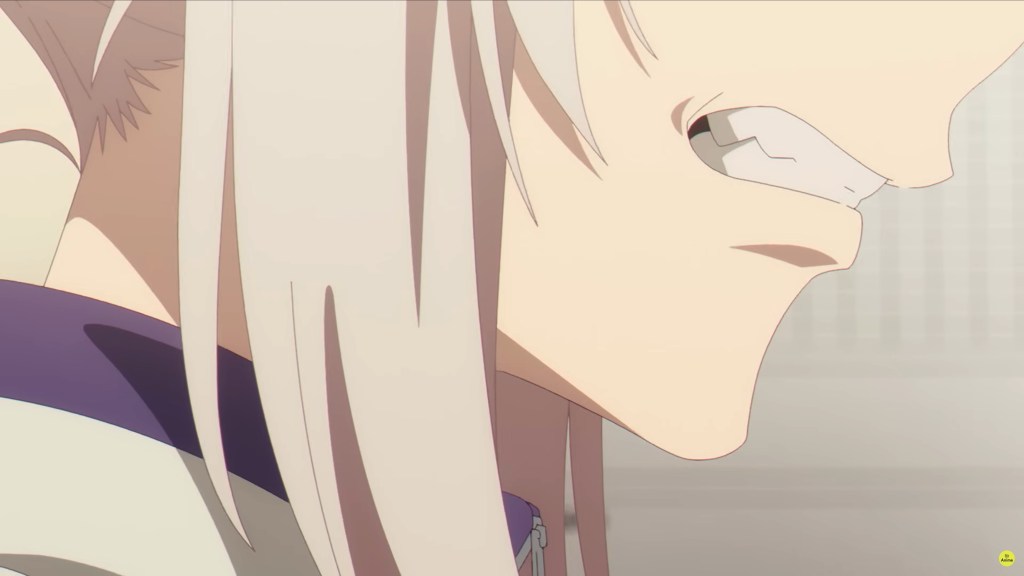
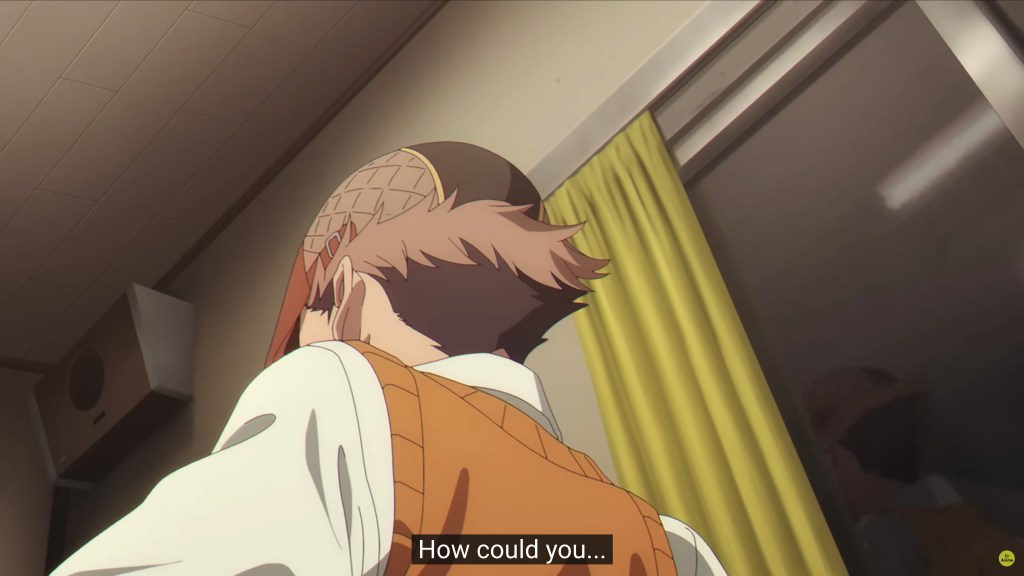
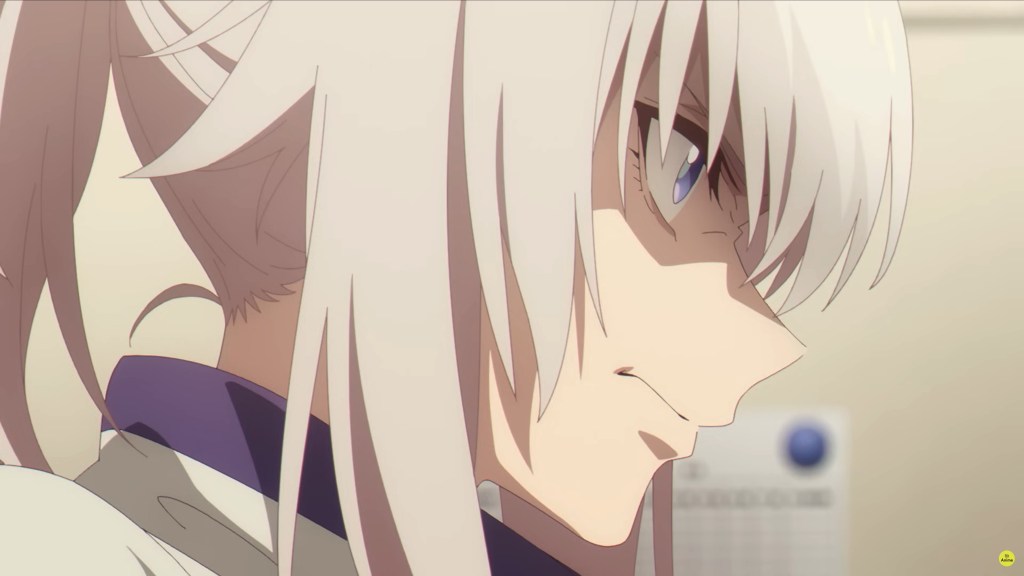
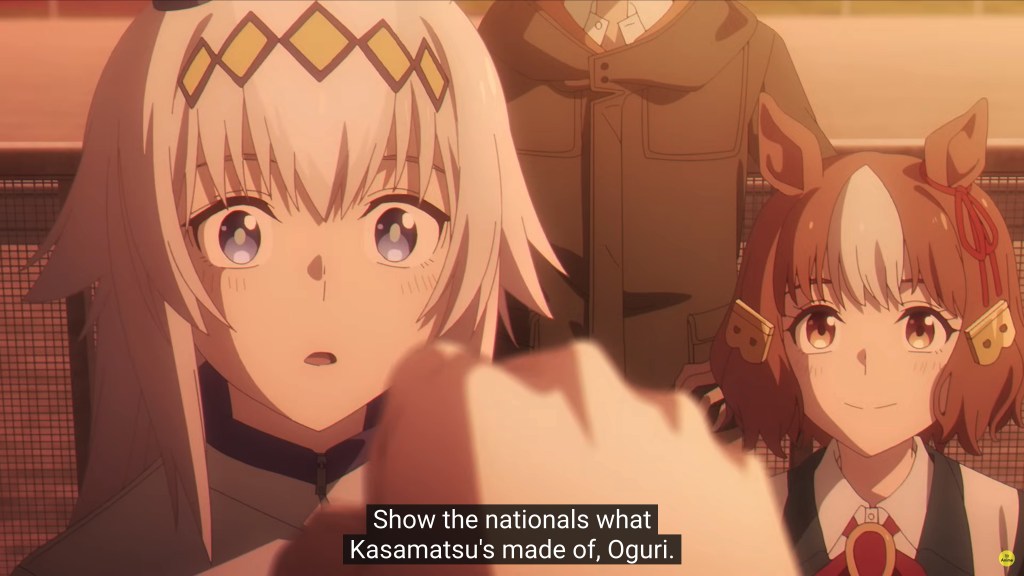
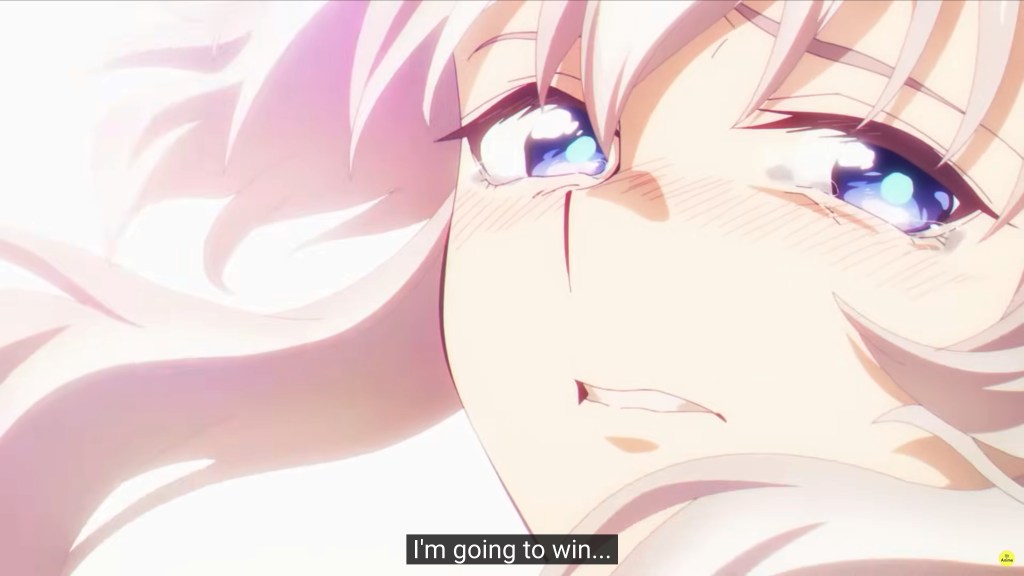
Objectively, this may not seem like a terribly difficult choice, but for Oguri, given her character and story up to this point, it is the most cruel dilemma he could set before her. She has found her sense of purpose with Kitahara, whom she has grown to trust and whom she wants to make happy with her running, just as she does for her mom. Oguri has also promised to race the Tokai Derby with her classmate, Fujimasa March, with whom she has a friendly rivalry (well, friendly on her side at least!). In other words, Oguri’s entire world and sense of being revolve around competing in the regionals. But to stay, she would have to betray her very nature, which is to run with everything she has at every race. You see, there was a time when she could barely stand, let alone run, but through her mom’s faithful ministrations and her own determination, Oguri learned to stand, to walk, and then to run. So every race for her is a miracle—and to her, those for whom and with whom she races are just as precious.
Kitahara’s ultimatum hits Oguri where it hurts. It’s not just that Kitahara is abjuring his responsibility as her trainer to make tough decisions with her best interests at heart. It’s worse than that. By leaving things up to “fate”—and implicitly, to whether or not Oguri will throw the race—Kitahara is seeking to manipulate her to keep his dream alive, and he’s also showing that he doesn’t trust her, or even really know her. At best, he’s fooling himself and pretending that he hasn’t just placed a millstone on Oguri’s shoulders (or rather, chains around her legs) by shifting the responsibility for this crucial decision onto her alone and at such a high cost—either Oguri disappoints him and her friend, or she betrays herself.

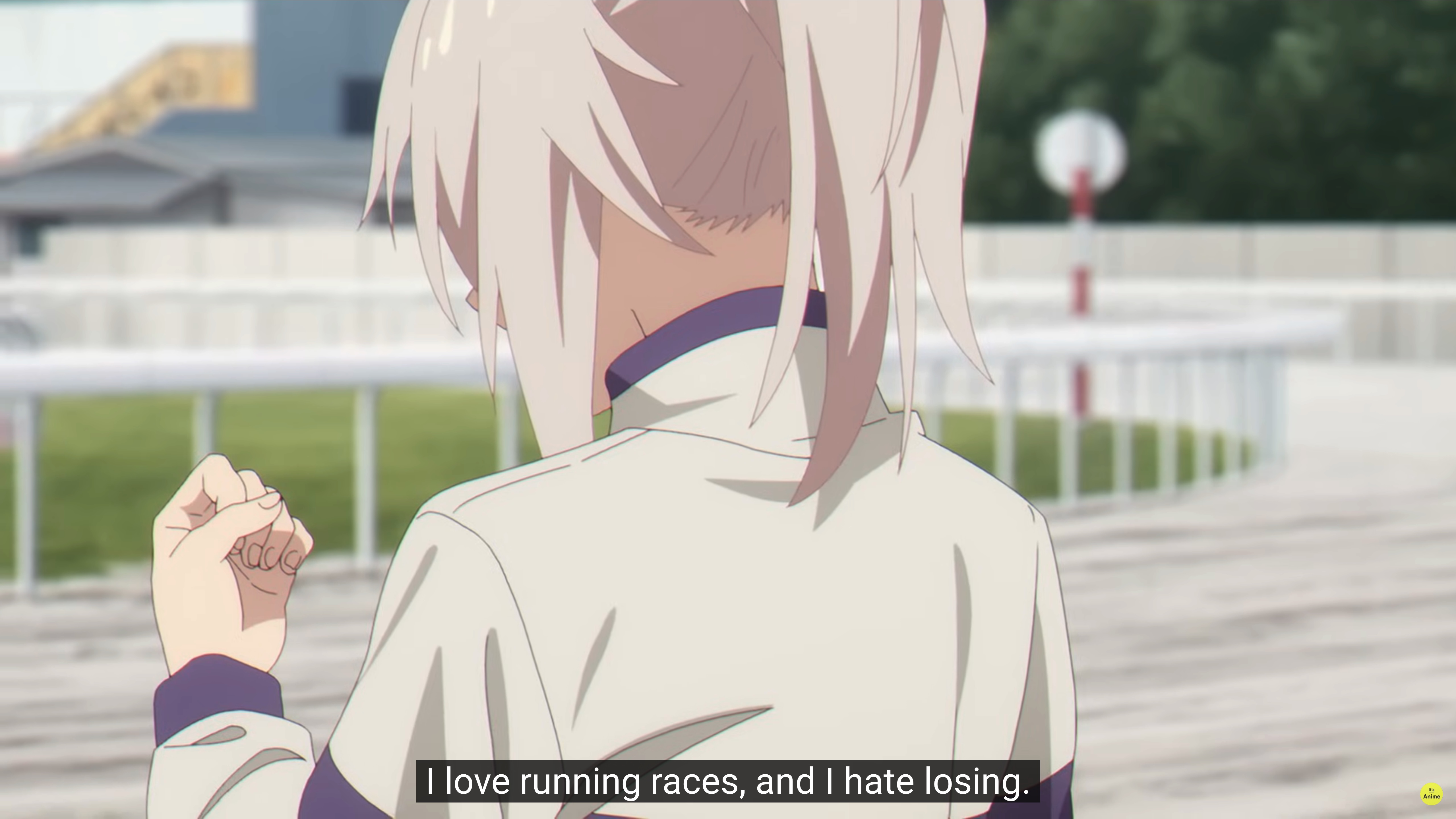
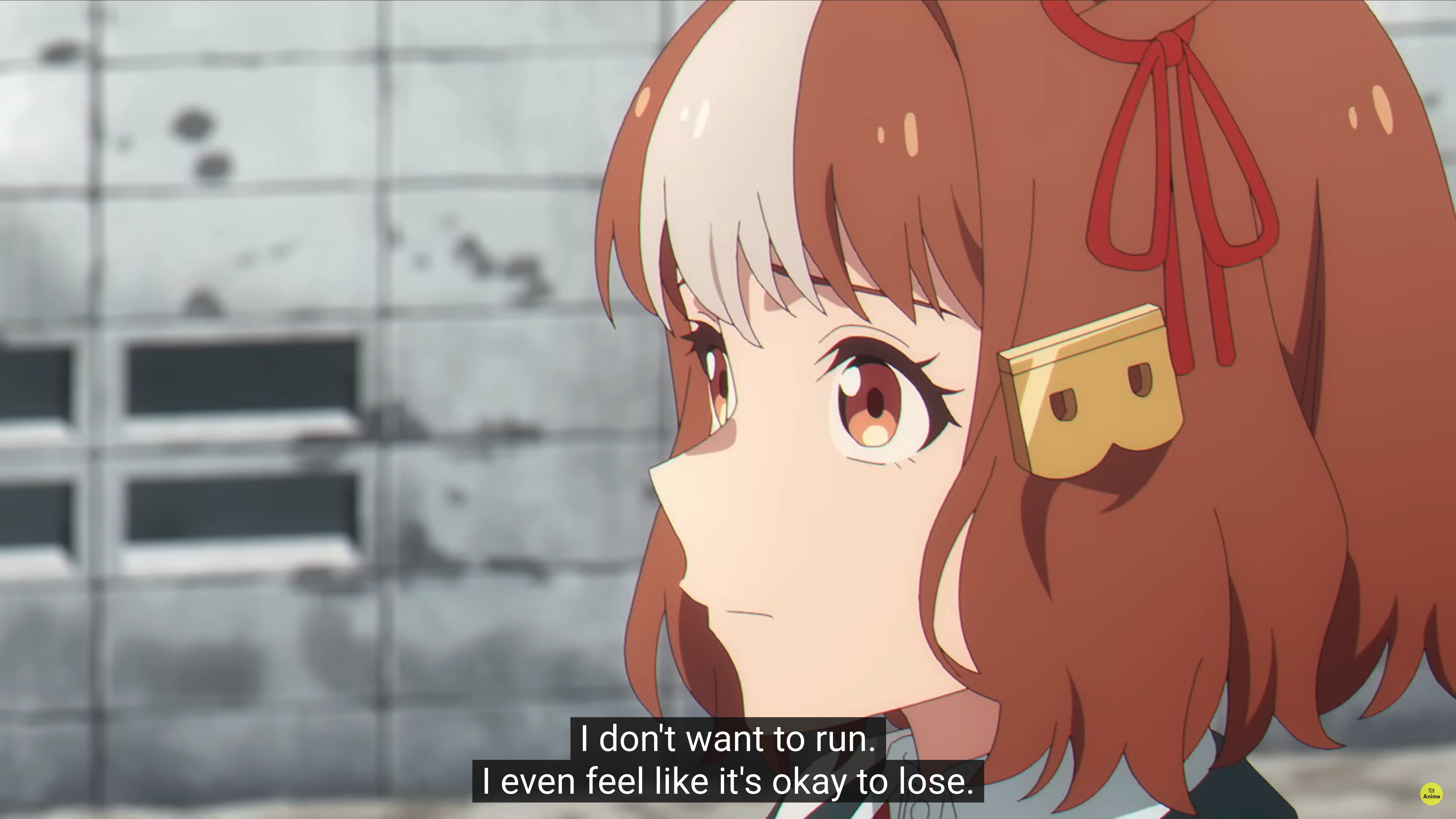

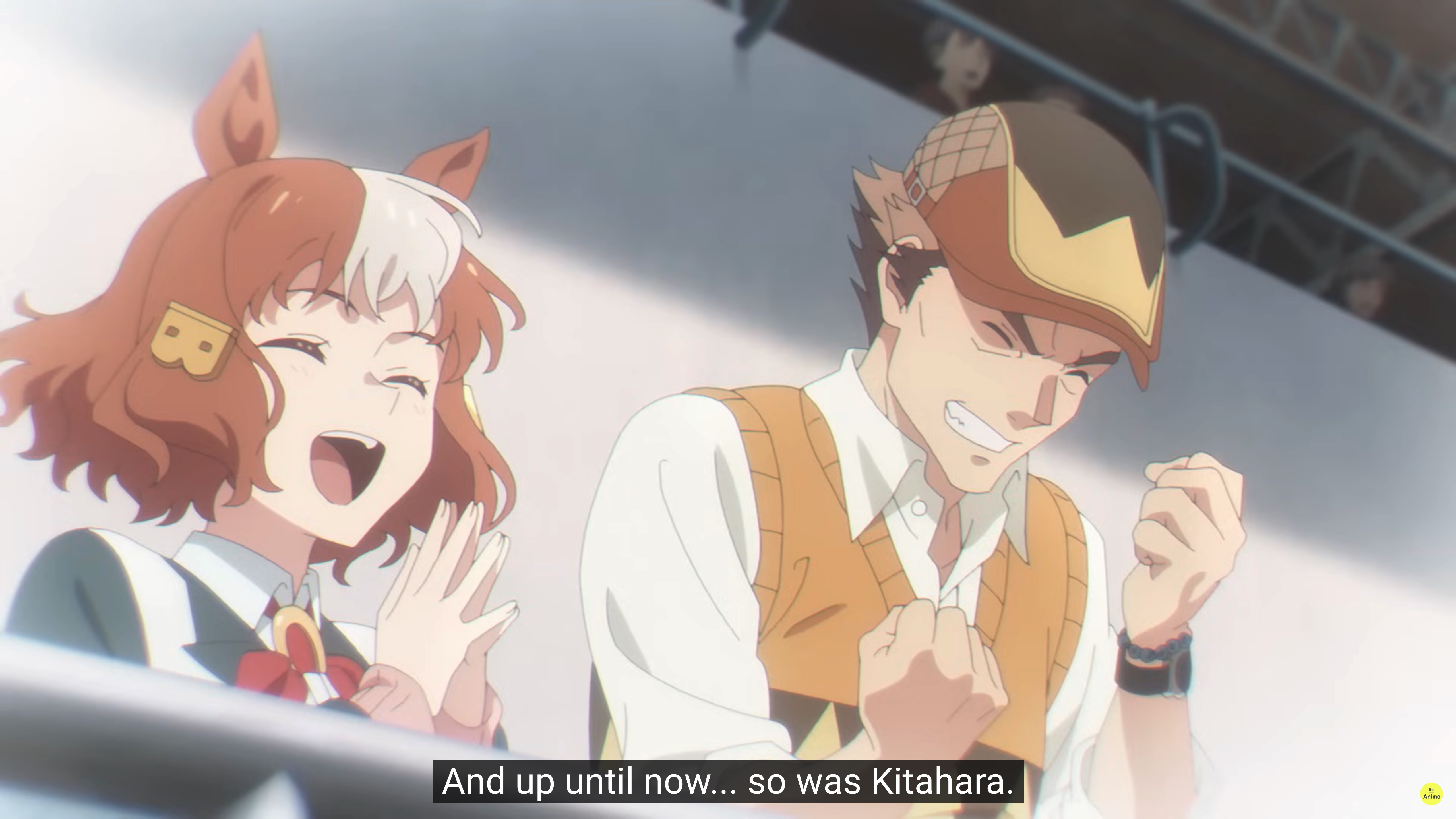

This reminds me of one of the most harrowing stories in the darkest book of the Bible, the story of Jephthah in Judges 11-12 and his unholy vow. (Shoutout to BtT writer Michel for reminding about him recently!) It’s not a perfect parallel, but there are a few similarities worth contemplating. Like Kitahara, Jephthah sought to manipulate someone in order to see his dream of becoming a victorious military leader come true, but it wasn’t a horse girl; it was God himself. (Jephthah had some insecurities due to his upbringing and was desperate to prove himself.) Before going out to war, Jephthah vowed that if he defeated the enemy, he would offer as a sacrifice the first living thing that greeted him upon his return home. A very odd vow, even on the surface; but it was downright ungodly when we think about its assumptions, never mind its ultimate outcome: Tragically, it was his daughter who ran out to greet him, and ultimately, he sacrificed her, profaning the name of God.
There’s a lot to unpack here. More than just manipulation, Jephthah’s vow demonstrates that he neither knew nor trusted the One to whom he made his vow, that is, God. By the time the Israelites reached the era of the judges, they had a very long track record of going to war, both with God and without him. On the one hand, they had the accounts of his delivering them from Pharaoh and countless other enemies in recent generations, and giving them the land they now called home. On the other hand, they also had the stories of failed campaigns, when war leaders set off under their own steam rather than at God’s behest, and things went sideways until they humbled themselves and repented. What’s more, they also had a robust record of God’s views on sacrifice, and human sacrifice in particular, which he had outlawed in no uncertain terms.
In other words, the kind of “deal” Jephthah offered completely ignored who the God of Israel had revealed himself to be; instead, it was suited for a pagan god. Jephthah’s vow tried to put God in a box (“blood-hungry secret weapon”) and reduce him to something that could be controlled and deployed at will. But not only could God not be bribed in this way, he didn’t even need to be! That’s the tragedy here. He was already a faithful God to his people, and already sought to protect them, even when they didn’t deserve it. The fact that Jephthah subsequently sacrificed his own child—something God had explicitly prohibited among his people—rather than throwing himself upon God’s mercy for his hasty, arrogant vow, shows even more sharply just how little Jephthah knew God, let alone trusted him.
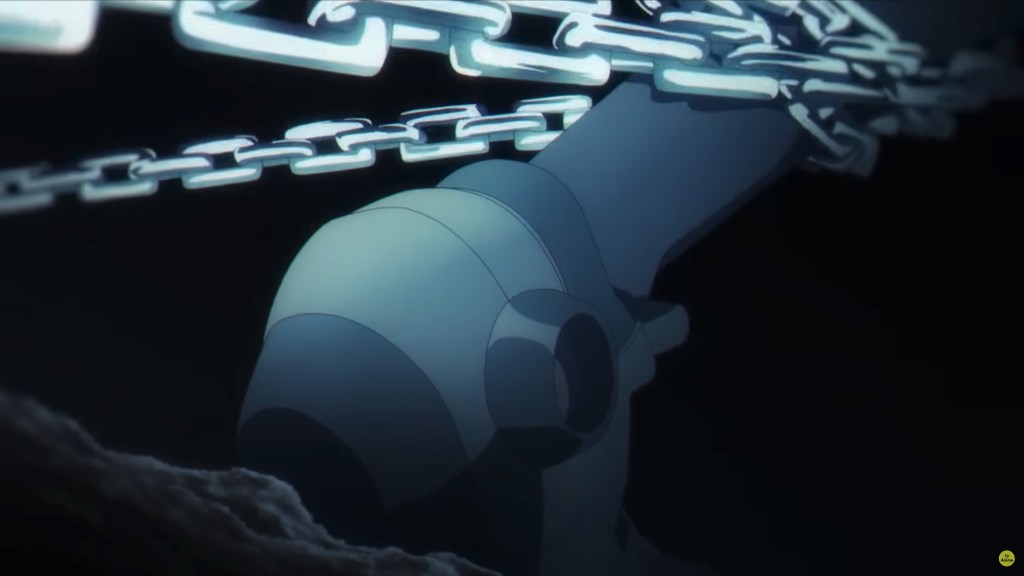

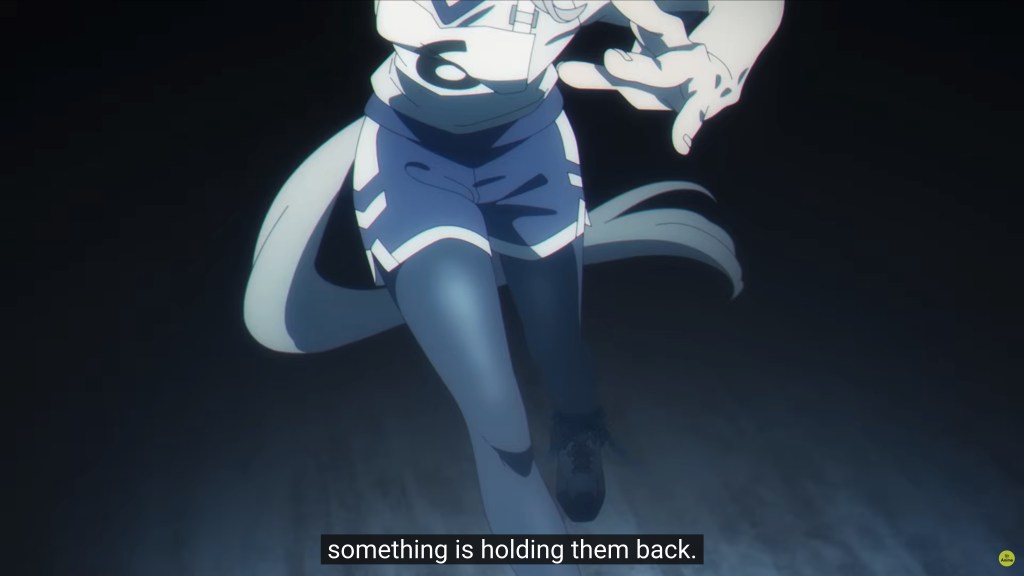
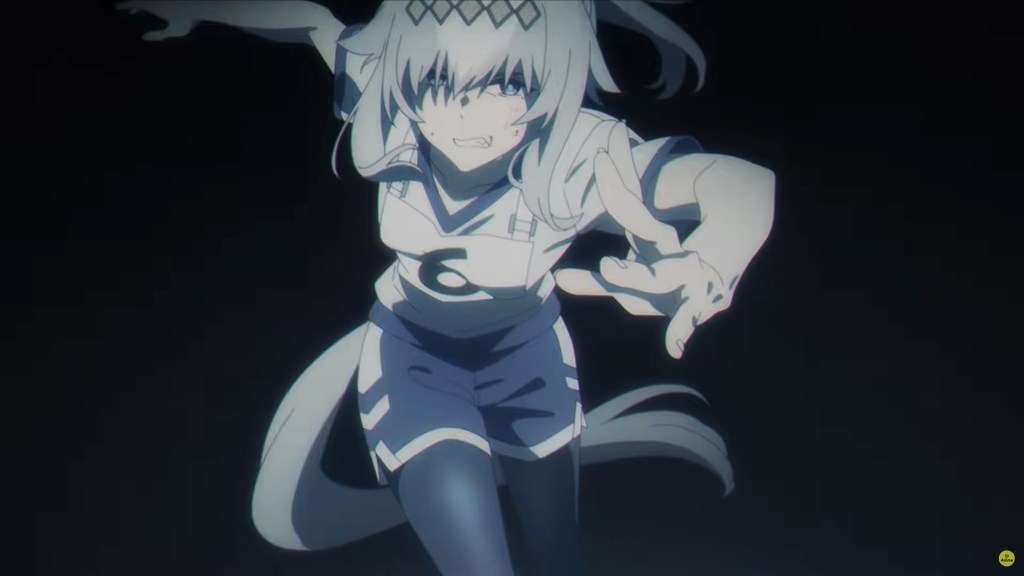
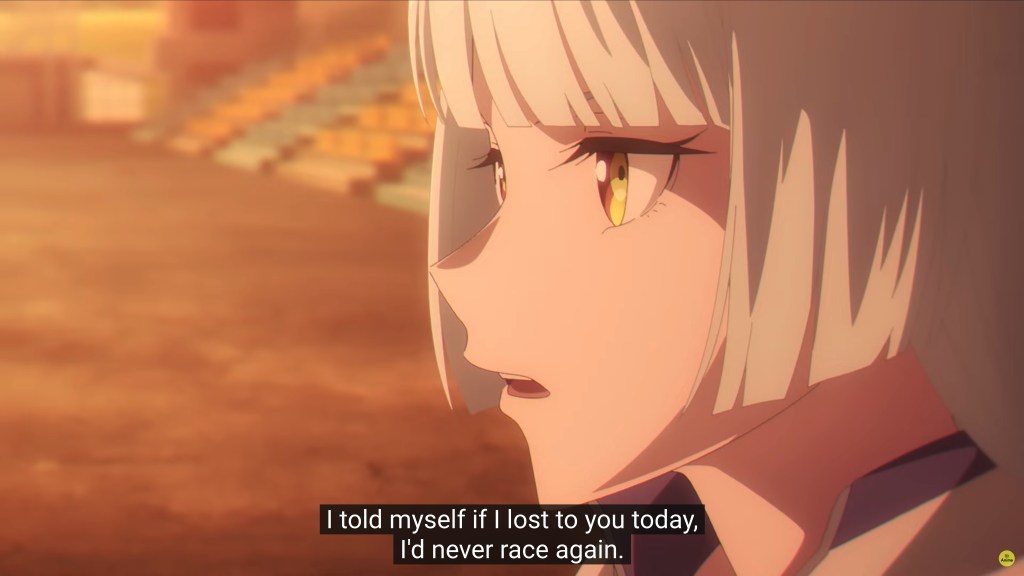
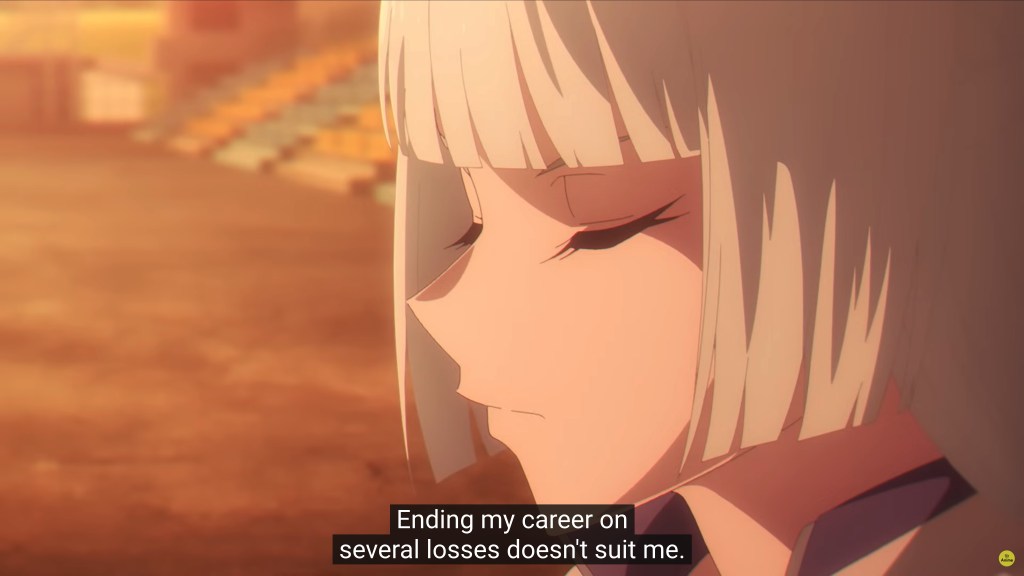
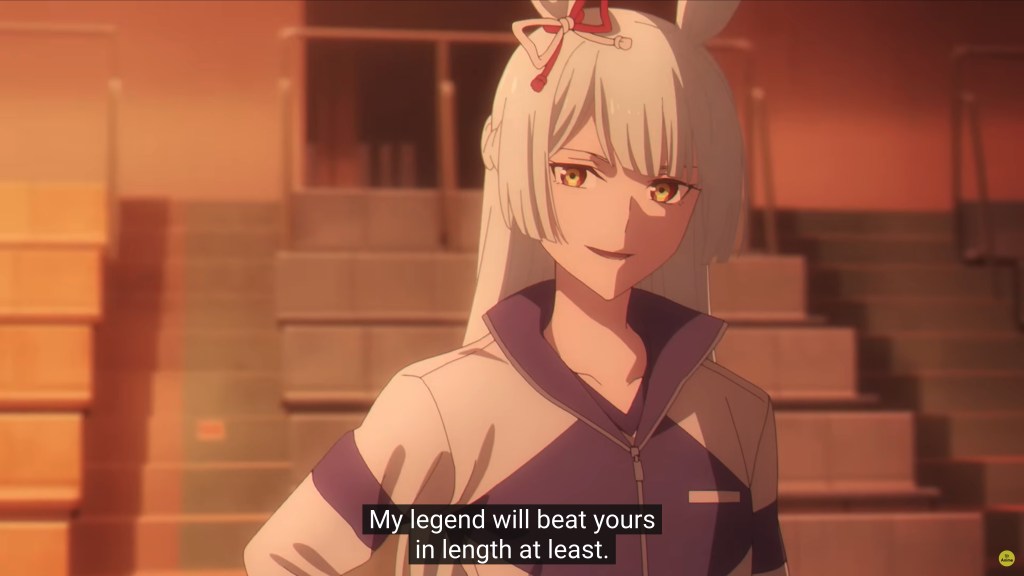
There’s another vow in Uma Musume, one that likewise is an attempt at manipulation and shows how little the one making the vow knows or trusts the one she seeks to control. Only this time, the ultimatum, from Fujimasa March, is targeted against herself. Although we don’t know it at the time, before the race, March vowed that she would never race again if she lost to Oguri. She is essentially bullying herself into achieving her dream, threatening herself with the ultimate punishment should she fail, and showing a complete lack of trust in and awareness of herself as she does so.
But there’s something else at work in all these vows—from Jephthah, Kitahara, and March. They are all fatalistic in one way or another, leaving key decisions to “fate” to determine, and ceding their agency to something or someone else. For Jephthah, it’s letting fate decide what offering he will make to God, which, at best, is a very lazy thing to do, considering that God had spoken at length about appropriate offerings and sacrifices if only Jephthah cared to mind his guidance. For Kitahara, it was letting the race decide his and Oguri’s fate, though of course, this meant leaving it to Oguri. Likewise, for March, she handed over the authority to decide her direction in life to another racer. In each case, they relinquish responsibility to actually make a decision, to choose life and not death for themselves. This is what makes these vows so unholy.
Fatalism, whether hinging on events and outcomes or on other people’s actions, is a rejection of one of the most precious and costly gifts God gave us: Our free will. Adam and Eve symbolically surrendered that free will and the God-given authority that came with it to the enemy, requiring the most costly rescue mission in history. Through Christ, we have regained the authority to freely choose, to make decisions that are not enthralled to the evil one. So we need to be mindful to keep our decision-making a journey of partnership and growing trust between us and God, without inviting some other authority into the mix, as with fatalism. I think this may be part of why Jesus exhorted us no longer to swear oaths, bringing stars and moons and our mother’s lives into our promises, since we cannot control these things, meaning that we symbolically give over our agency to them to prove our sincerity on our behalf, which is an expression of fatalism. Jesus tells us instead simply to let our “yes” be “yes,” and our “no” be “no,” warning that “anything beyond this comes from the evil one.”
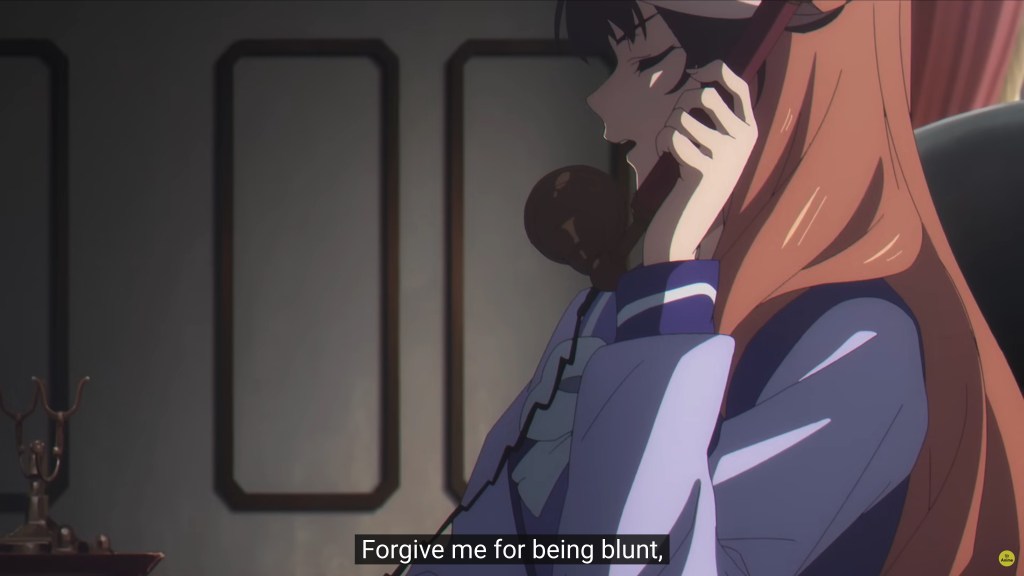

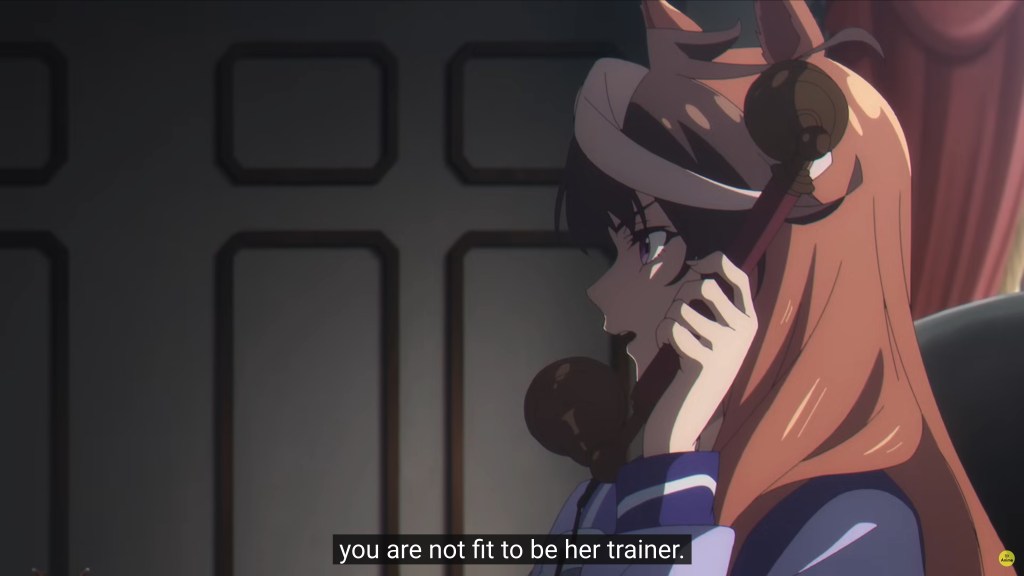

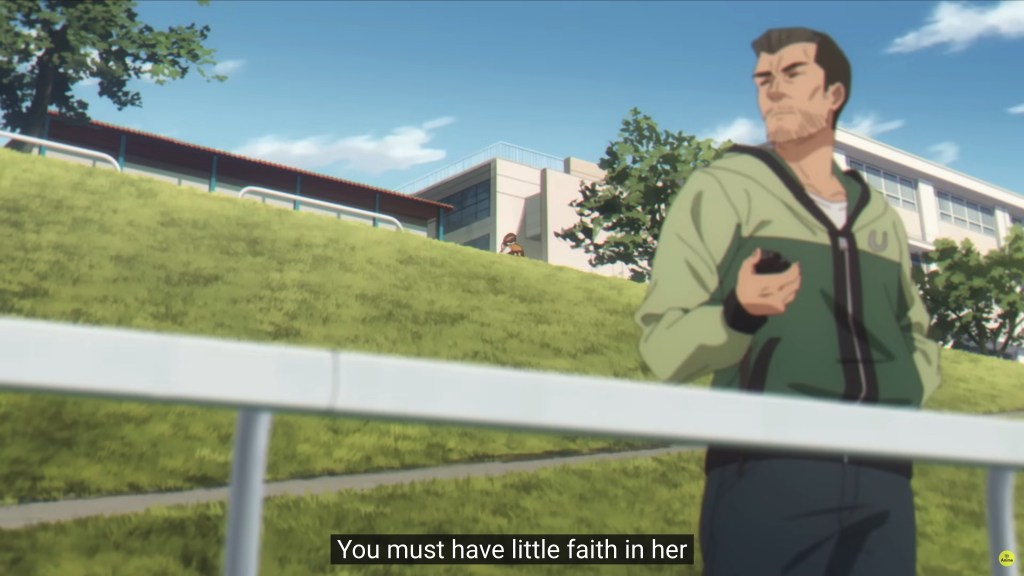
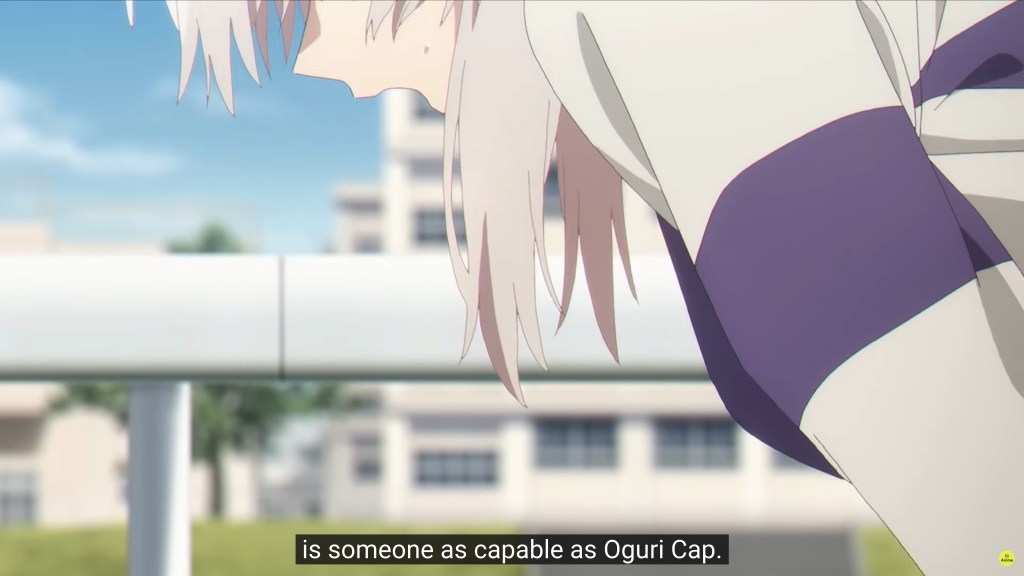
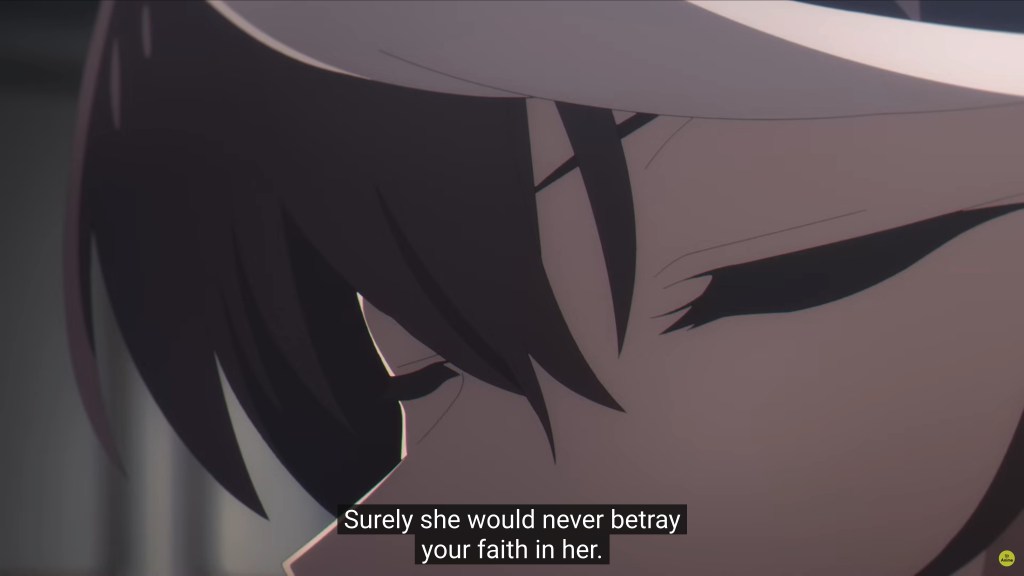

I don’t know about you, but I can really relate to both Kitahara and March (and maybe, in the most general sense, Jephthah, though that dude just got so much wrong!). Sometimes, out of fear and a desire to stay in control, I seek to limit God the way Kitahara sought to do with Oguri, and March with herself; I put him in chains of my own making, to confine him to a limited set of possibilities because I’m intimidated by his profound otherness, by the fact that he is bigger and better and altogether more than I can wrap my head around, and the fact that he is not beholden to me or my approval in how he weaves my dreams and my destiny in his cosmos. Like Kitahara, I can at times refuse to act or make decisions, and pretend as if I’m waiting for God to determine my fate instead—a kind of Christianese version of fatalism, as it does not involve actual communion with and surrender to God. And sometimes, like March, I try to achieve what I think I should be capable of by bullying myself, and become frustrated when I see how easily the things that elude me seem to come to others.
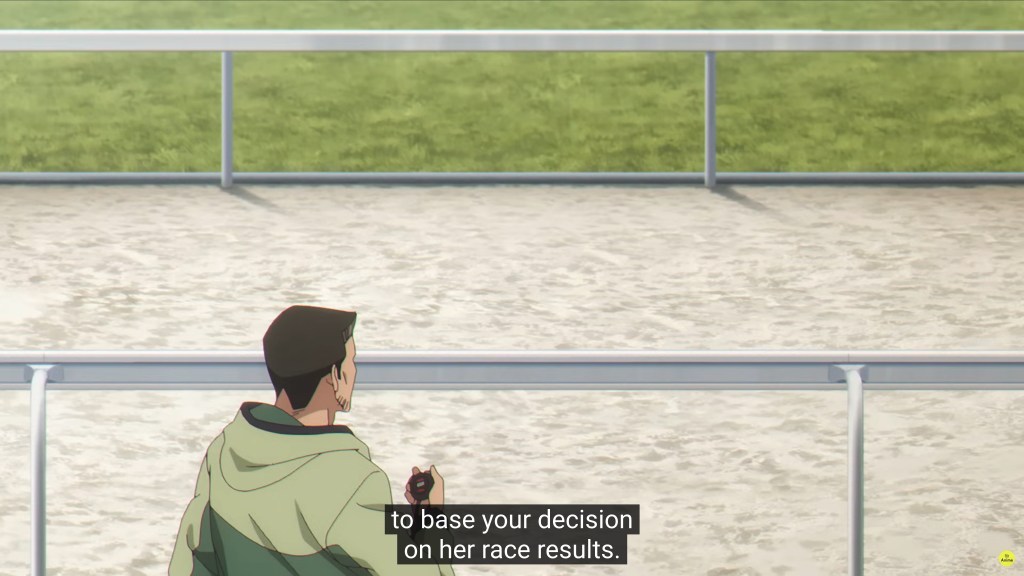
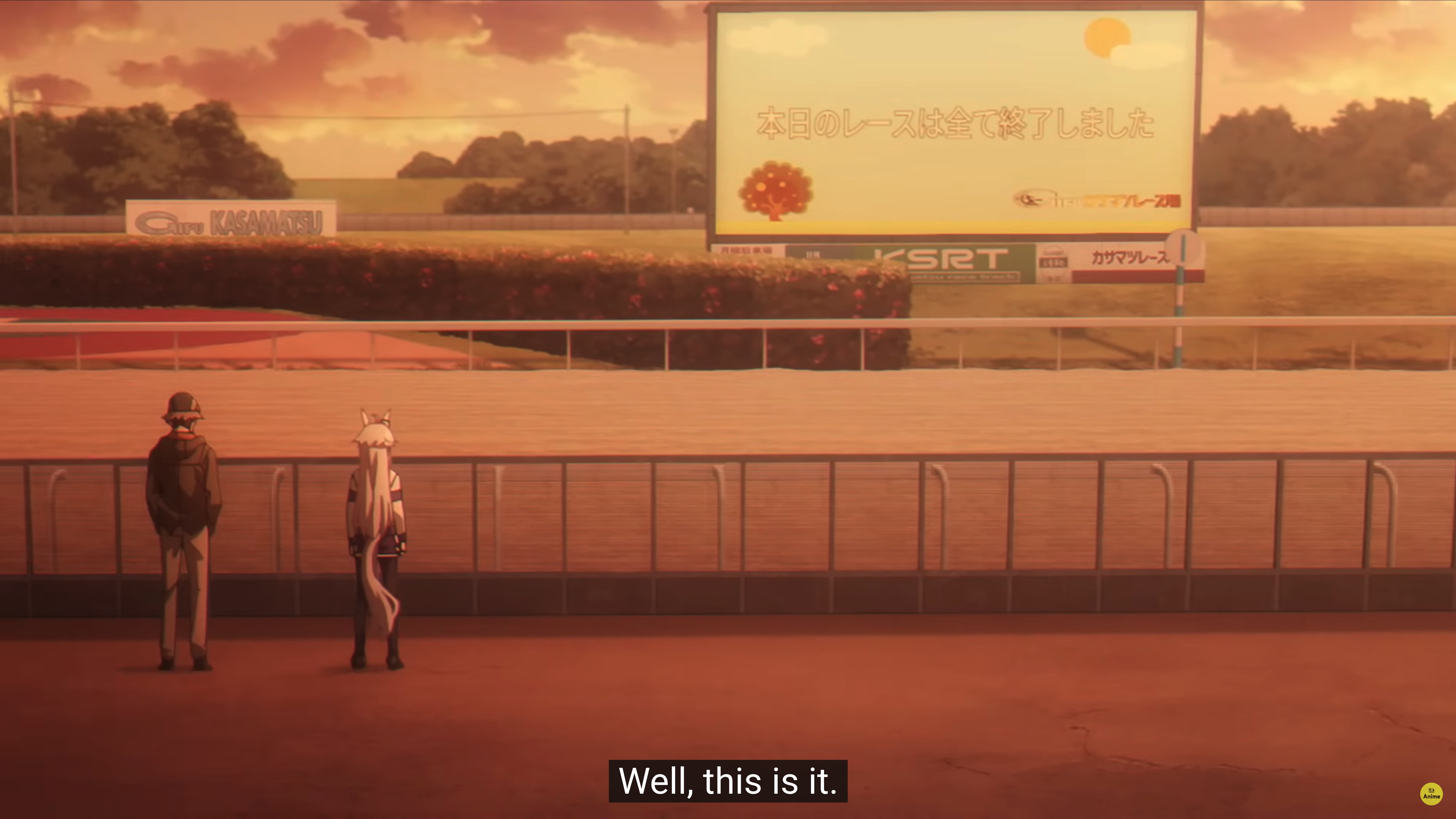
Thankfully, neither Kitahara’s nor March’s story ends with their misplaced vows, and nor does ours need to. By the conviction of the Holy Spirit in the form of his brusque uncle and fellow trainer, Roppei-san, Kitahara finally acknowledges the error of his ways. He actually knew all along that he was in the wrong, admitting as much to himself upon the occasion of a sunset soliloquy, and mooning about remorsefully in a montage of silent, atmospheric shots as Oguri prepared for the race. (Truly, the storyboarding is glorious in this episode.) He just lacked the courage and perspective to set things right any sooner.
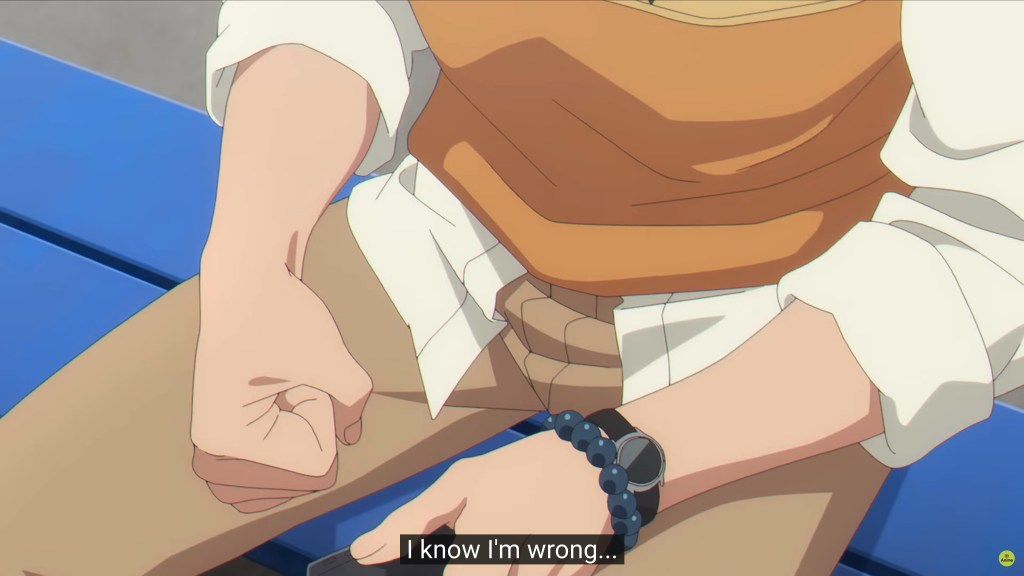
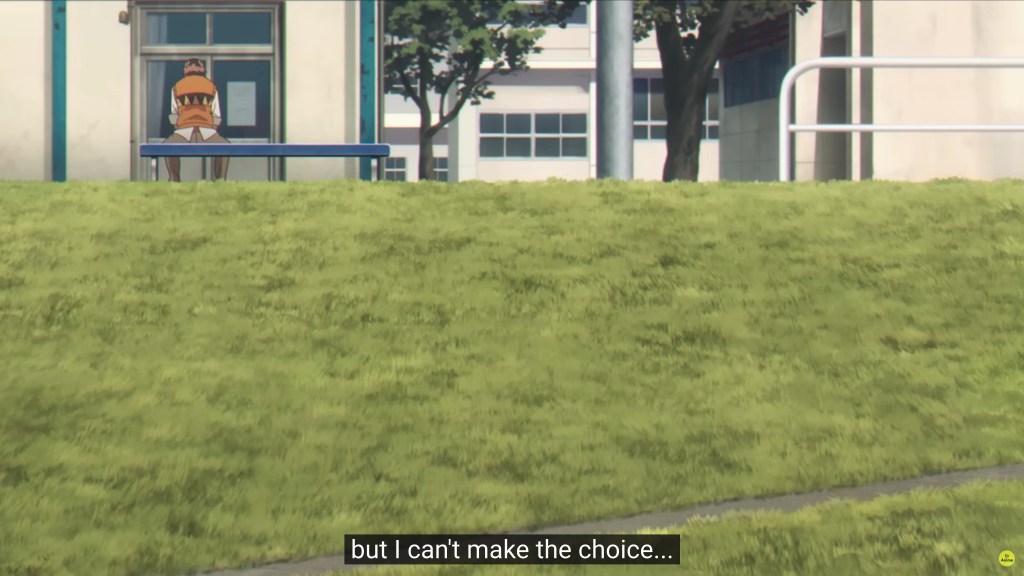
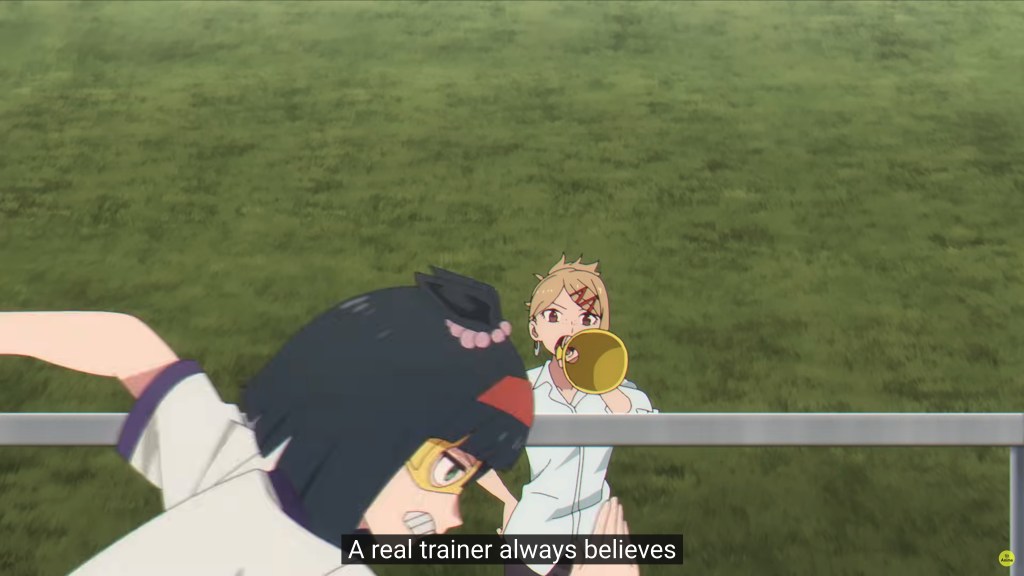
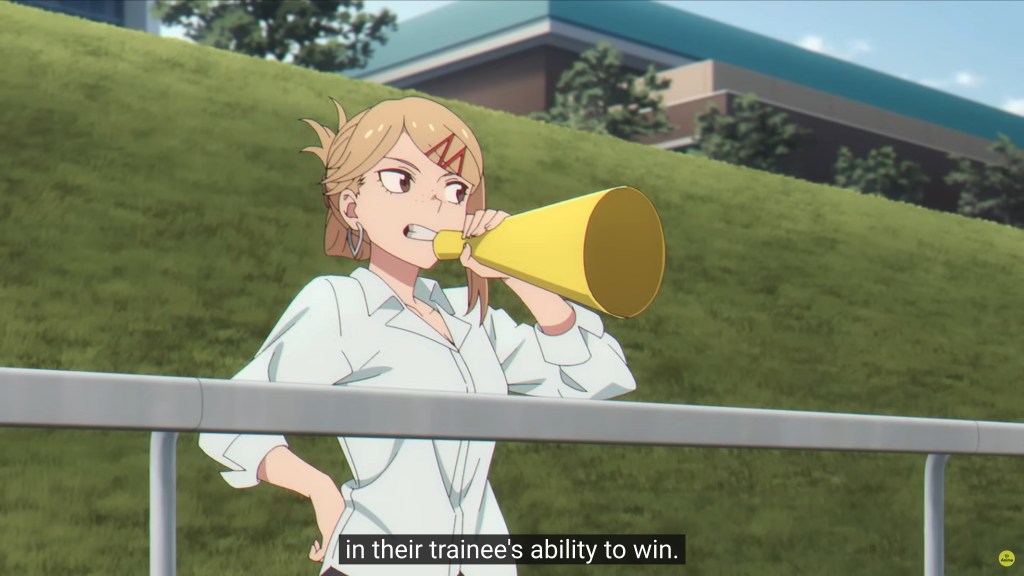
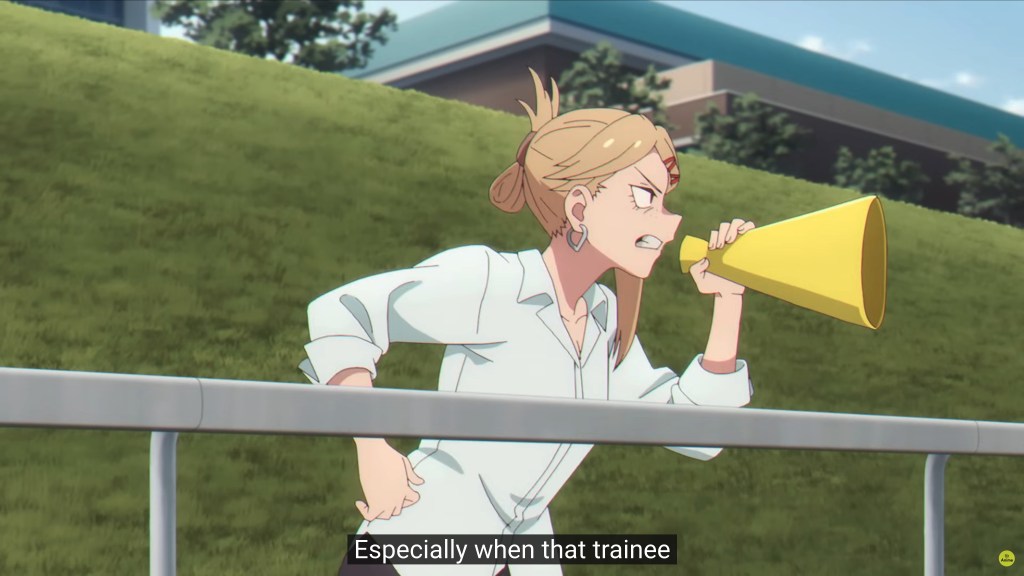
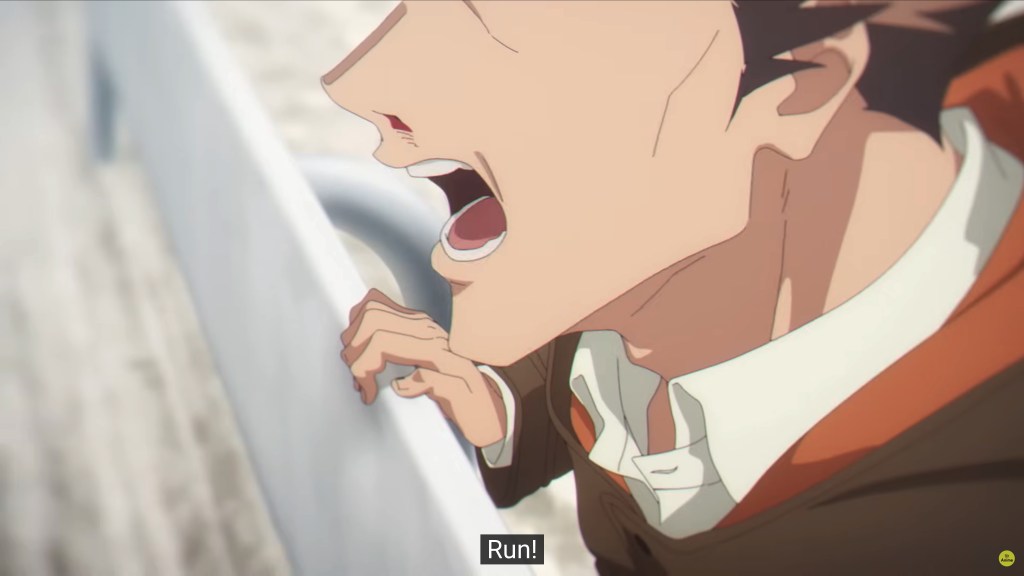
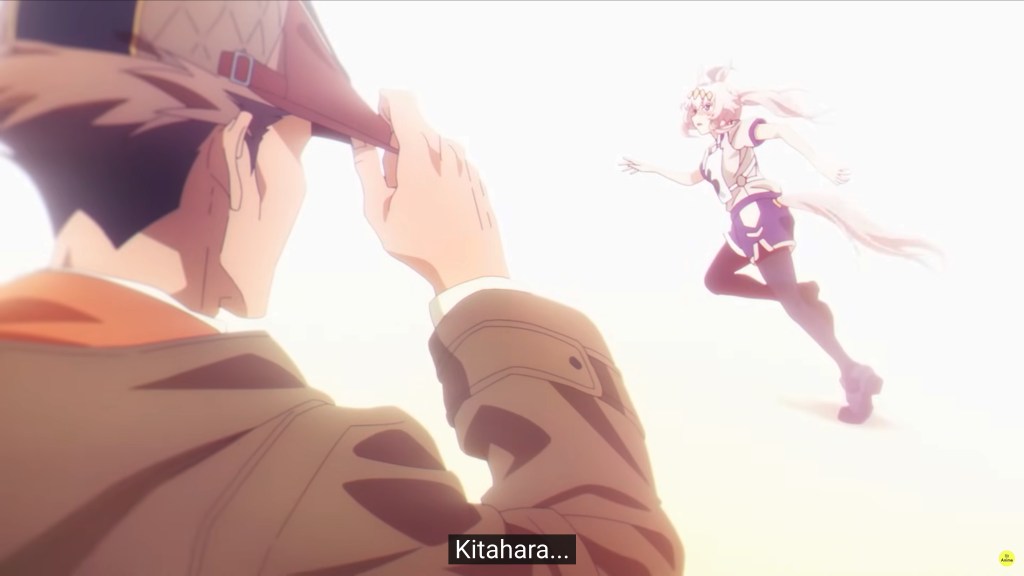
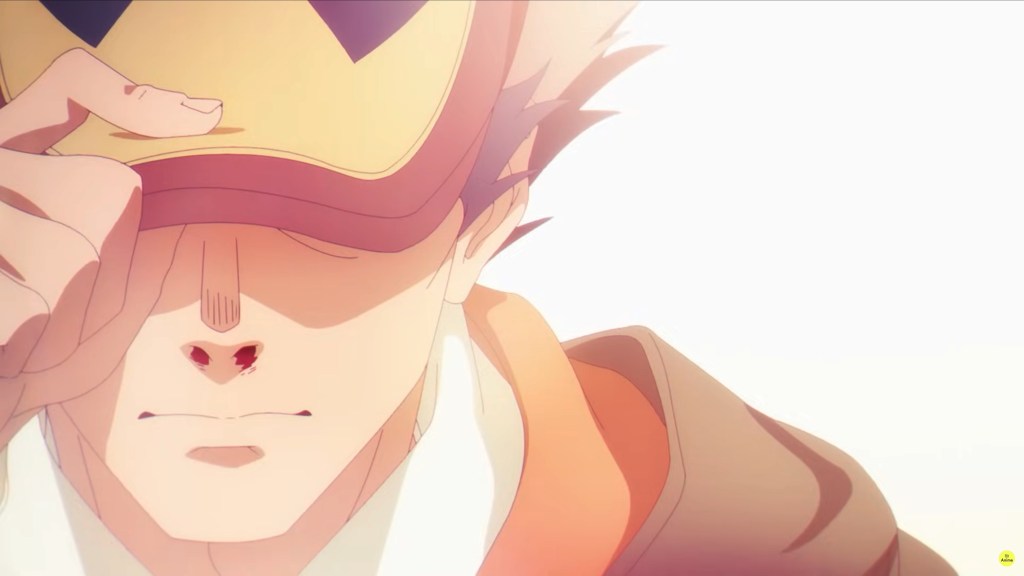
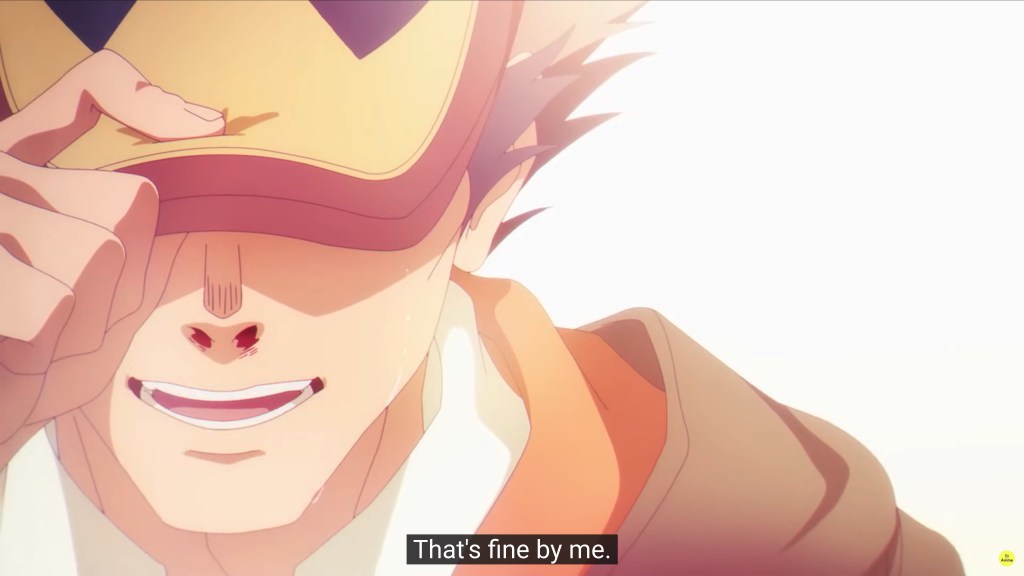
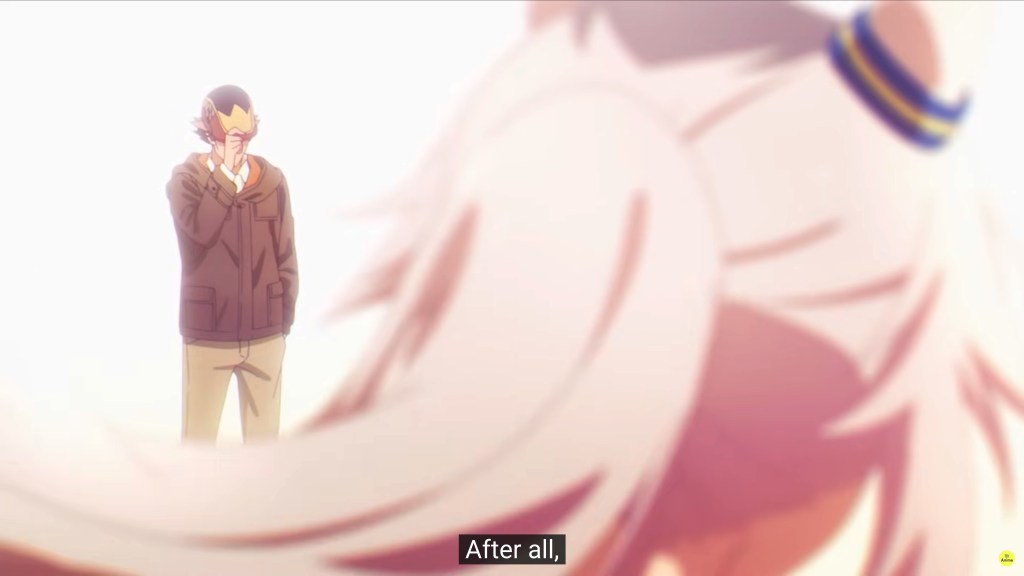
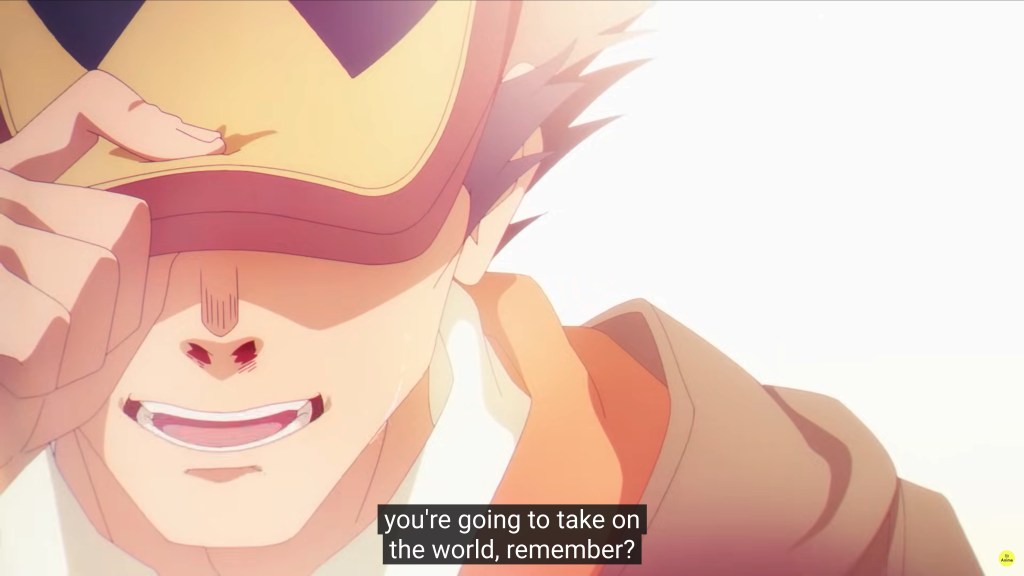
But when Roppei-san literally lifts his downcast, self-pitying head during the race and forces him to see Oguri as she is, and the effect his non-decision has had on her, Kitahara is moved to action, and he does what all of us so need to do whenever we find ourselves in a similar situation: He runs to God! Er, I mean, to Oguri Cap! (Remember what I said about comparing God to a horse girl?) In repentance, he races to her as she is rounding the final bend and cries out for her to run with all her might! That is to say, he blesses her to do her will, to be true to who she is, to let her nature run free even though it means that he will not be able to contain her and he will need to let go of his dream. And just so, do we need to bless God to be who he is in our lives, especially when it seems that our dreams—even our God-given ones—are falling by the wayside.
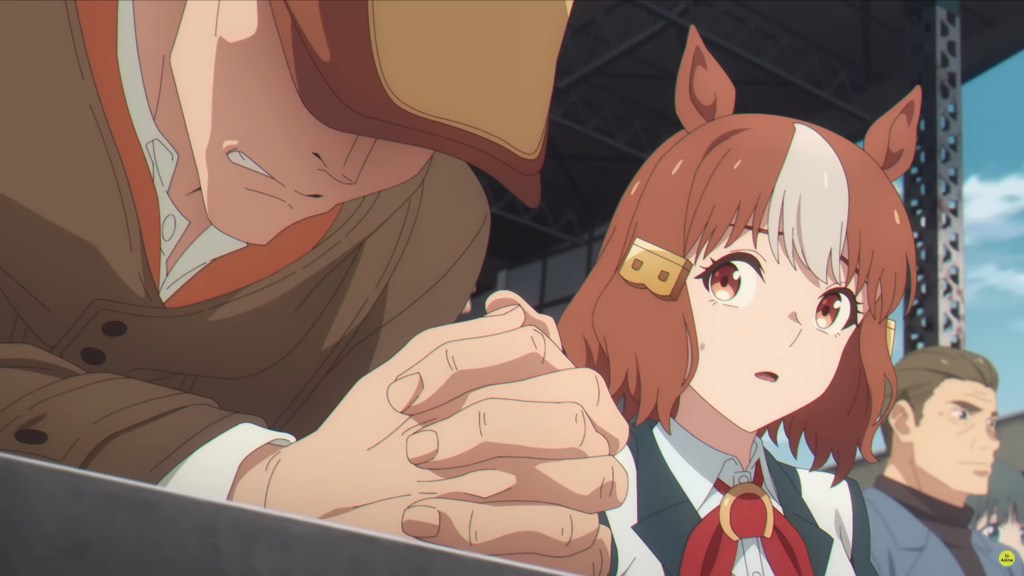
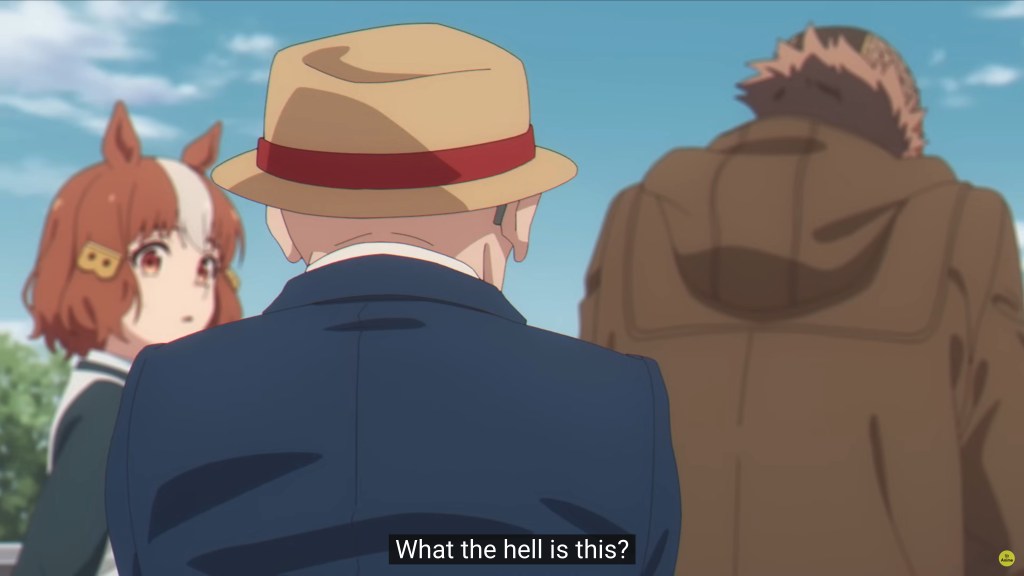
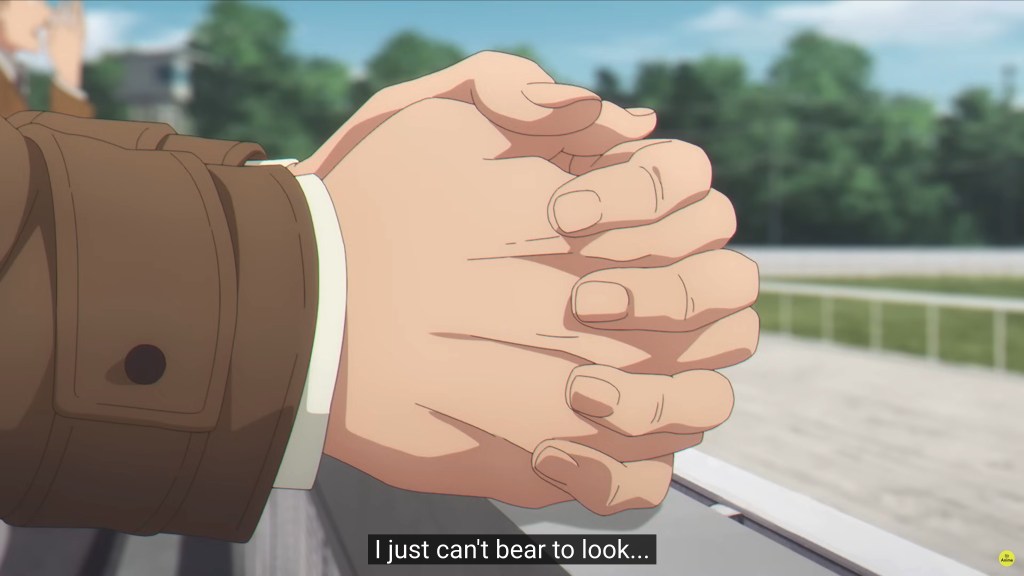
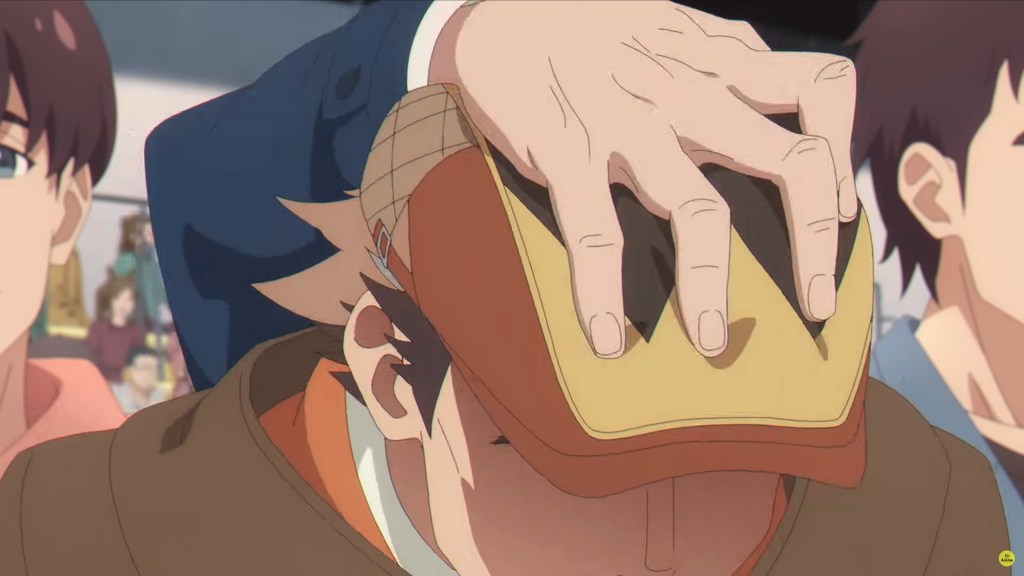

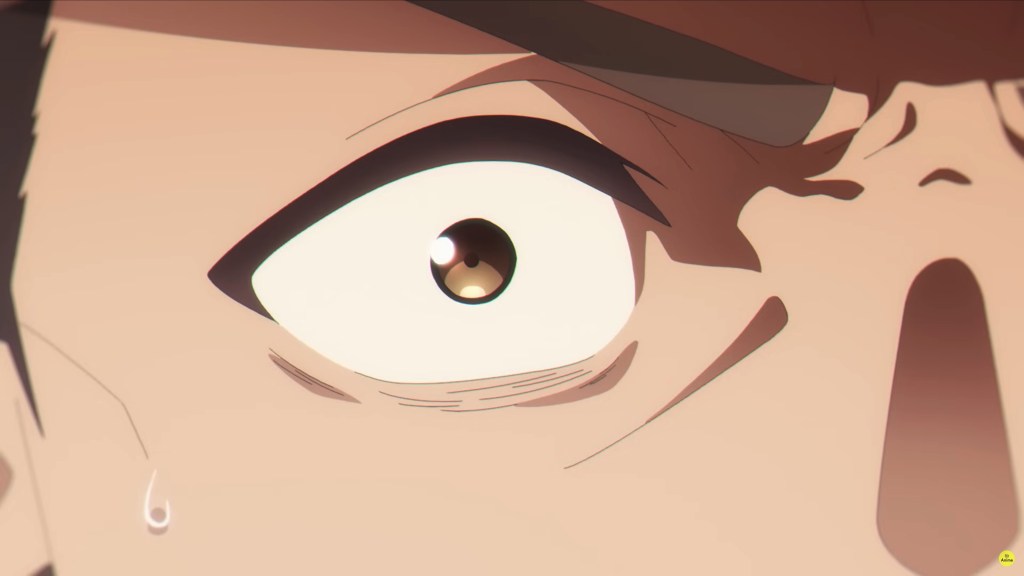
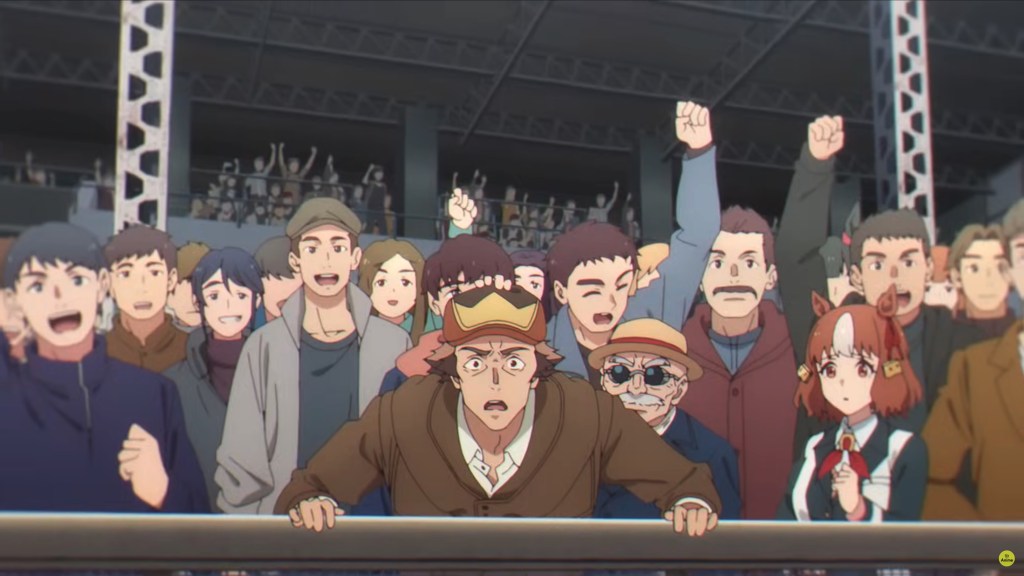

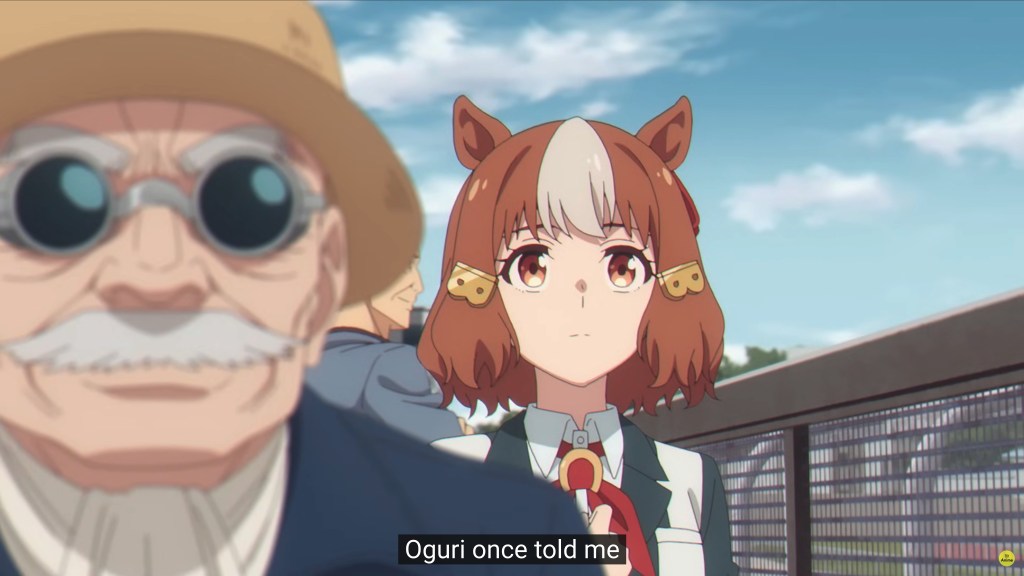
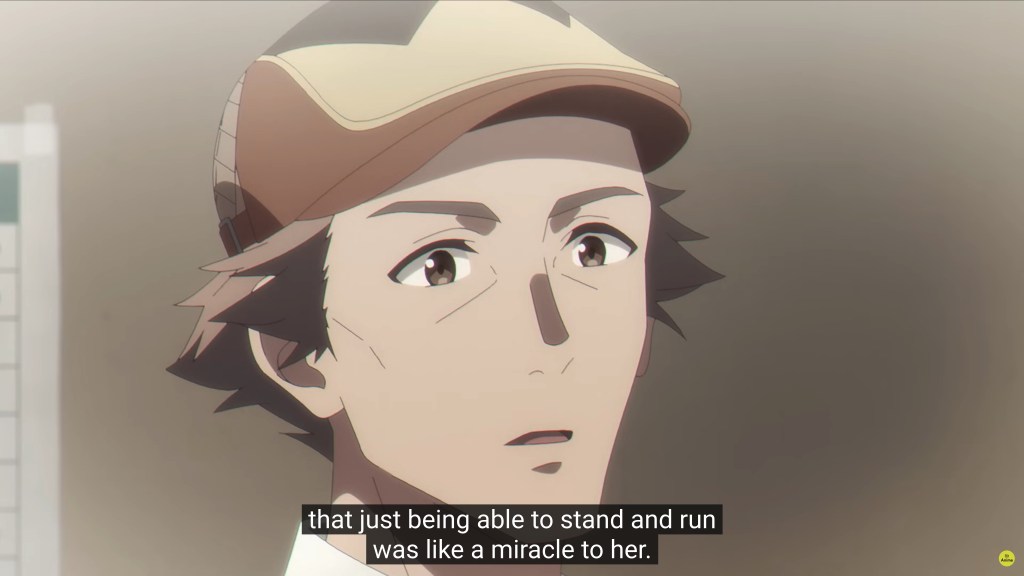
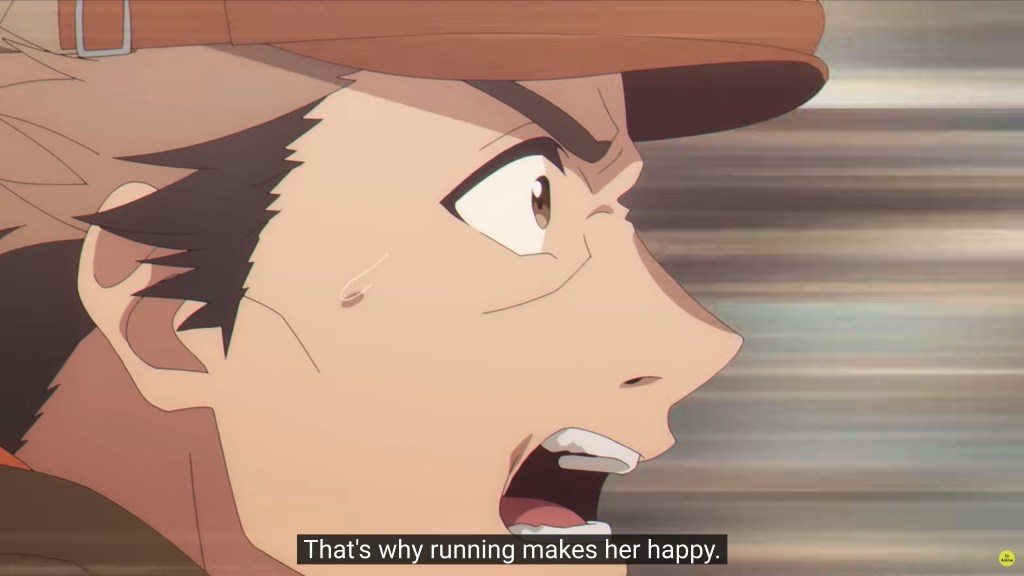
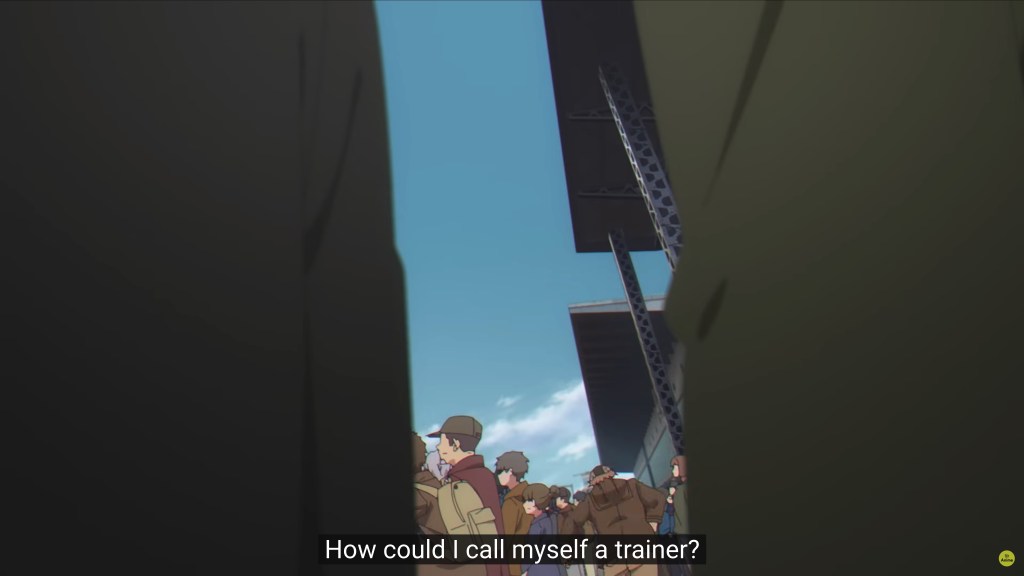


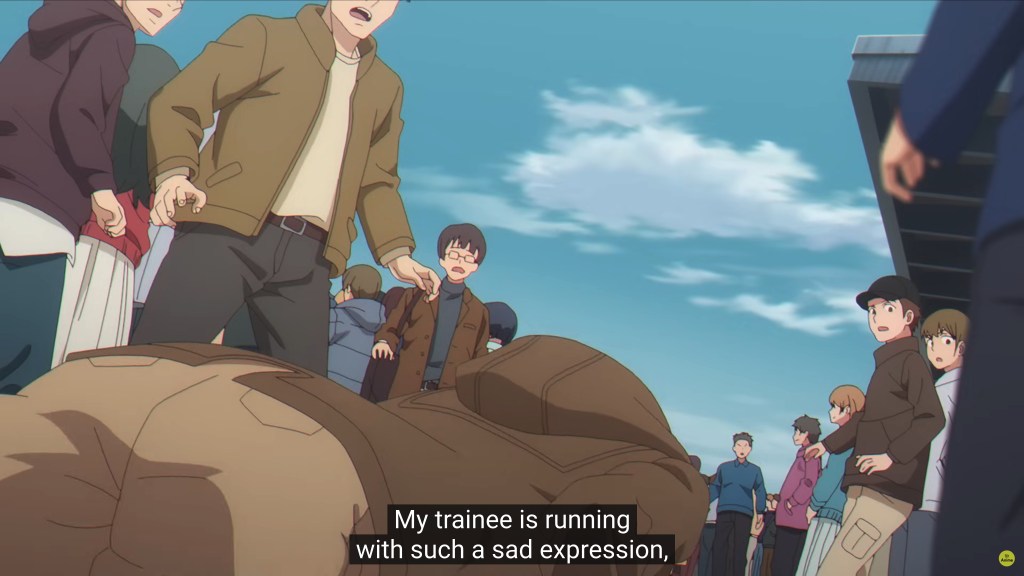
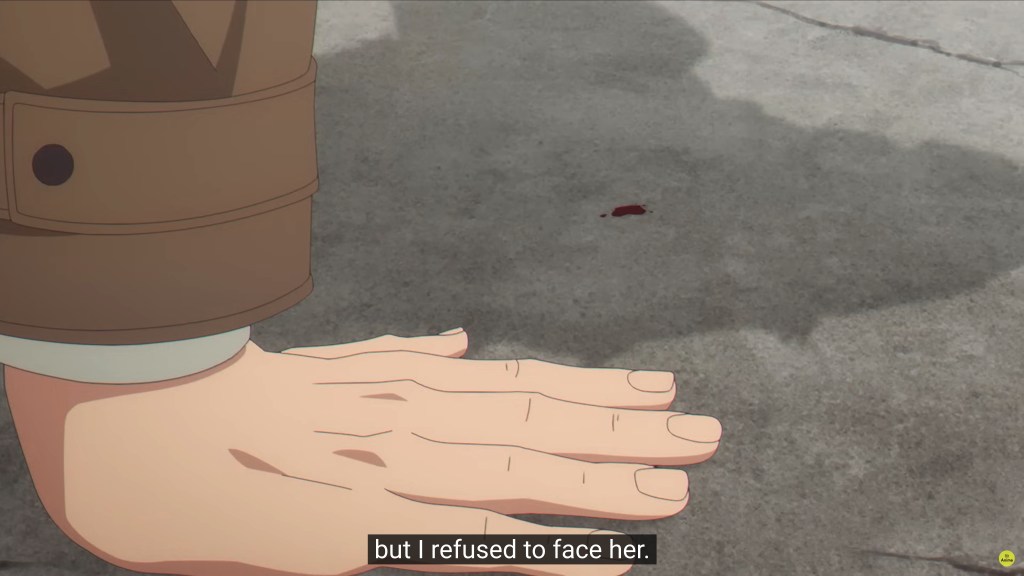
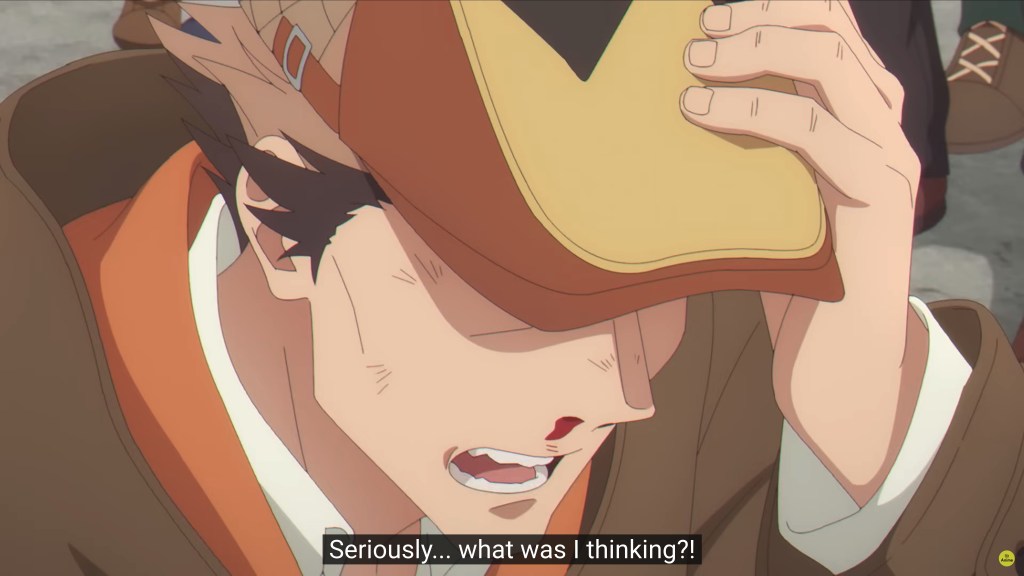
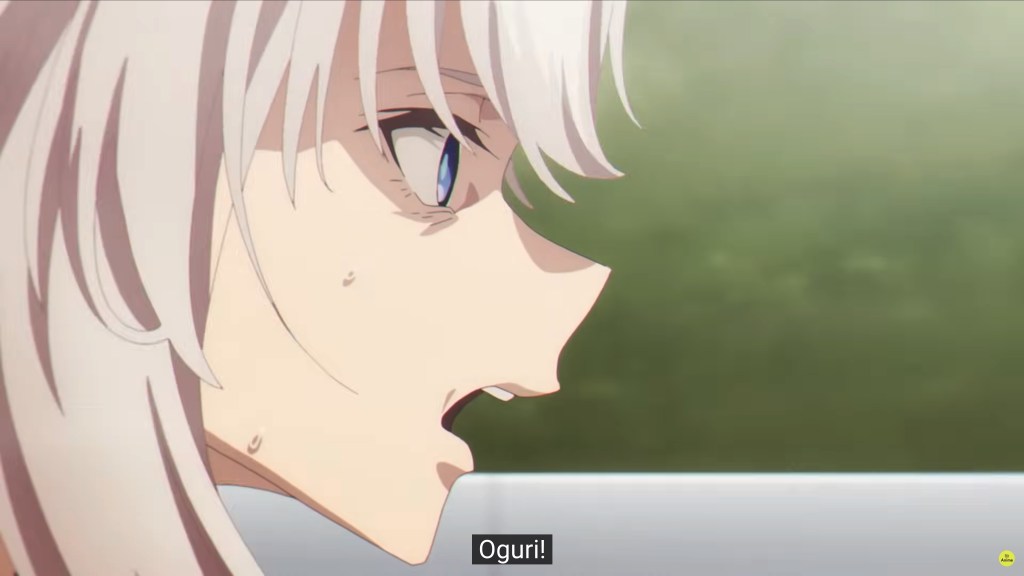
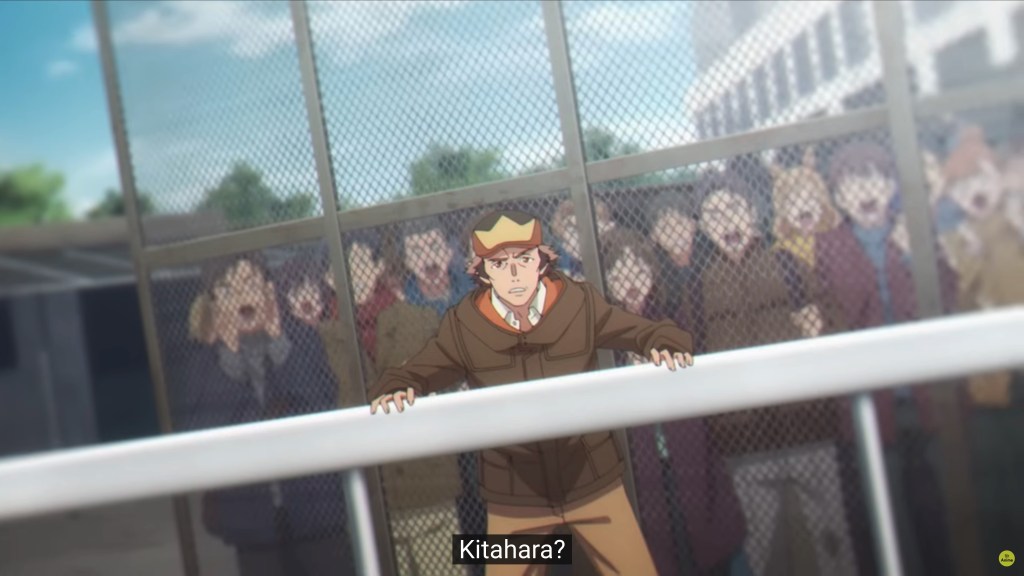
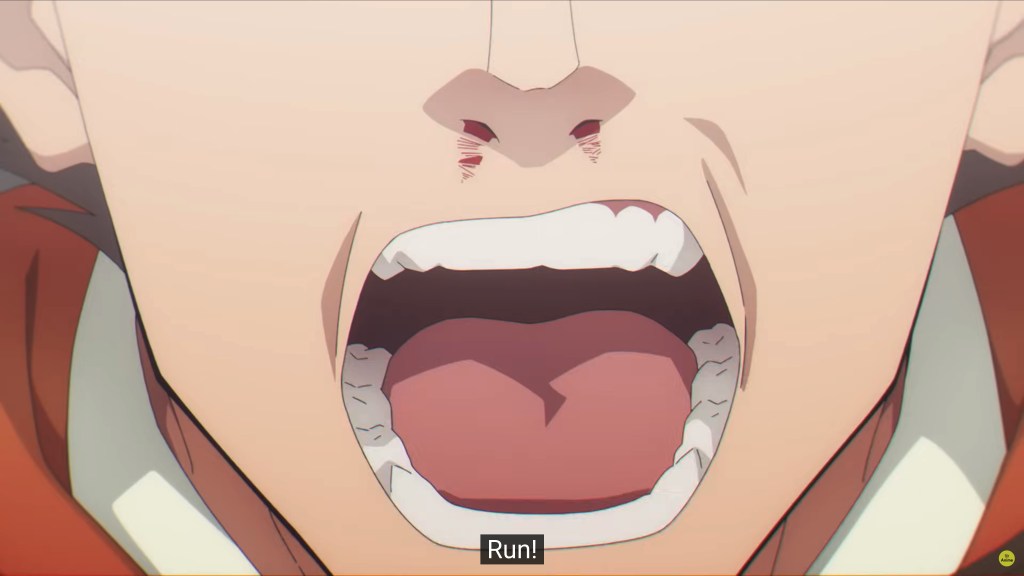


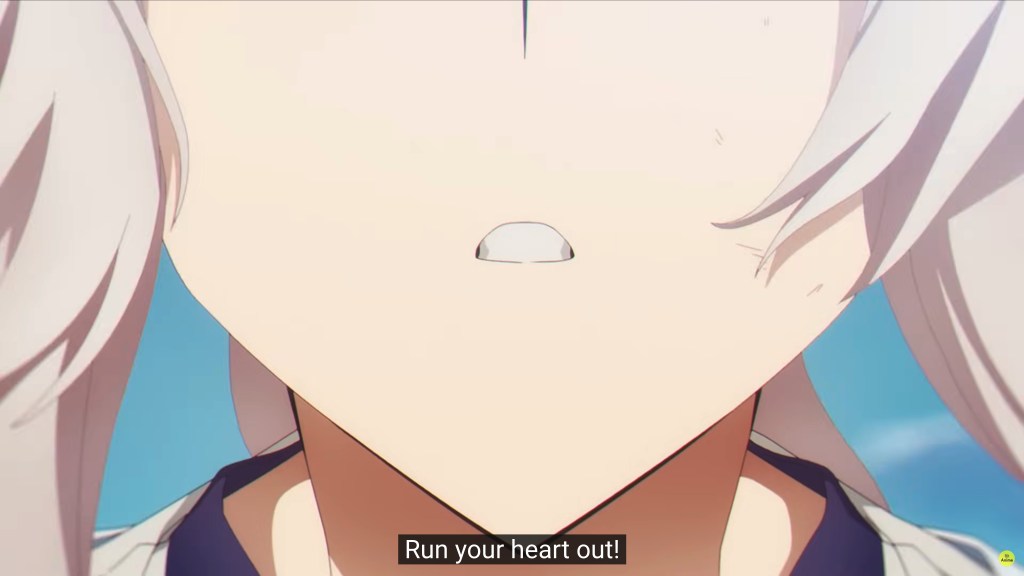
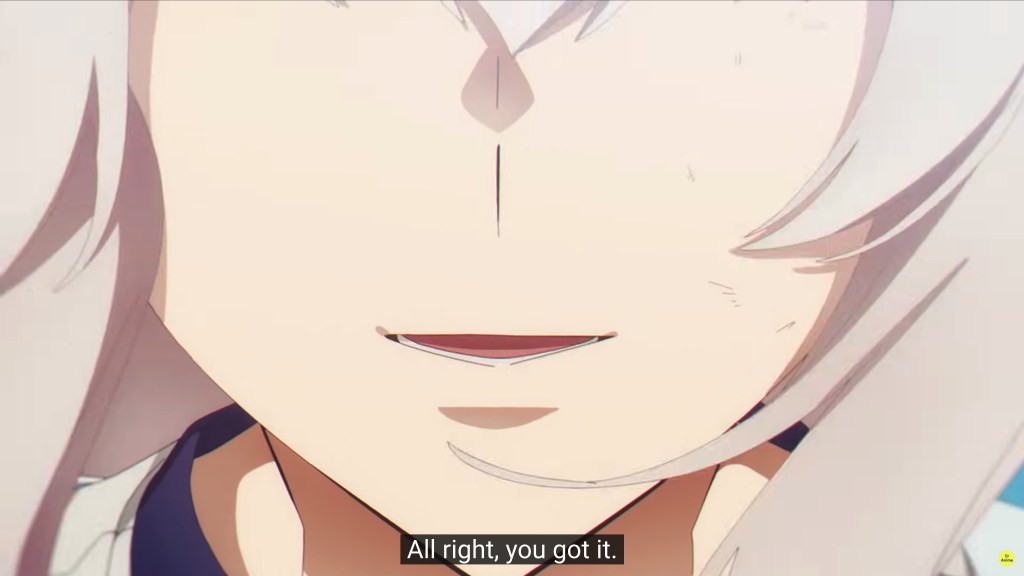

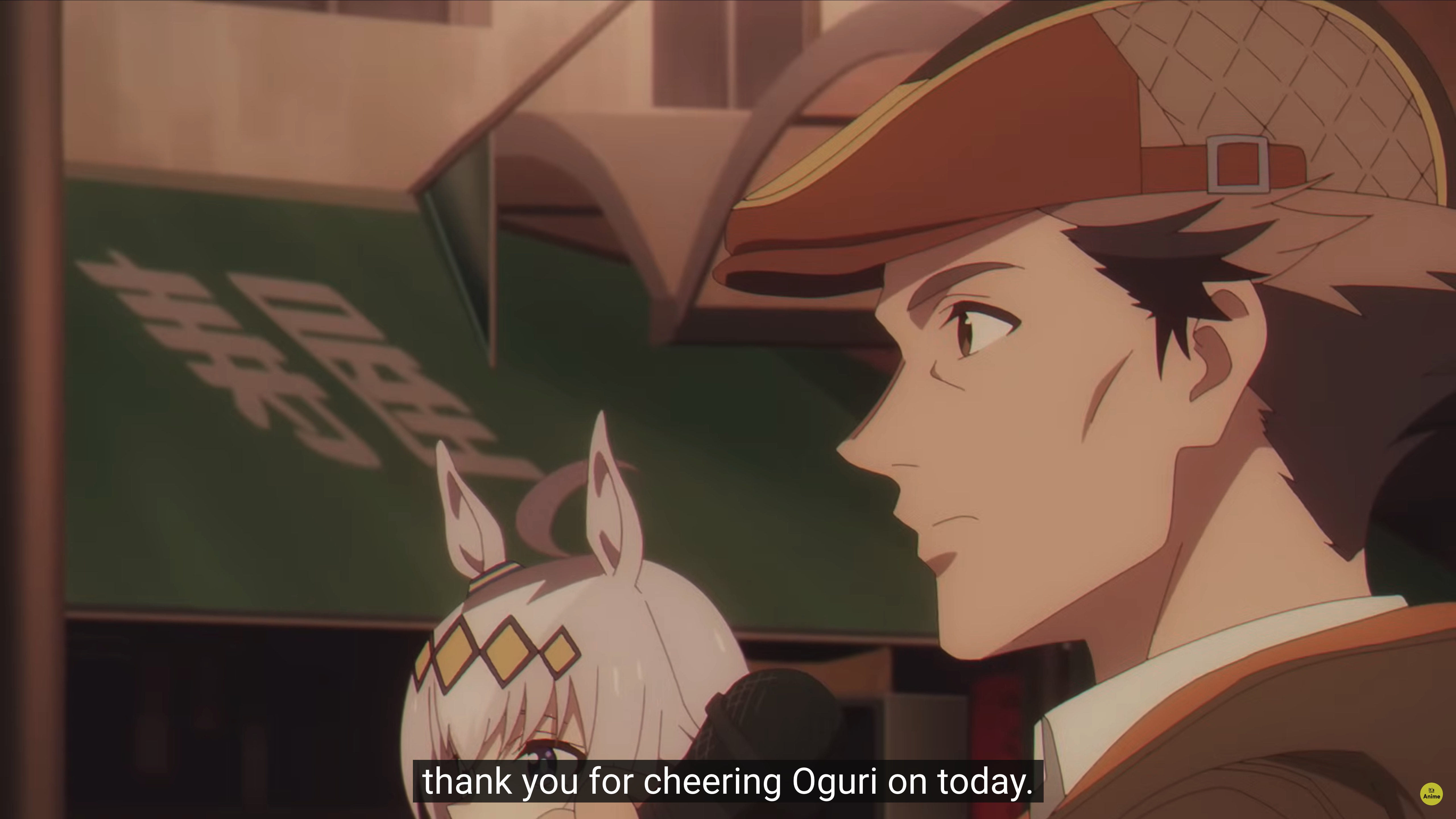
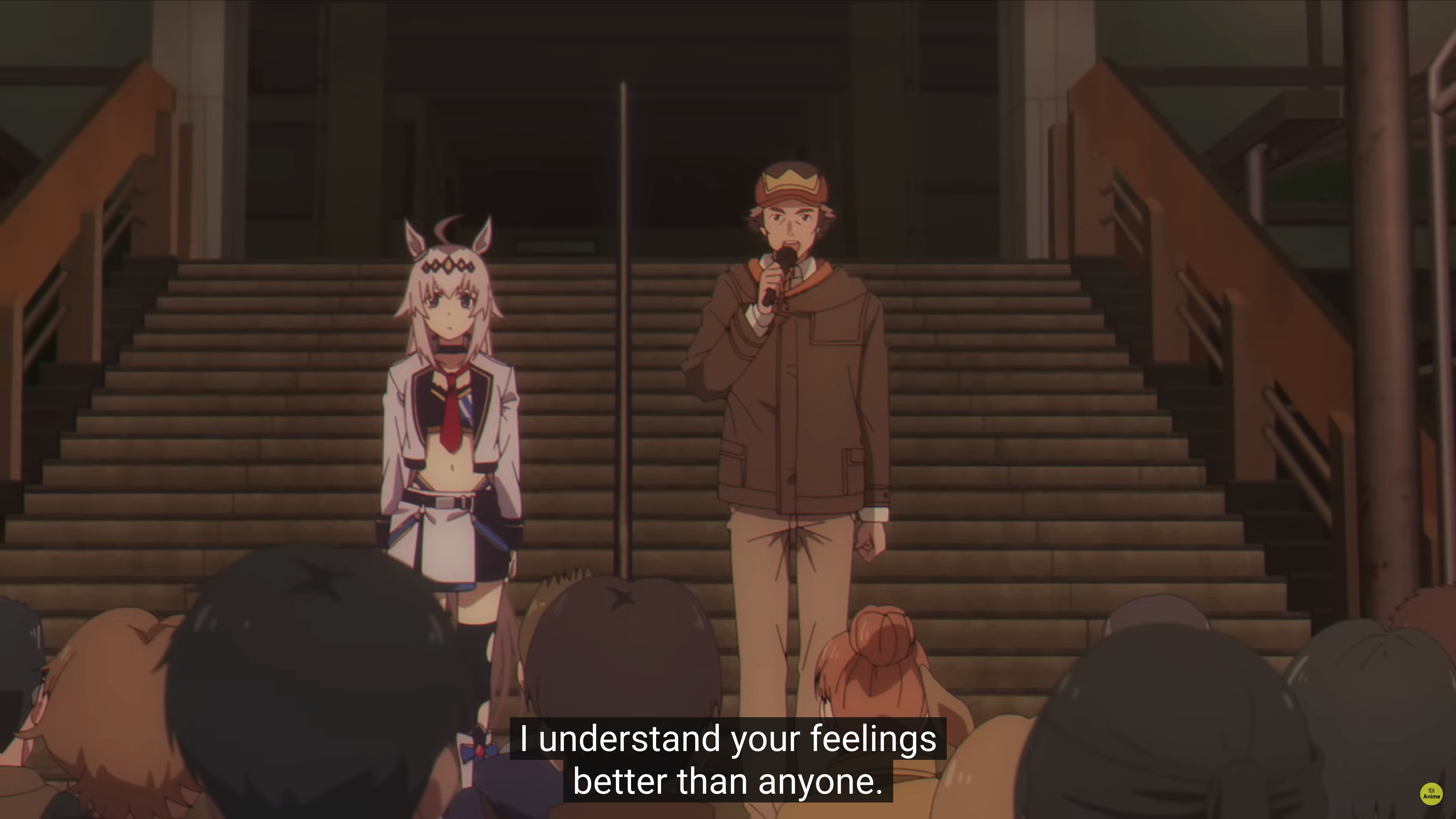
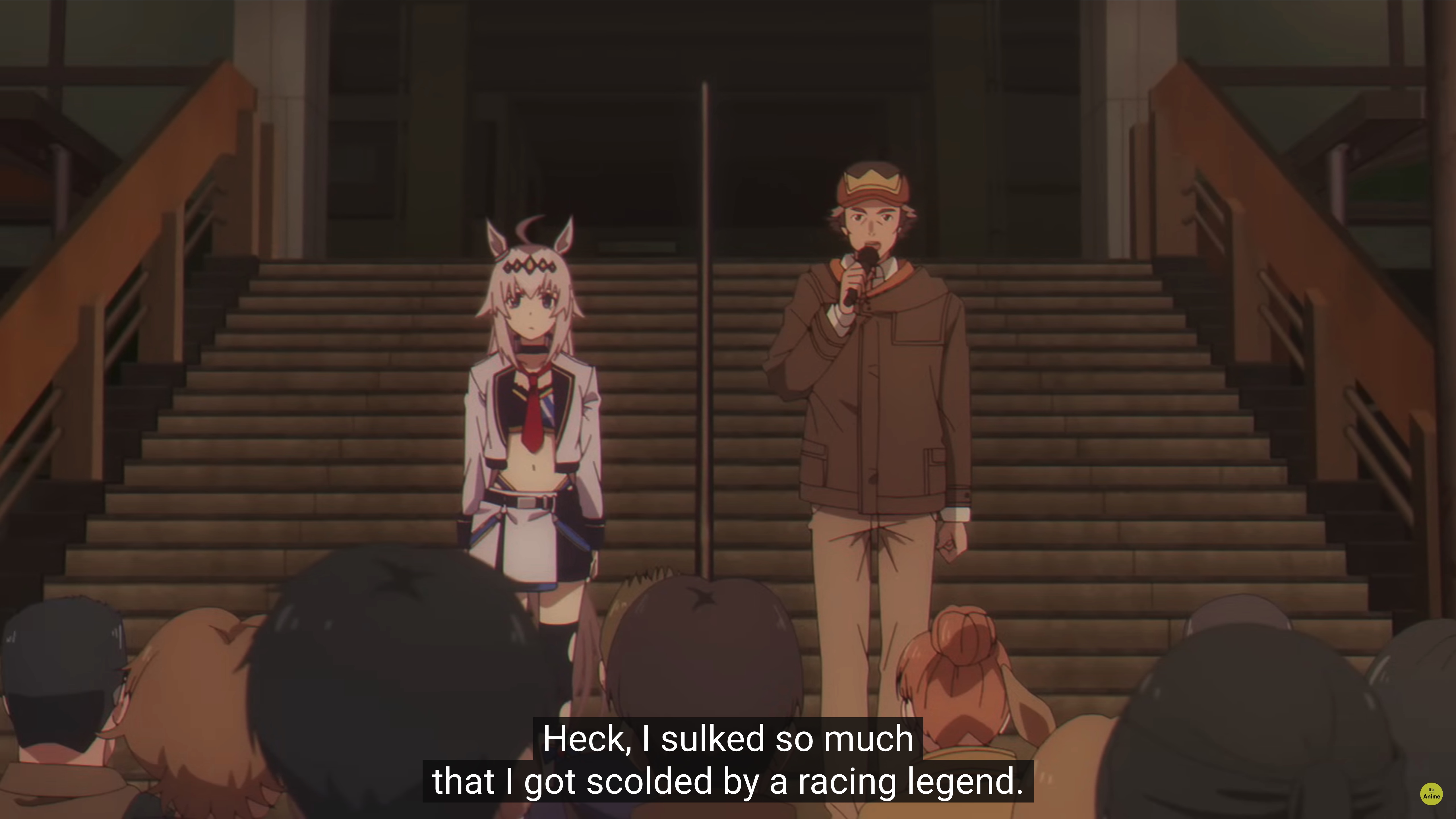
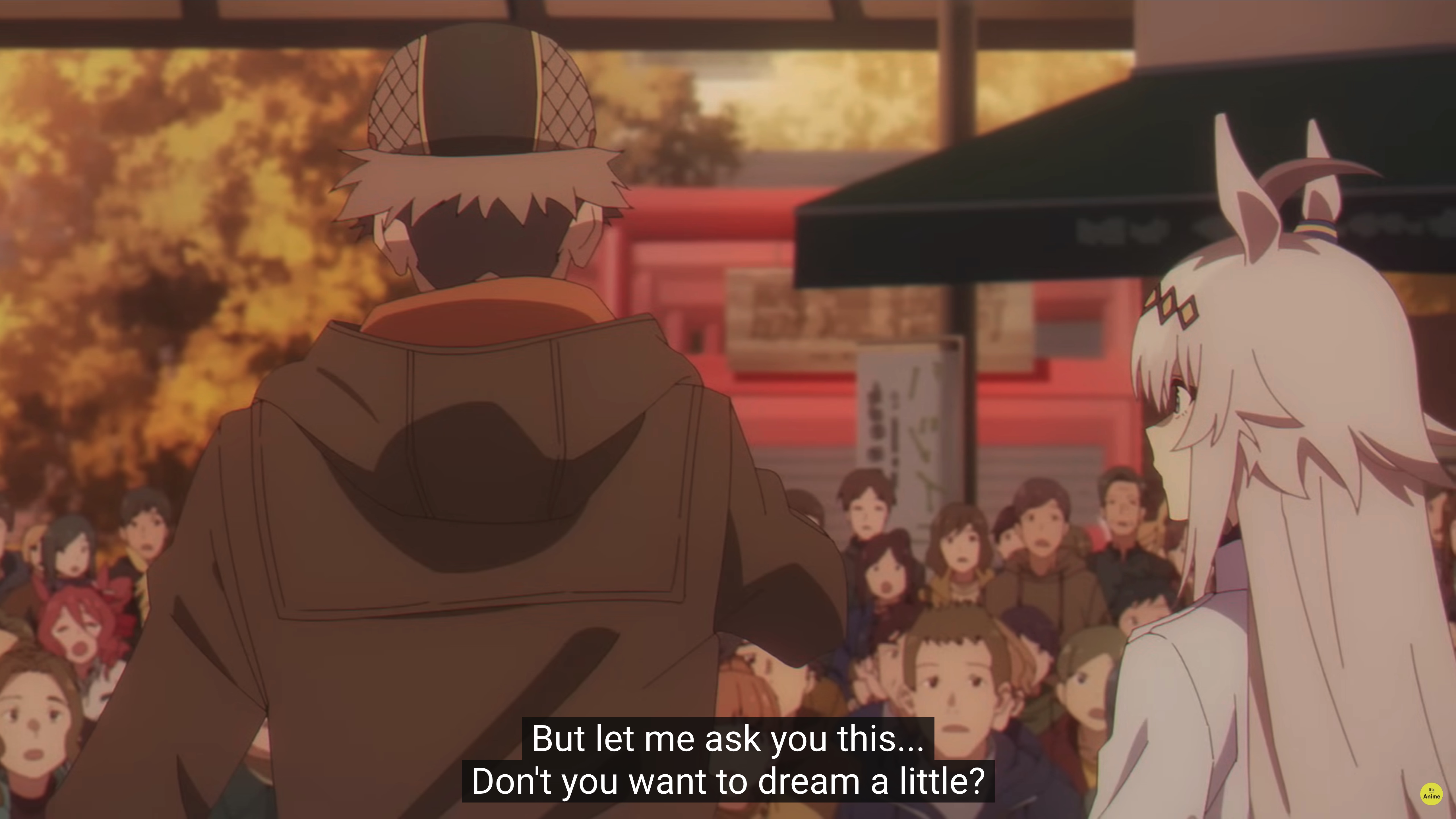
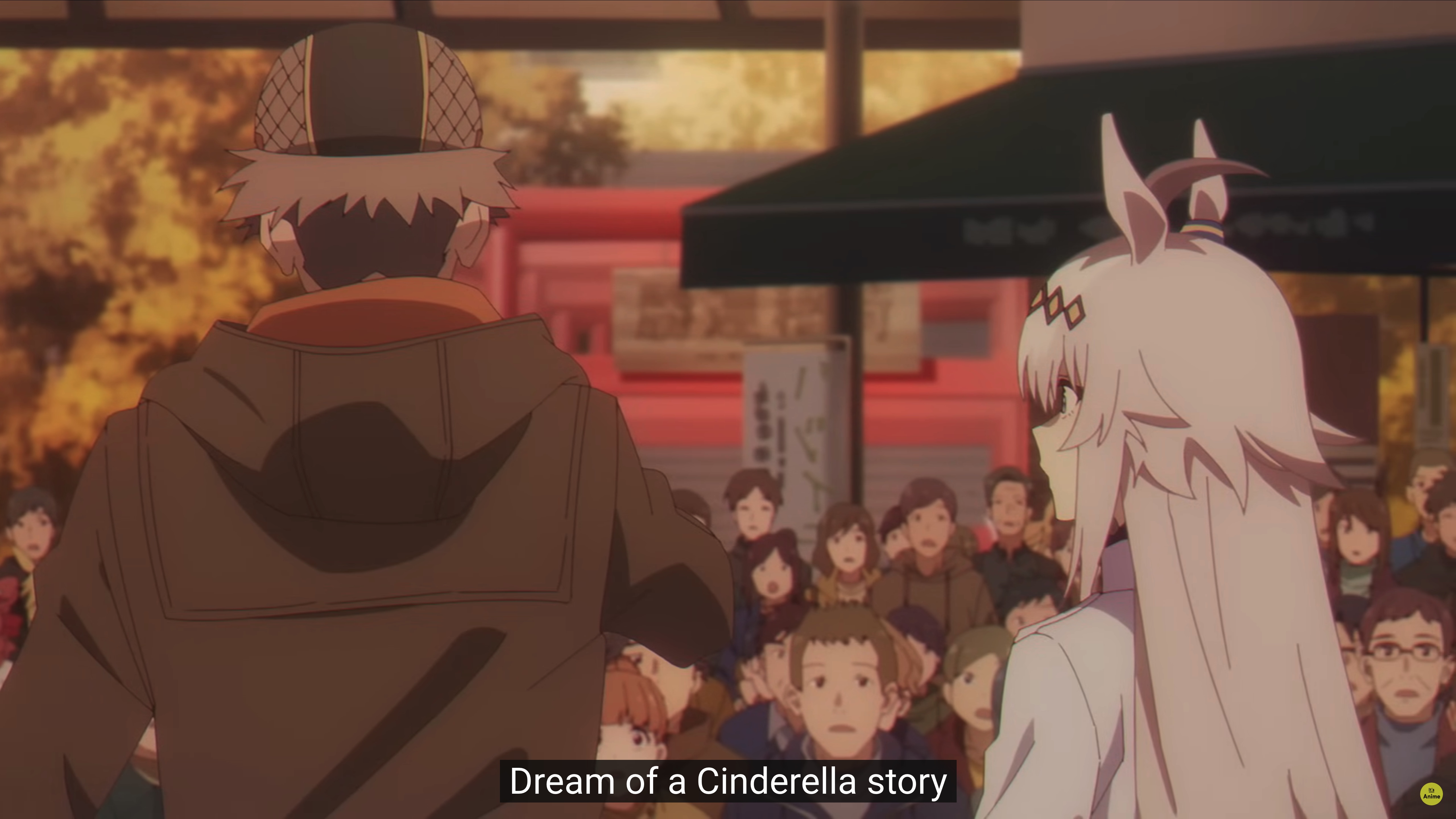
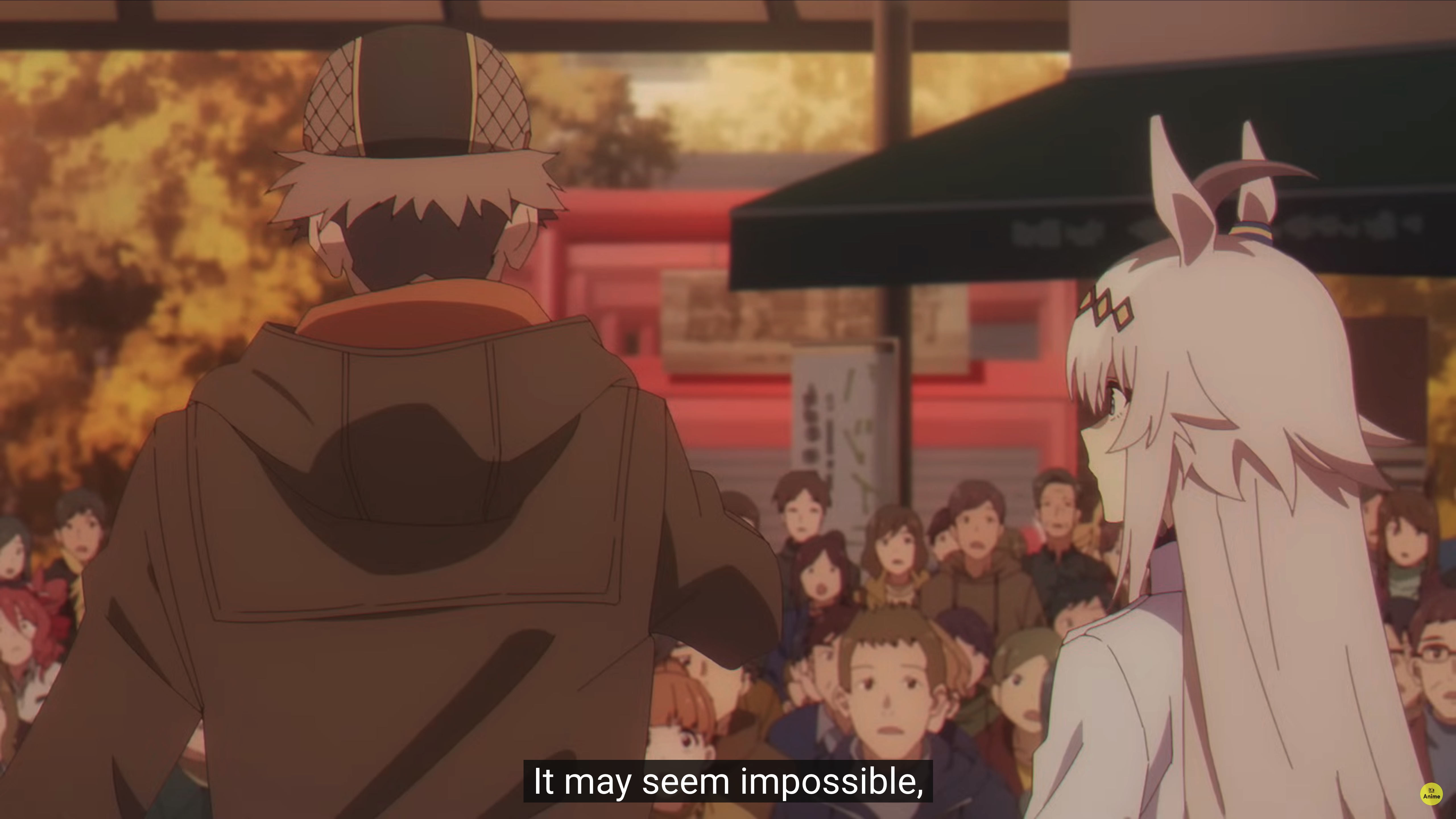
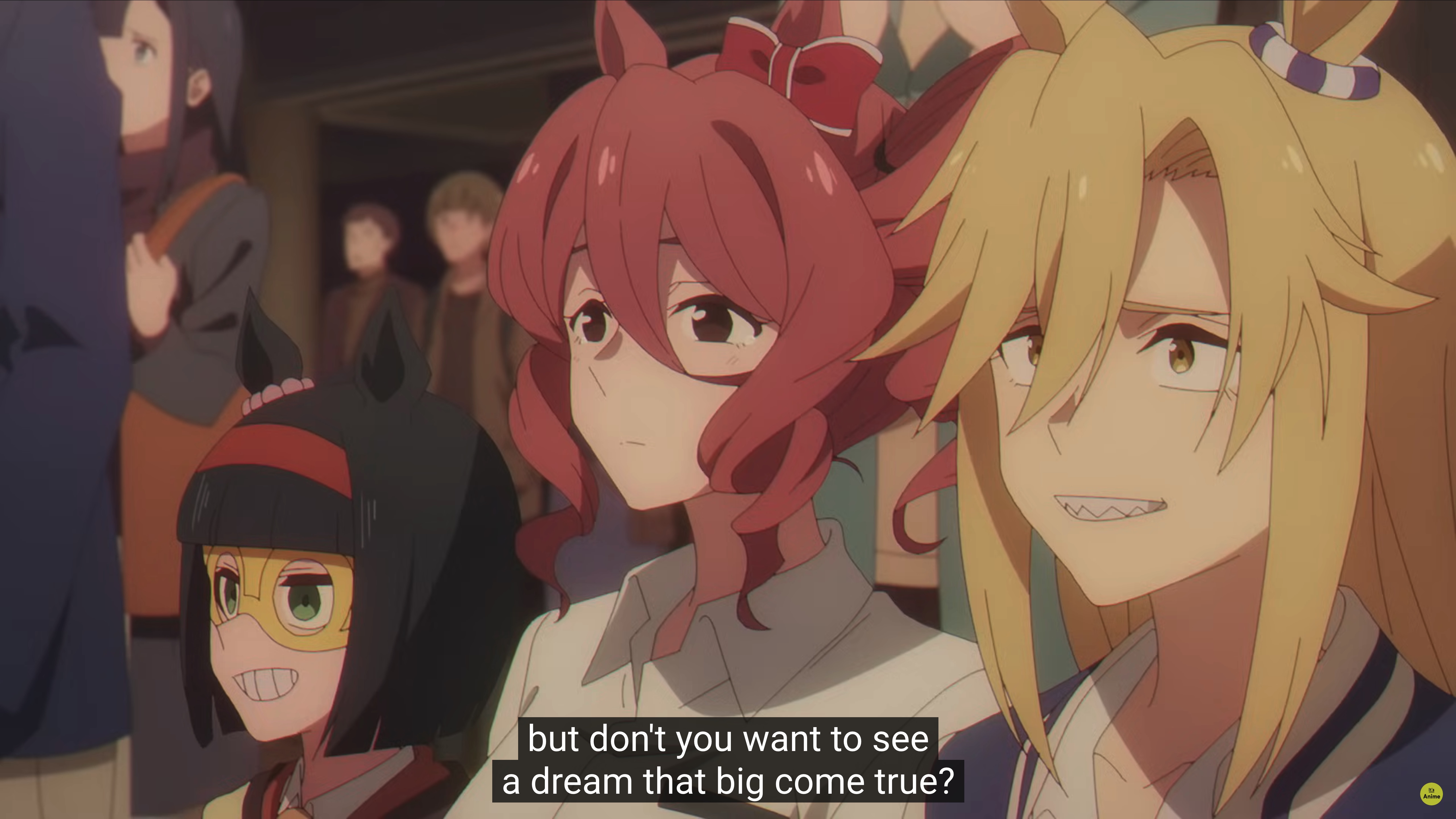
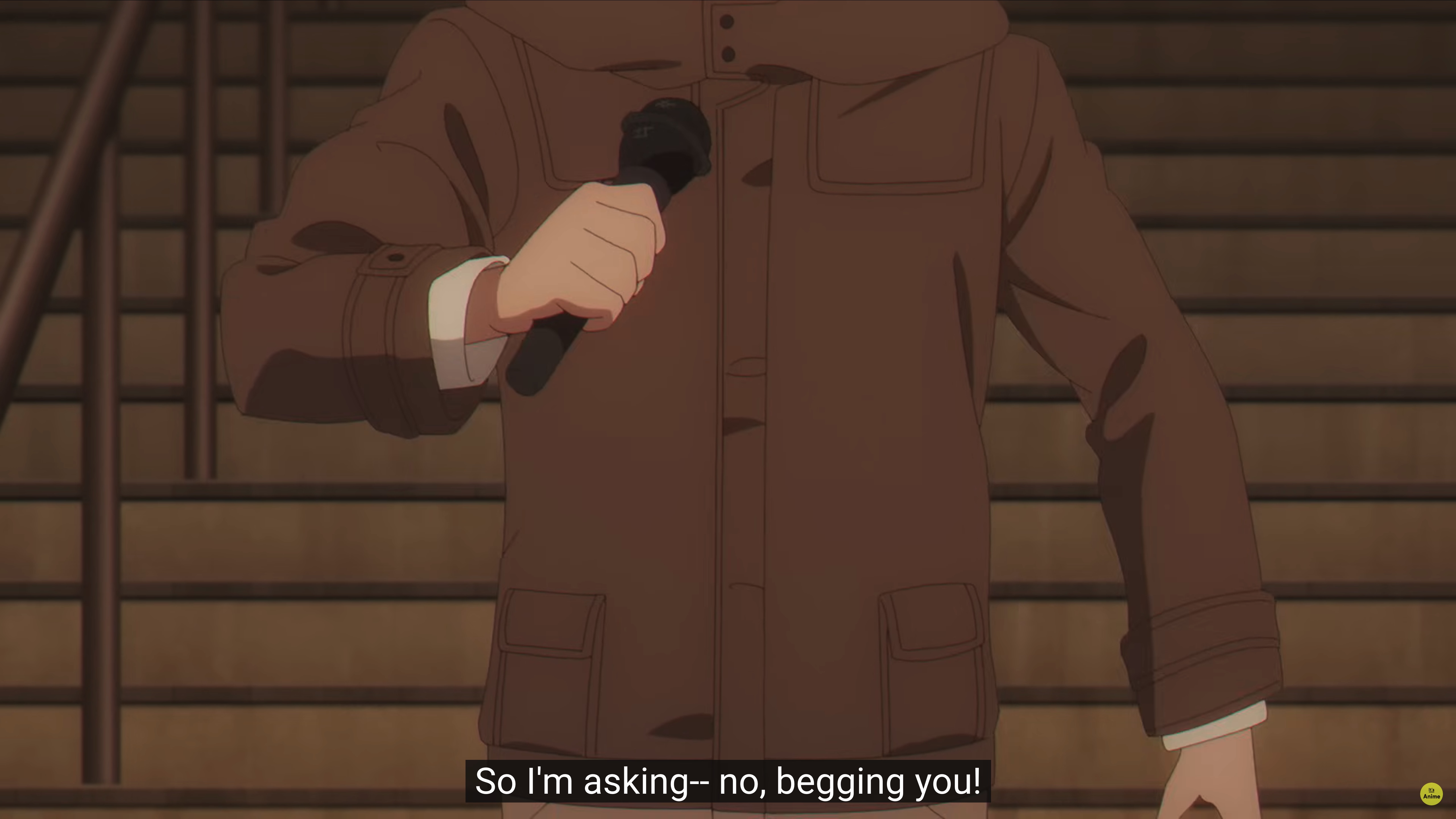
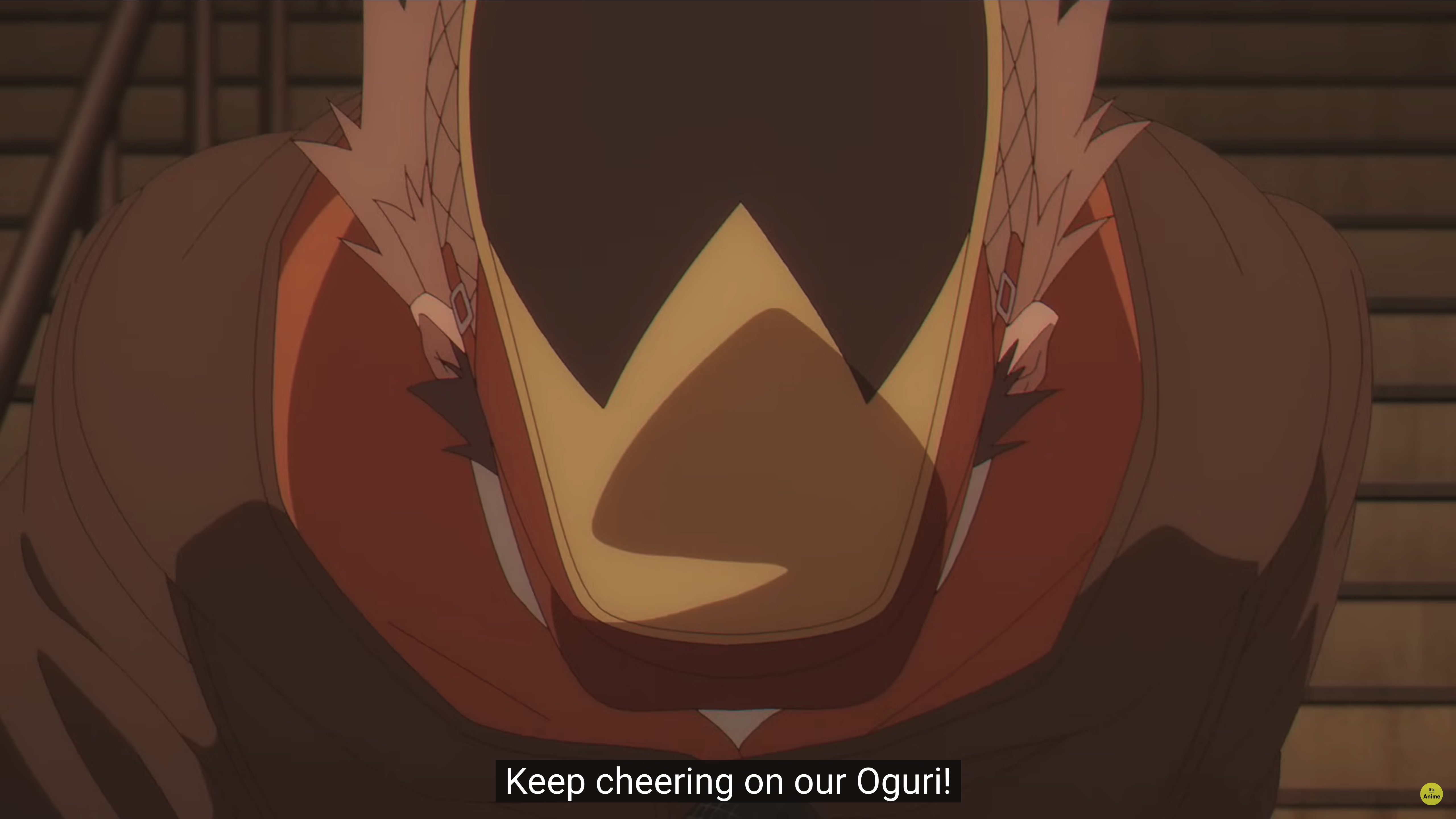
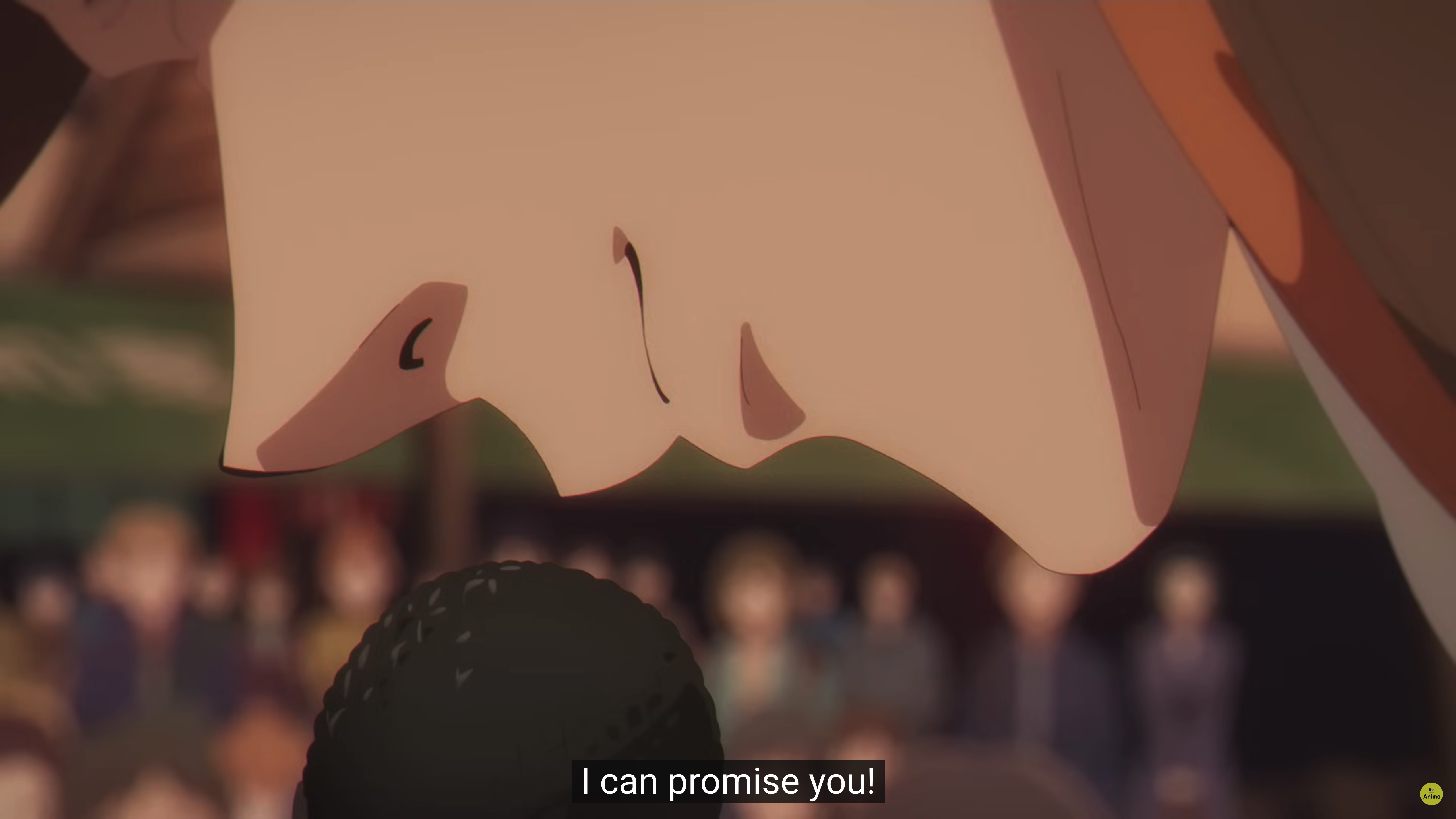
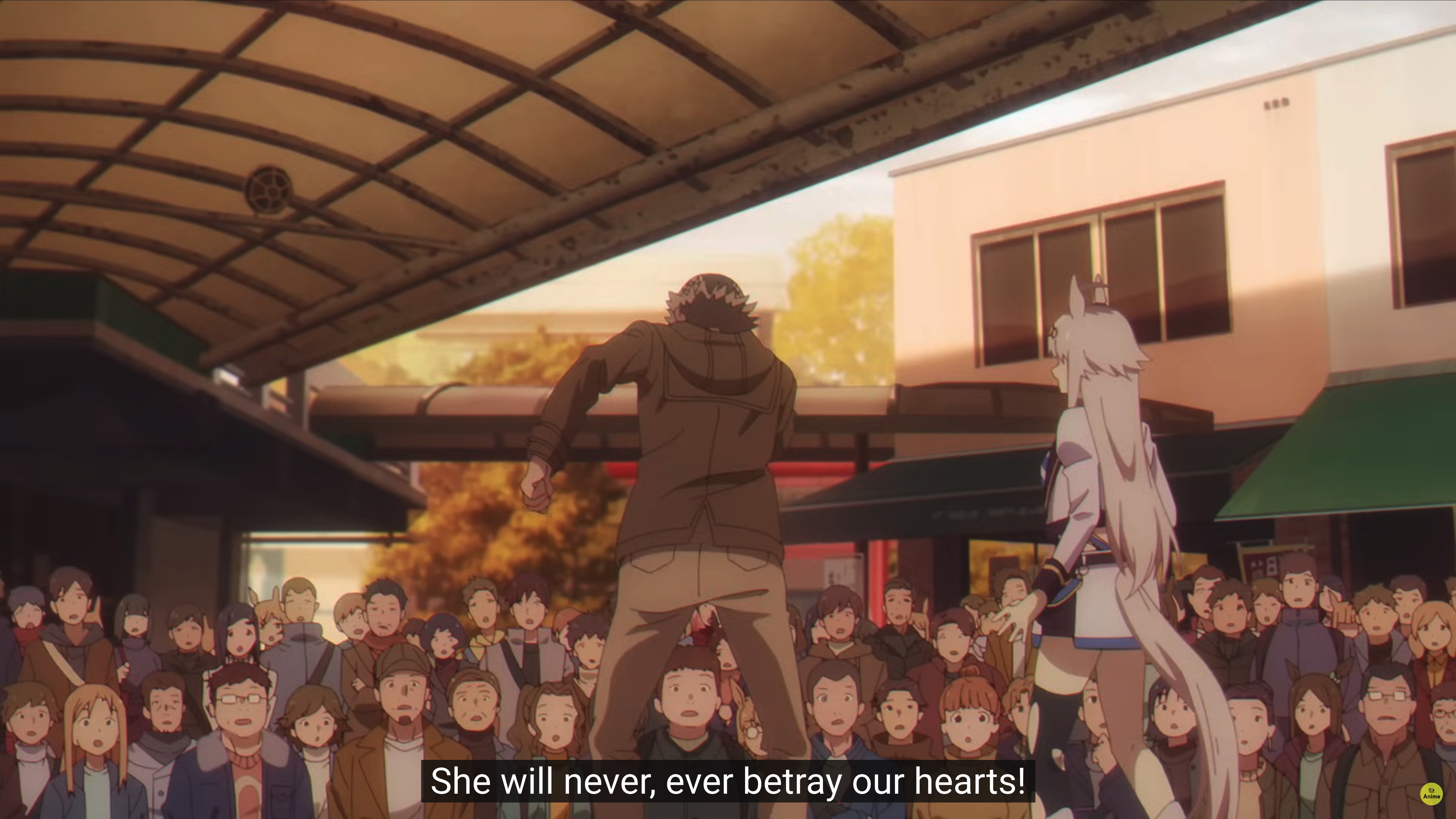
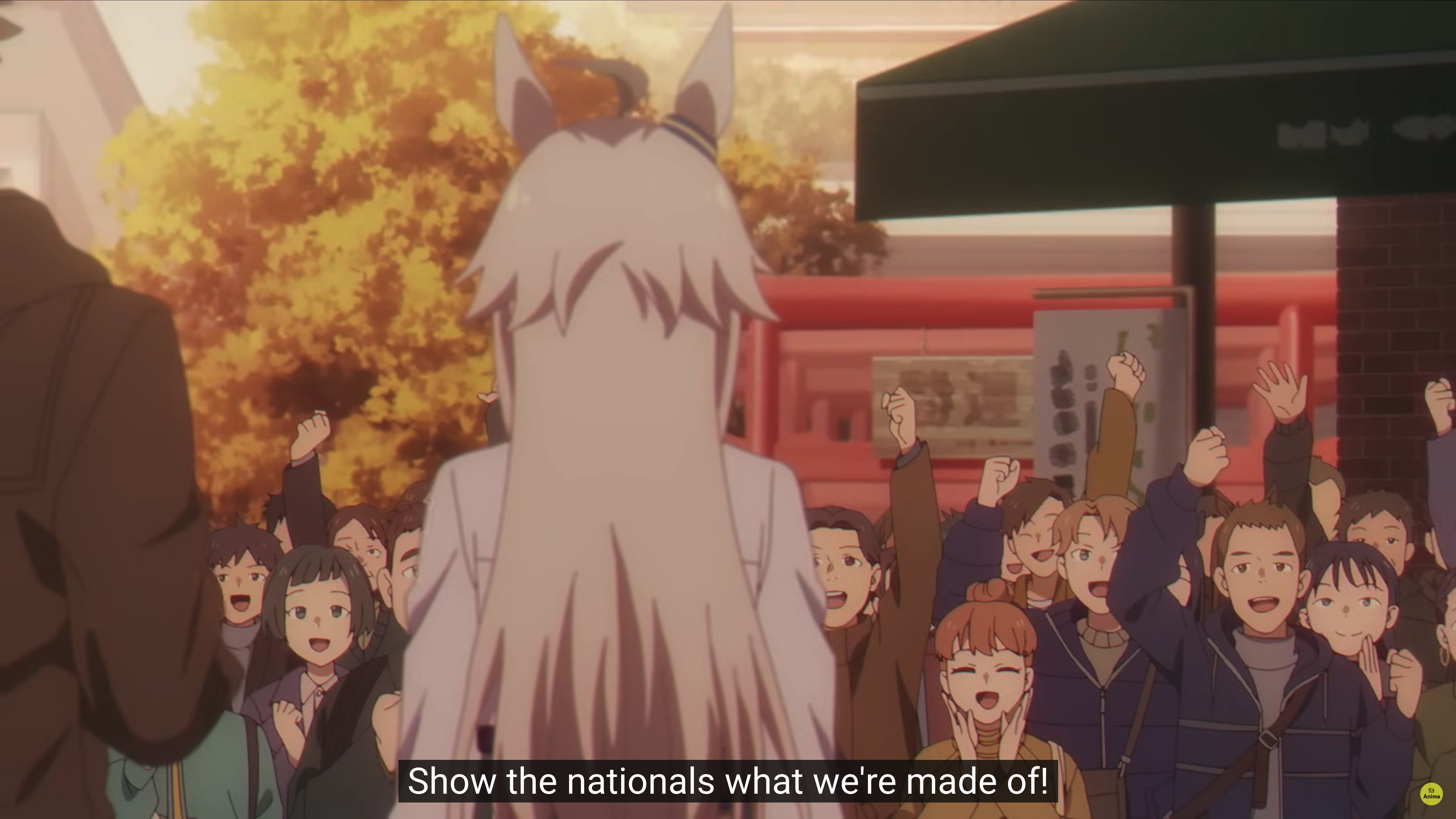
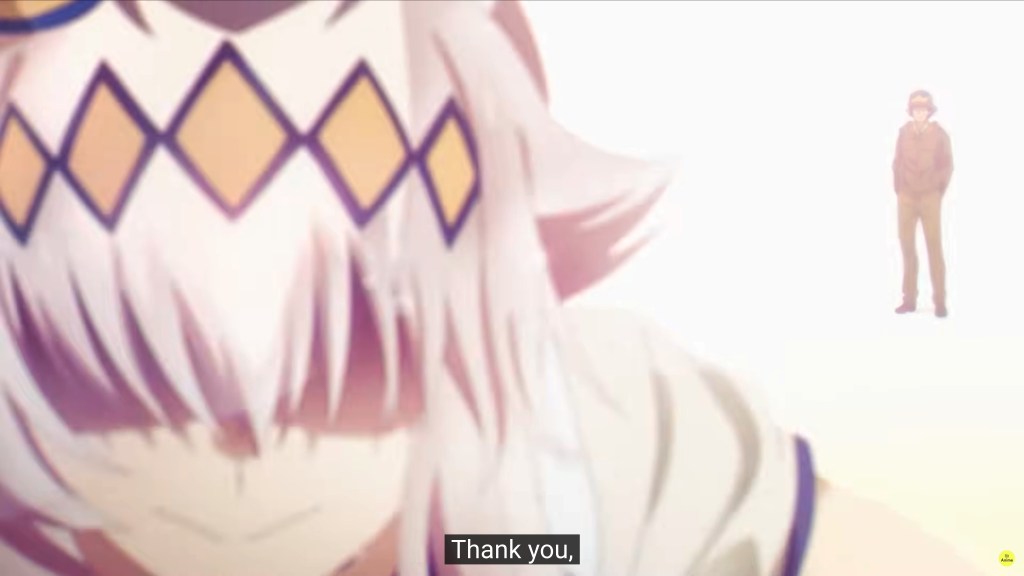
There is still one more step for Kitahara to take, however. If his cheering Oguri on to victory was his act of repentance, there is still the restoration: Kitahara gets a do-over during the celebration performance after the race, when Oguri reveals to the crowd of fans that she will be transferring to the nationals. The response is not enthusiastic, to say the least, as fans initially stunned to silence begin to murmur and question. The mood is tense. Kitahara has a choice: he can leave it to Oguri to own the decision alone, or he can step up and be her trainer for one last moment and win the crowd over to seeing what is best for Oguri. Filled with grace, he does the latter, making an impassioned, heartfelt speech that moves the crowd to cheers of support and solidarity. He paints a new dream for them, of their fave making them proud at the distant nationals.
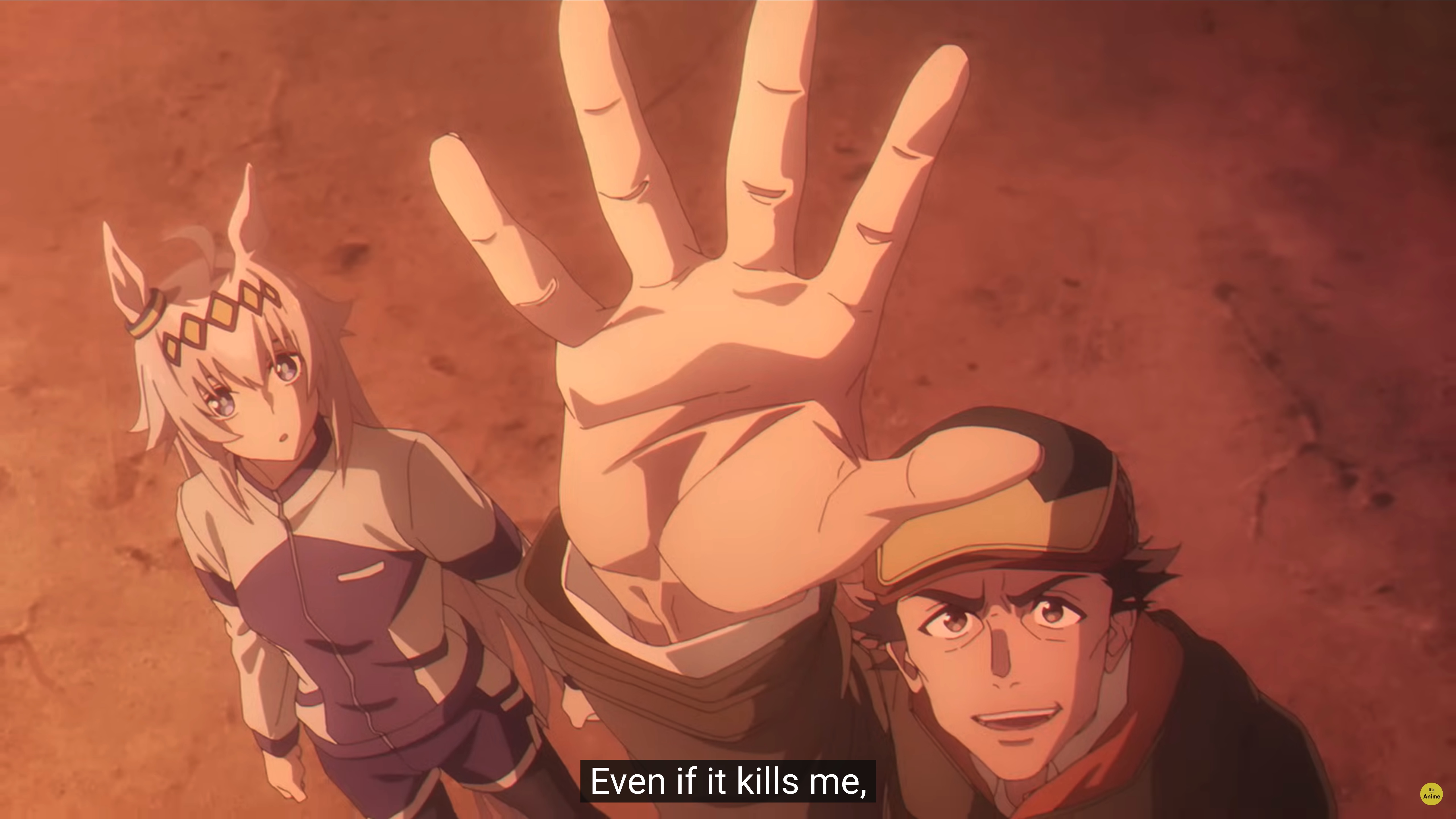
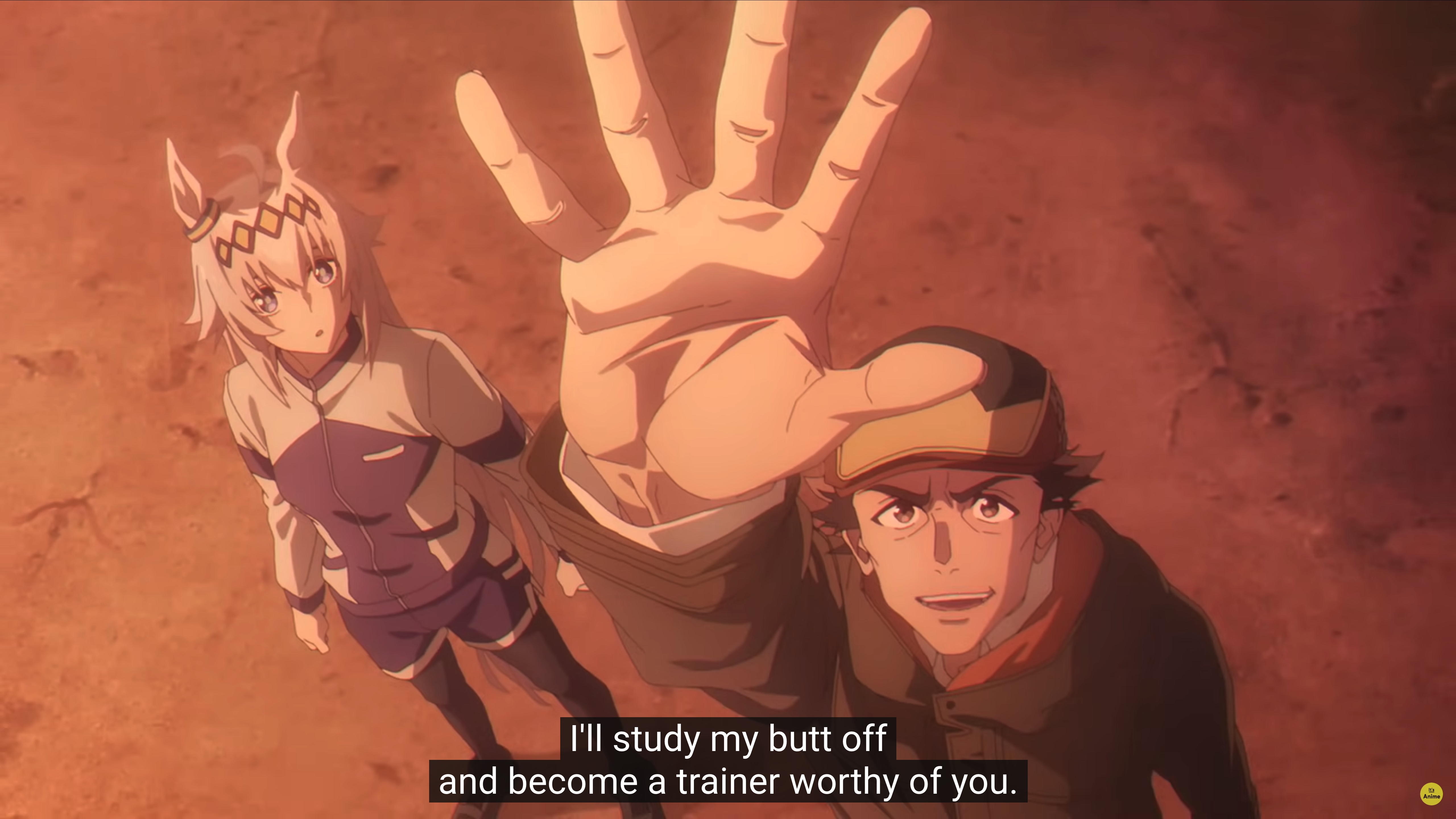
But here’s the beautiful thing: Kitahara’s repentance doesn’t simply make things right and restore what his unholy vow had damaged. Through submitting his dream to Oguri’s superior destiny, he discovers a new dream for himself too—one that is bigger, better, and altogether more-ish! He realizes that there is no reason why he, too, cannot aim for the nationals and qualify as a higher-level trainer. His new dream is far more ambitious and glorious than he would have had the courage or capacity to dare for on his own. But in humbling himself beneath the mighty hand of God hoof of Oguri, he is set to be exalted in due time! (Slight paraphrase of 1 Peter 5:6…)
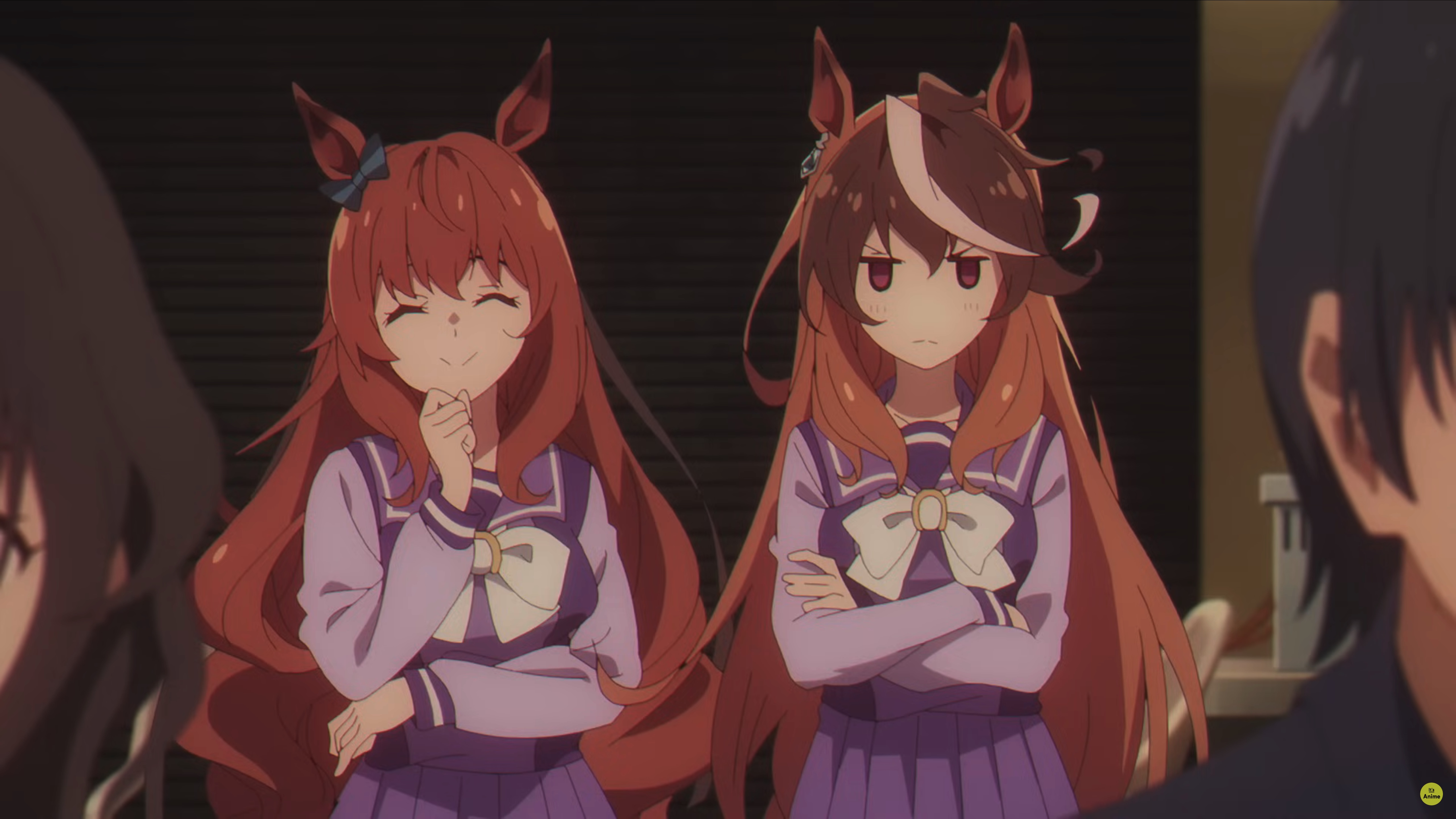
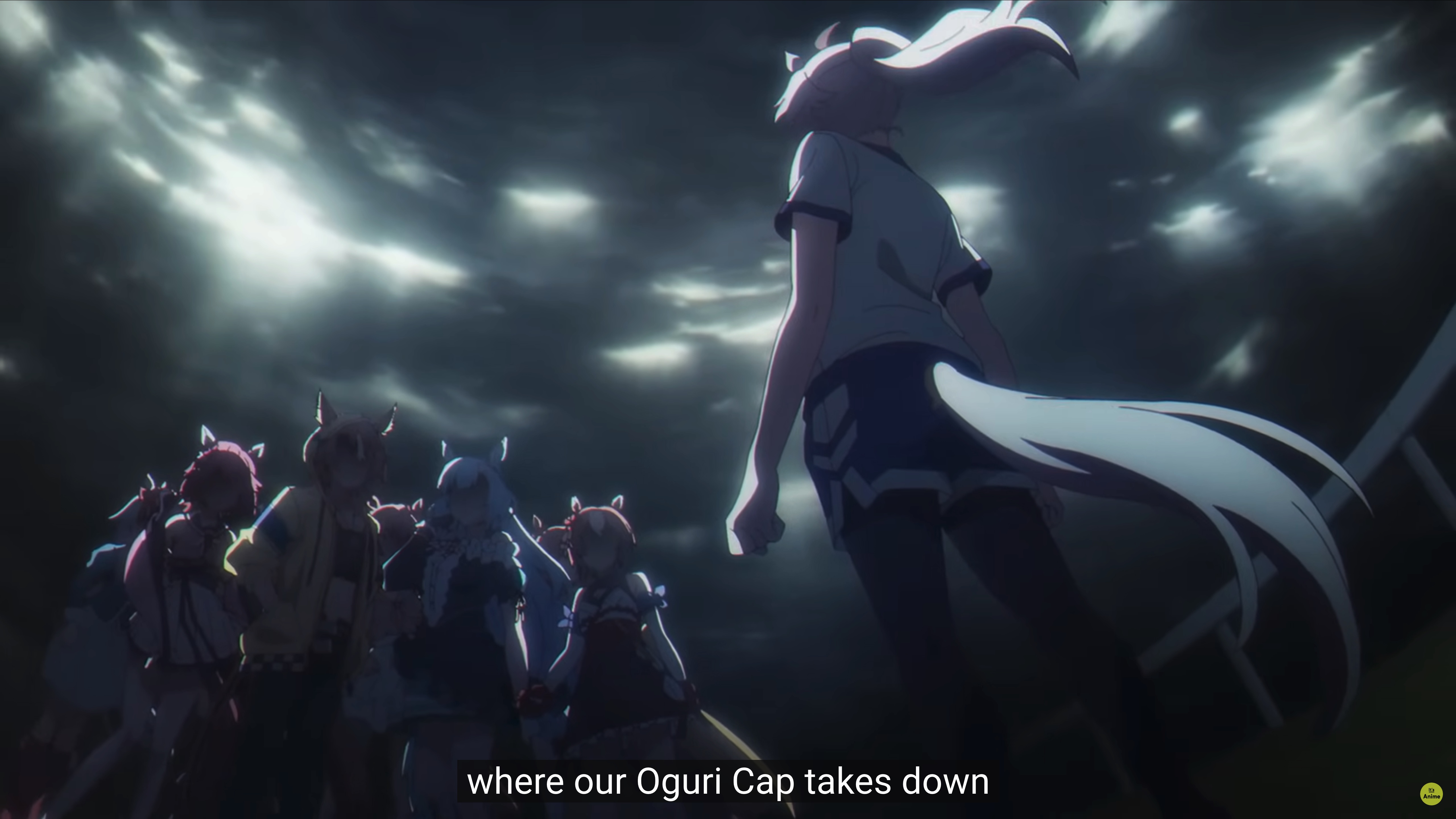
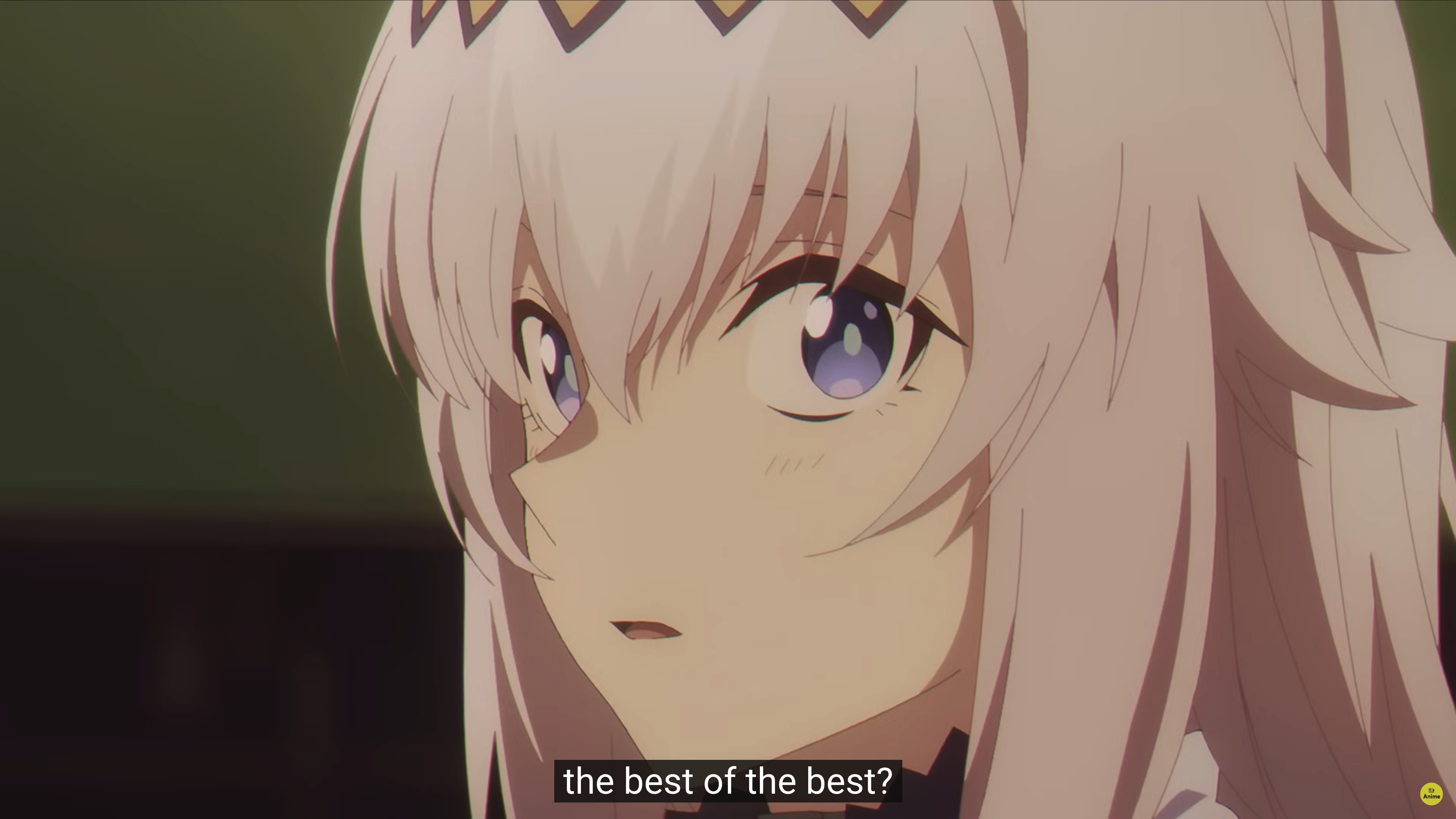




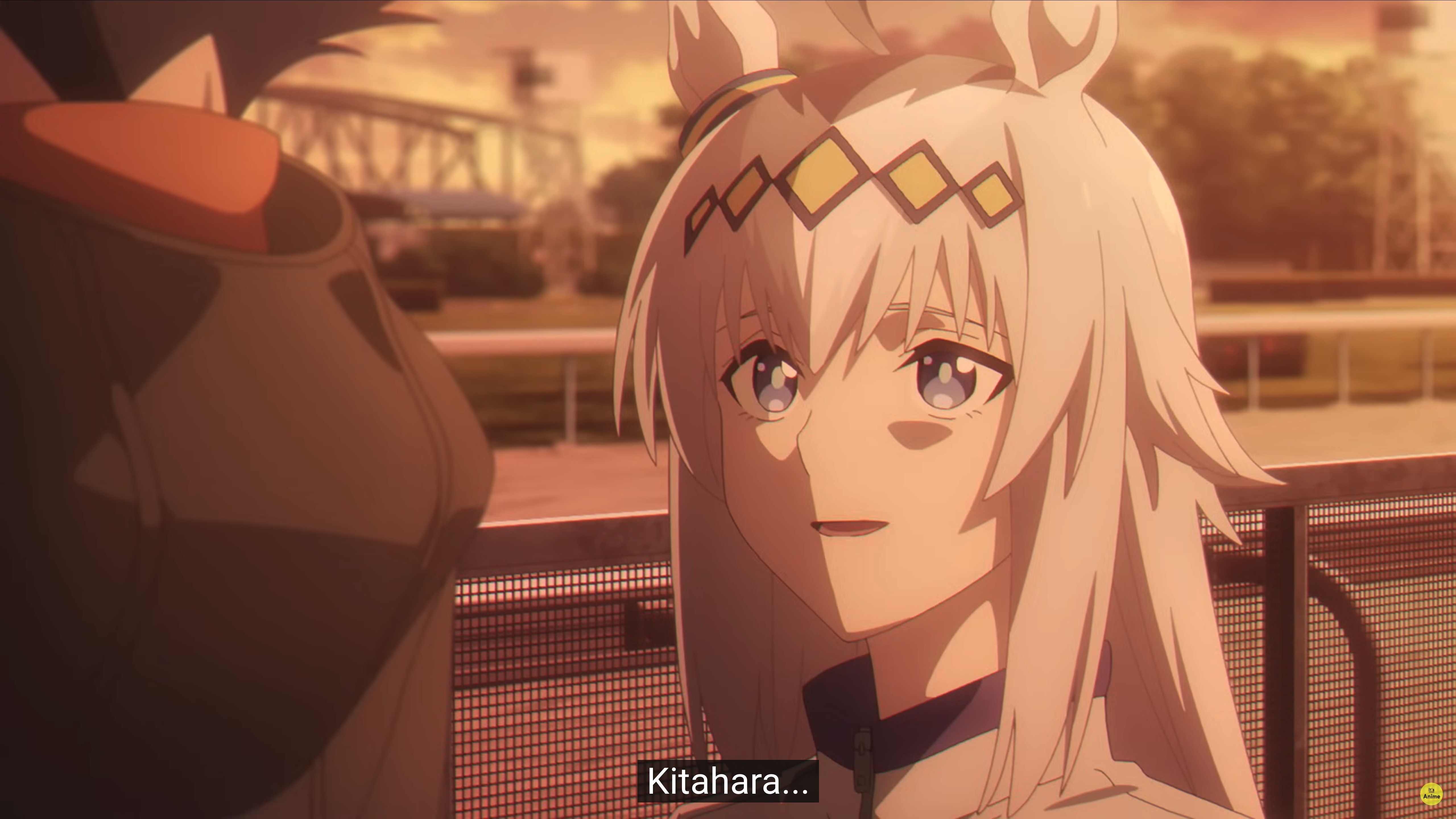
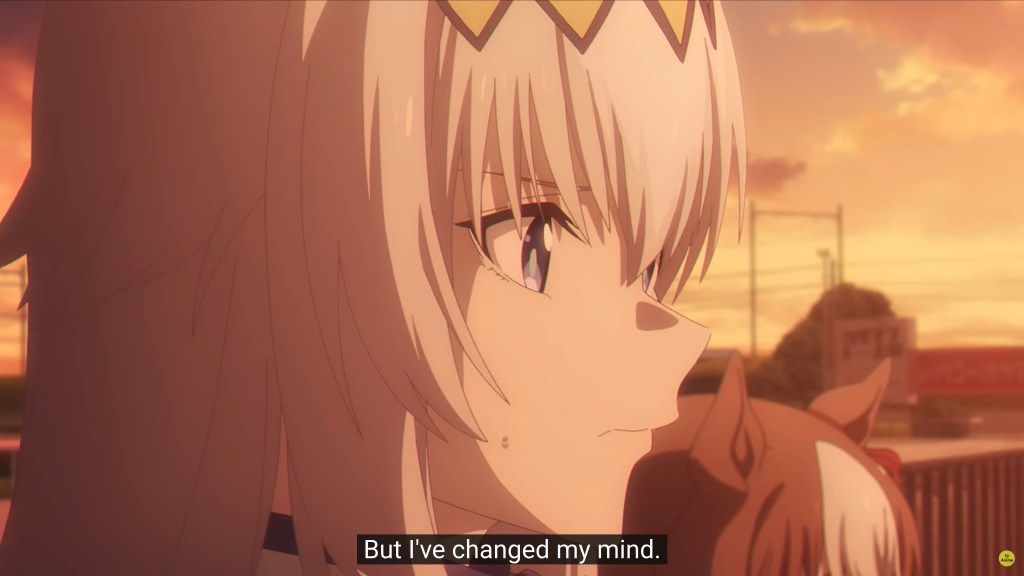
After everything, March approaches Oguri and confesses the misguided vow she had made—but also the fact that she will keep racing, even though she will have to do so alone now. Through her punitive, futile vow, she realized that she had something else to run for apart from beating Oguri; she, too, could run for the joy of it. And like Kitahara, she now has a new dream, inspired by the fresh perspective she gained of herself in laying down the old one: she is going to achieve the record for longevity as a racer. This goal is perfectly suited to her, as a racer for whom perseverance comes naturally and has always offered its own reward. Her new dream is better aligned with who she is.

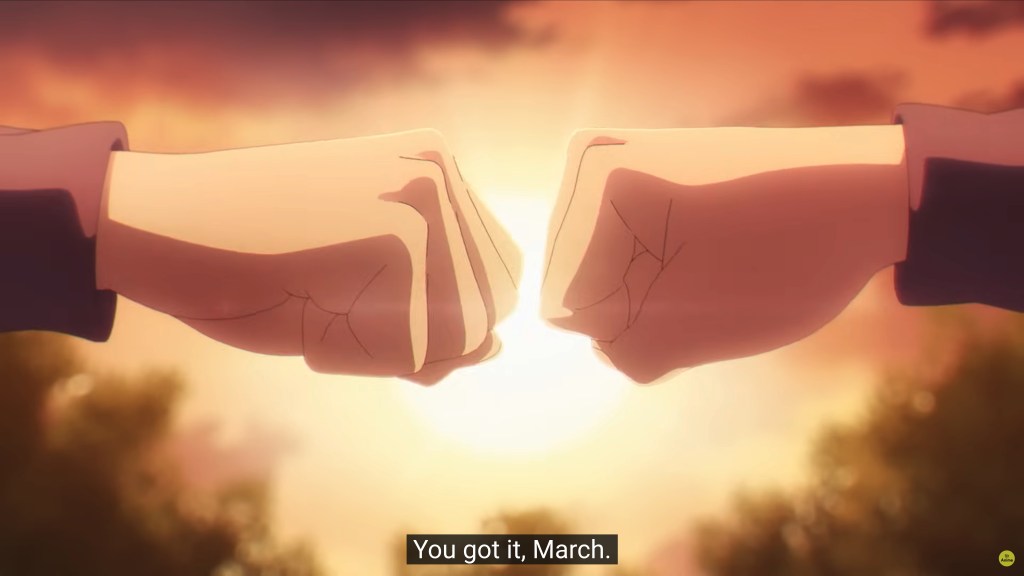
Laying down our dreams is painful, and it can also be confusing and frustrating. It can push us to extreme measures, bargaining with God, seeking to control him, or to cut him out and take control for ourselves. Sometimes, we can give up altogether and cede our God-given free will to someone or something else, letting “fate” deal with the burden of a dying dream. But when we run to God in the midst of these disappointments and turn to him as our dreams lie in tatters, we will always discover that there is a new dream waiting for us, one that is even better suited to who we are becoming.
So let’s press on, holding our dreams lovingly, yet loosely, so that we are always ready to grasp the hand of him who leads us on.



- Film Review: All You Need Is Kill - 01.15.2026
- First Impression: Kaya-chan isn’t Scary - 01.11.2026
- First Impression: Dead Account - 01.10.2026

[…] Of Dying Dreams and Unholy Vows, Uma Musume: Cinderella Gray, ep. 6 […]
[…] While the Uma Musume game has been a big hit, we always enjoyed the recent series: Uma Musume: Cinderella Gray. Here’s a great article by Claire about the show. […]