A warm welcome back, everyone! Here we are again, for the third year running, celebrating some of our favorite women creatives who work in anime, manga, and light novels. Now, anime is known for its cute girls and strong female protagonists, and some incredibly talented women seiyuu voice them. But on International Women’s Day, we like to highlight the women who are a little more behind the scenes, the ones you may not have heard of and whose names may not make it onto top ten lists in the aniblogosphere, even though they’ve been instrumental in bringing us our top ten anime, manga, and light novels, as writers, animators, mangaka, directors and composers. This year, we’re featuring quite a few up-and-comers so that you can get in on the ground floor of the fandom and enjoy following their careers in the years to come.
So without further ado, let’s dive into this year’s homage!
Animators • Composers • Directors • Light Novelists • Mangaka
Touko Amekawa • Aki Hamazi • Kanna “Kappe” Hirayama • Natsu Hyuuga • Youko Kanamori • Yoko Kuno • Jun Mayuzuki • Hiromi Uehara
Animators
Kanna “Kappe” Hirayama
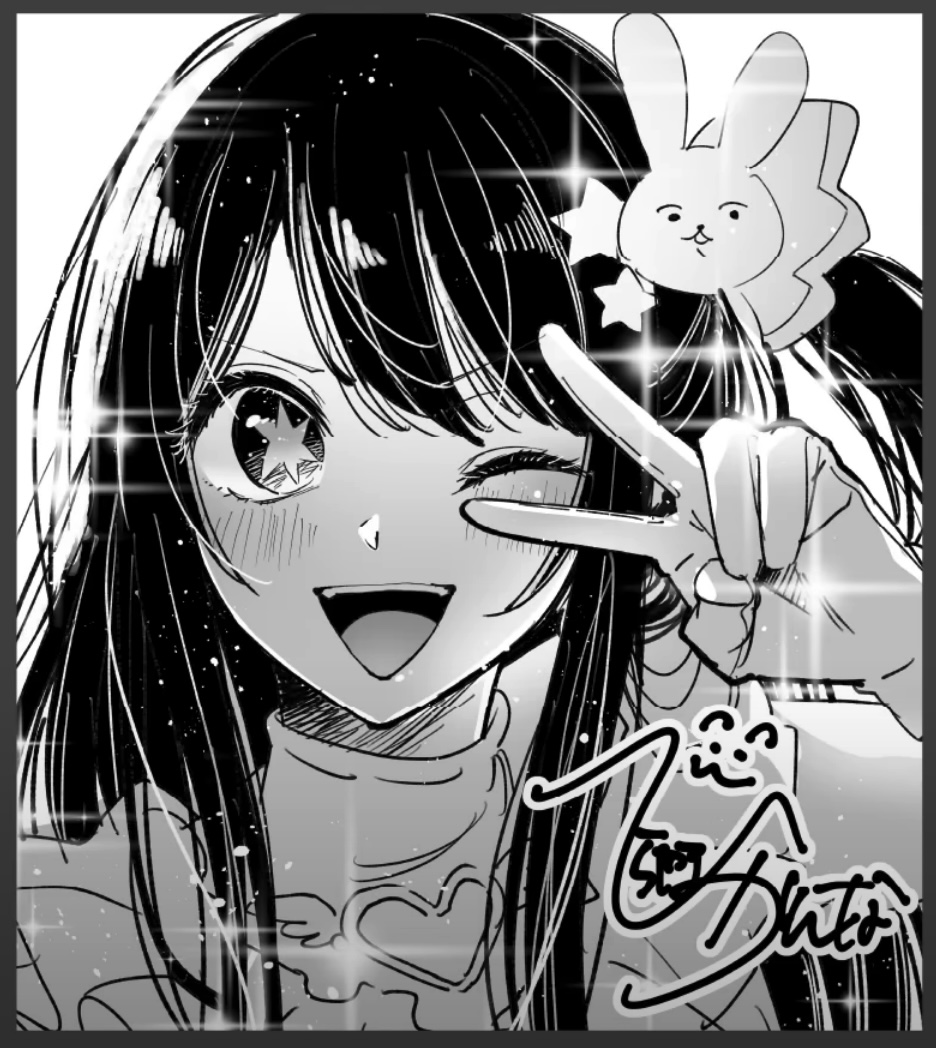
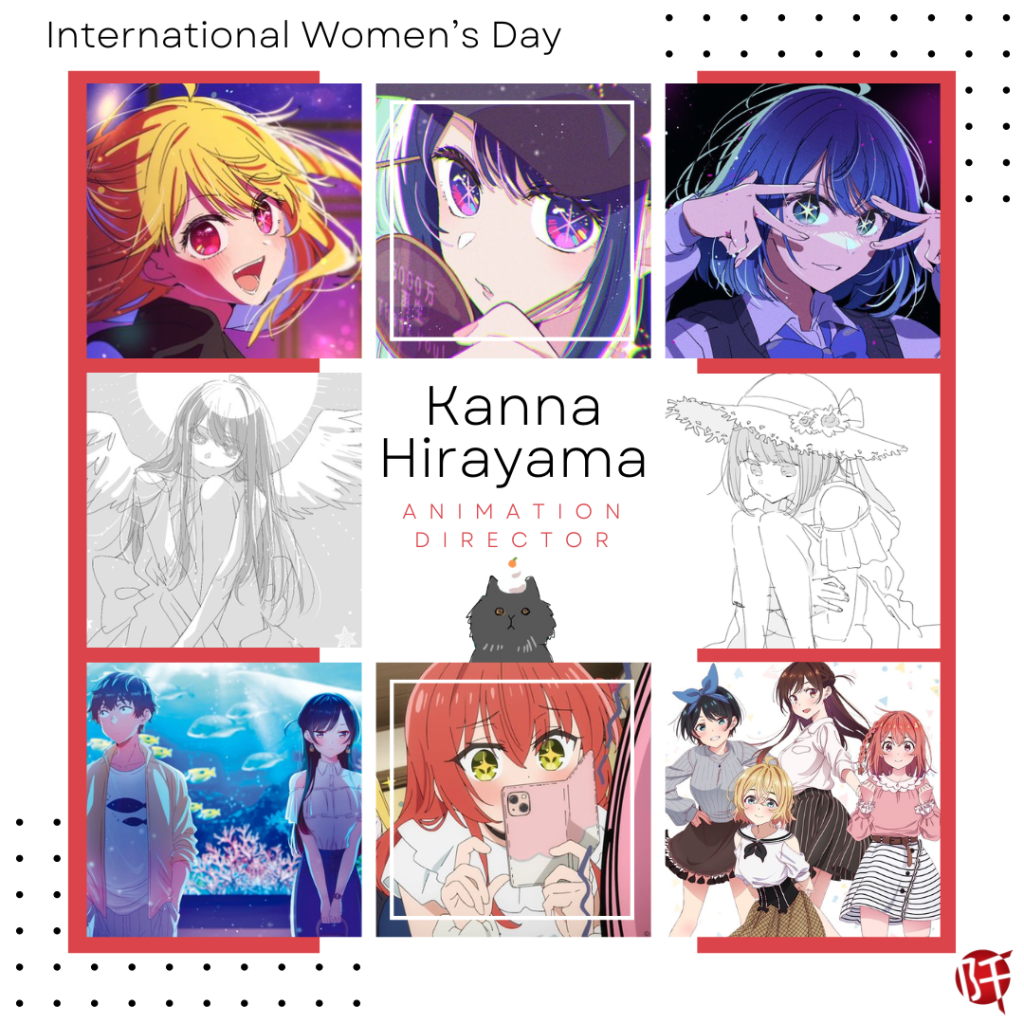
Once upon a time, a high schooler dreamed of becoming an animator. Ten years later, in the summer of 2023, not one, but two of her works dominated the famed Shibuya billboards at the same time. Kanna “Kappe” Hirayama is a force to be reckoned with! Well-known in the industry for her drawing speed, intricate character designs, and mad attention to detail, she is a modern-day Mozart and Salieri all rolled into one, combining seemingly limitless talent with ridiculously hard work to make her one of anime’s fastest-rising stars. How appropriate, then, that she came into the spotlight for many anime fans through her stunning work in bringing Ai Hoshino to life in Oshi no Ko last year. Described by Sakugablog founder kViN as a needle-mover in the industry (indicating her ability to transform a production single-handedly), Kappe’s credits tell the story of a young woman who has been entrusted with increasing responsibility during production on every project she has ever worked on, routinely wearing multiple hats by the close of a series. So much so, that studios have begun to take notice, and after making it known that she was keen to work on a certain little idol anime, Kappe quickly became a driving force behind last year’s megahit. True to form, she served not only as chief animation director for Oshi no Ko, but also character designer, key animator, animation director, and in-betweener. What this means in practical terms is that in the feature-length premiere episode, for instance, she supervised all 1000 plus animation cuts, corrected (redrew) nearly half, and, rather unusually, provided final corrections at the end of the process as well for a good many cuts. In essence, she did the work of at least three people, if not more. And it really shows! That Ai sparkles so is down to Kappe’s designs and discerning hand throughout the rest of the production process. In short, if you keep your eyes on Kappe, they are sure to shine!
claire: I first came across Kappe’s work in Selection Project, which was the surprise hit for me in the autumn of 2021. Idol anime is not usually my thing, but the background art and Kappe’s character designs caught my eye in that first episode, and before I knew it, I was sold. There is an indescribable quality to Kappe’s artwork that makes it simply glow with life. I’ll admit that I’m generally not very good at discerning the art styles of individual animators, but her work is easy to recognize, fairly leaping off the screen to draw you in. Her work on Oshi no Ko was stunning, and really made the premiere episode (and the rest of the series) for me. Meanwhile, her profusion of social media posts with fan art for her own series and those of others make it clear that she truly loves her work, which is such a delight to see. She is an inspired and inspiring animator, and I can’t wait to see what she does next!
Twwk: Claire has already said plenty about Kappe’s work on Oshi no Ko—there’s this “pop” to her work from which you just can’t look away. She seems absolutely suited, then, to do work on the dynamic sequences that sometimes most represent an anime—the openings. She’s handled key animation or served as animation director on the OPs (and EDs, too) for dozens of series, including a host of my favorites—those for Horimiya, My Senpai is Annoying, all three seasons of Rent-a-Girlfriend, Spy x Family S3, Oshi no Ko (of course), and Skip and Loafer (an all-timer). I immediately gravitated to several of those shows because of her work on the opening. What an effect she’s had on me—and certainly so many others!
Composers
Hiromi Uehara


From her first encounter with the piano in Hamamatsu at age six, to sharing the stage with jazz legend Chick Corea barely a decade later, to Boston and the renowned Berkelee College of Music and the first of a dozen studio albums in 2003, interspersed with pandemic-era Instagram duets with Metallica bassist Robert Trujillo, a feature performance at the Tokyo Olympics, and experiments with electronica, string quartets, and her latest four-piece jazz band, Sonicwonderland—the musical career of Hiromi Uehara has been a wild adventure! And when you see her perform, you can’t help but think that she’s only just getting started. Hiromi pushes the boundaries not only musically, exploring the unheard hinterlands between musical genres and forms with every album, but also creatively, taking on new media, as with her recent score for Yuzuru Tachikawa’s anime film, Blue Giant. Hiromi composed both the background music and the original pieces performed by the three-piece band Jass, developing the unique musical voice of each character, from the eponymous Blue Giant, saxophonist Dai Miyamoto, to the prodigy pianist, Yuki Sawabe, for whom she also provided the recordings (though not the motion capture!). The score is infused with such joy, power, and sense of fun that it is guaranteed to leave you hoping that this is the first of many future anime collabs for this phenomenal composer and performer!
claire: If ever you’re feeling blue, just check out Hiromi’s Tiny Desk Concert on NPR and you’ll soon be smiling along with her, even if jazz/electronic is not your thing! Her playfulness and sheer delight when performing are infectious. And then, when you dig a little deeper, and read how she speaks about her art, you’ll be filled with respect. Hiromi approaches composition and bringing together a band with the eye and ear of a filmmaker, even using the metaphor herself to describe her process. She is thinking multidimensionally, multisensorilly, in order to create a sound that is both what she herself is seeking, but also one that will invite the listener in, be they a long-standing connoisseur or an amateur who is floating along the algorithm’s stream. Let’s just say I’m glad I ended up bobbing along her sonic shores!
Directors
Youko Kanamori
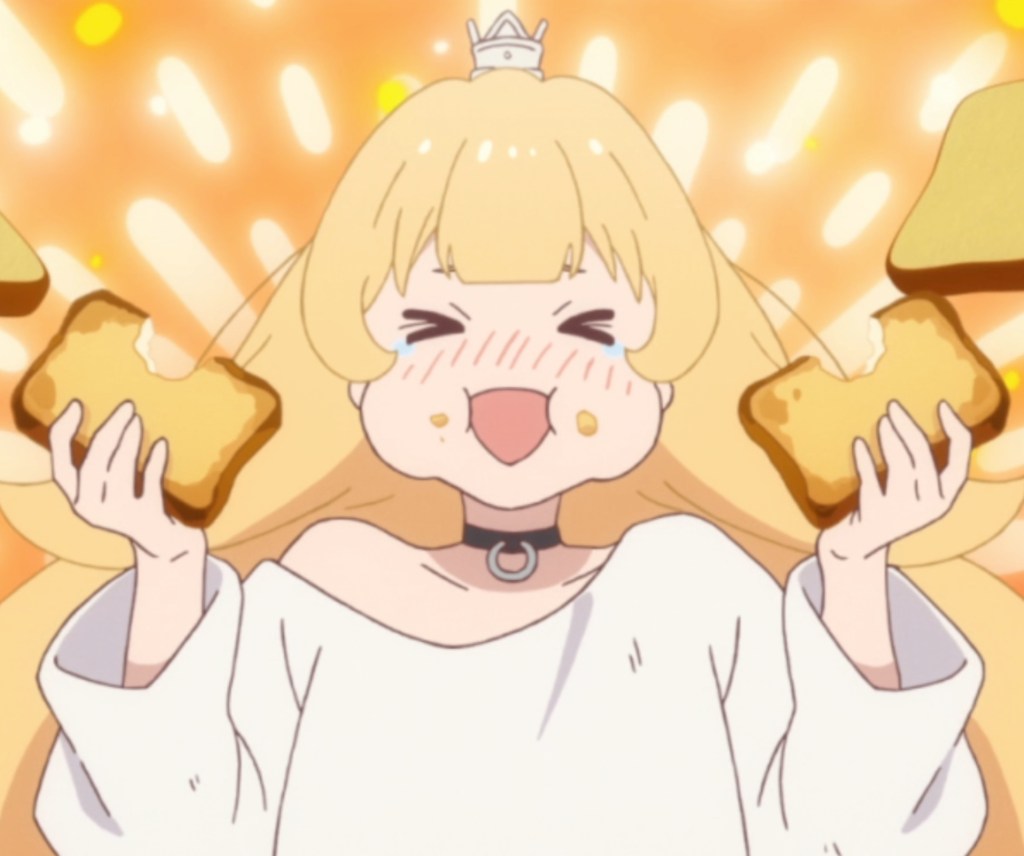
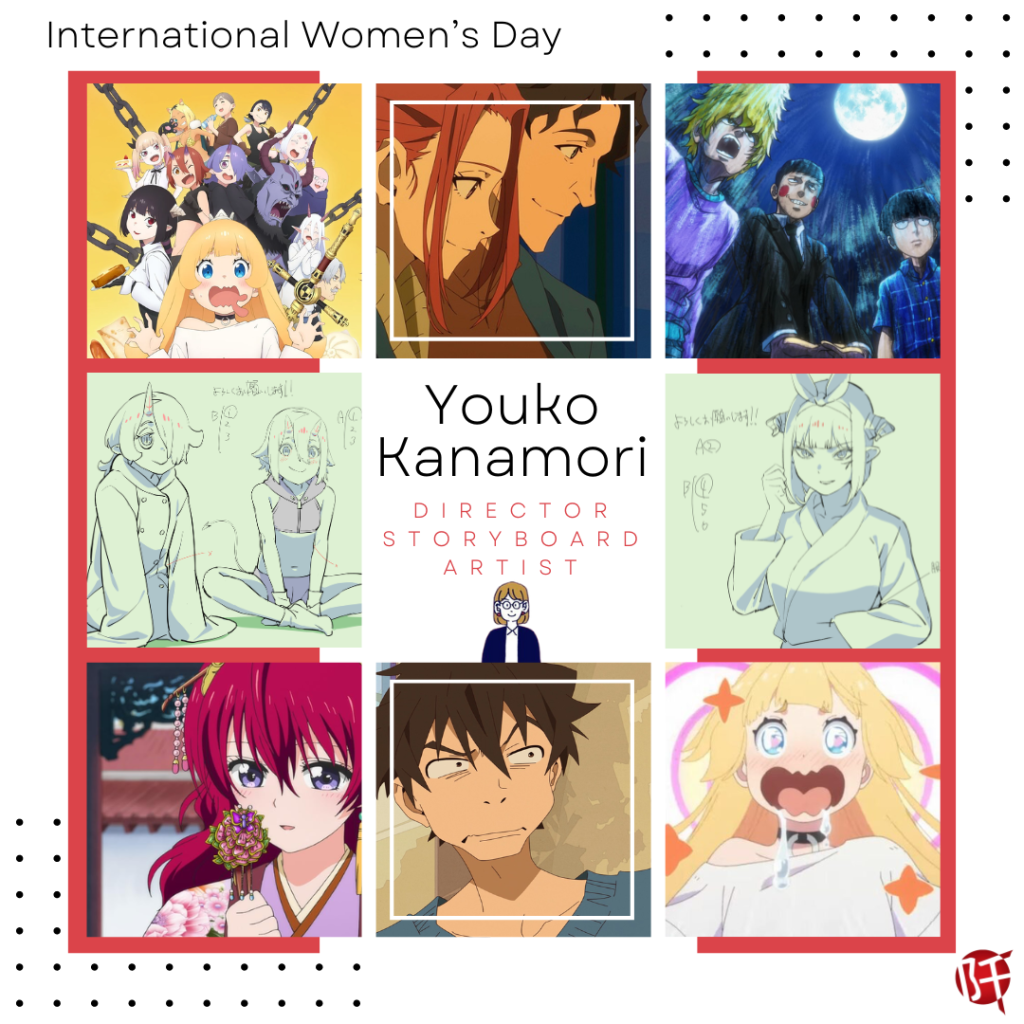
Kanamori’s directorial debut in this season’s ‘Tis Time for “Torture,” Princess comes as the fruit of more than a decade of work in the anime industry. After her humble beginnings as a production assistant for Pierrot and Wit Studio, she settled into a role drawing storyboards and handling episode direction for shows like Attack on Titan!, Mob Psycho 100, Otherside Picnic, and Ranking of Kings. Quite an impressive record—at this point, you might be wondering how you haven’t heard of Kanamori yet! But just like her online presence, Kanamori’s directorial work is subtle and understated. A good director knows how to balance flashy, eye-catching cuts with frame-saving sequences over the course of a full production, and Kanamori excels on that front. Still, when she’s showing off, you can tell. Kanamori’s knack for depicting everything from dynamic character motion to subtle partial-body shots sets her a cut above the rest across the genres of drama, action, and now comedy/slice-of-life. Here’s to what the future holds for this brilliant director!
claire: When I sat down to view the premiere of ’Tis Time for “Torture”, Princess during First Impression season, I did not expect to be witnessing the formation of a new star. That first episode was, as I said at the time, far better than it had any right to be, and as the weeks have passed, this charmingly weird little slice-of-life series about the mind-blowing beauty of very, very mundane things, has become my surprise favorite of the season. And it is largely down to Kanamori’s direction. More specifically, what makes this series such a pleasure to watch—in addition to the slo-mo toast ripping and profusion of cat toe beans—is Kanamori’s excellent sense of pacing. Let’s face it, the premise is not the most exciting, and the repetition of the same narrative formula at least twice every episode could easily become tiresome. But time and again, Kanamori proves that she knows precisely when to push the fantasy sequences to outlandish, action-packed proportions, and when to rein things in, favoring more subtle framing in order to create quiet moments that bring our poor, deprived heroine to the verge of introspective revelation. The result is the transformation of what is essentially a single-gag series into a feast for the eyes and imagination that continues to deliver in fresh ways with every single episode. In short, Kanamori is a master of comedic direction!
Yoko Kuno
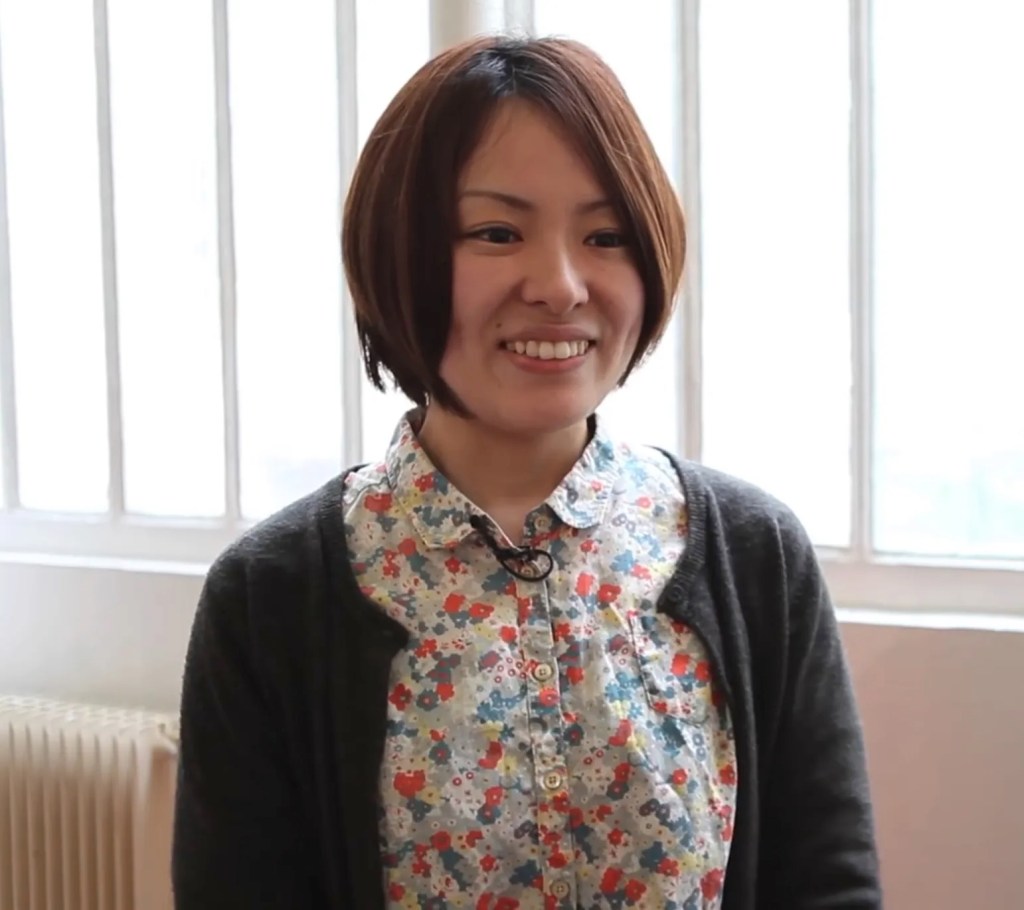
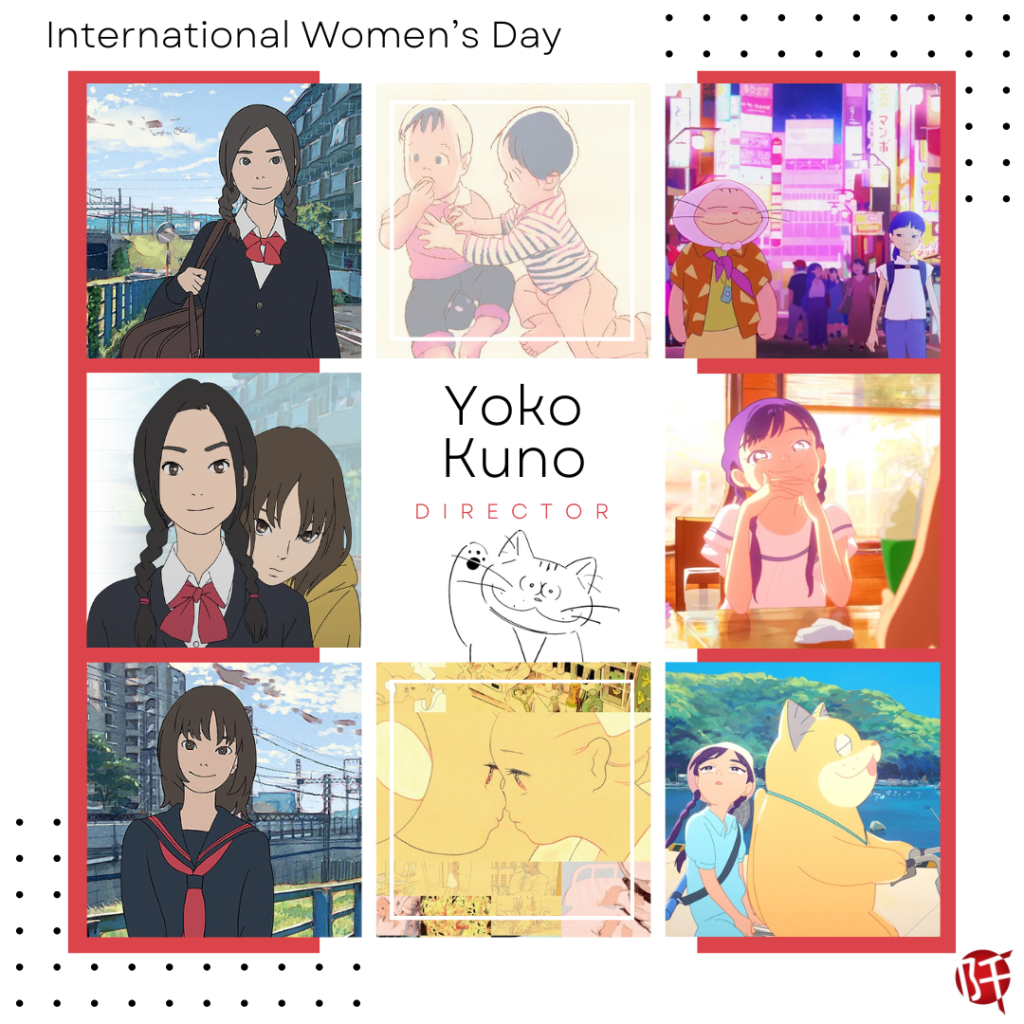
In 2013, a Tama Art University student’s graduation project in rotoscope animation went viral. In the decade since, Yoko Kuno’s journey in animation has been as breathtaking, experimental, mesmeric, and unusual as that first five-minute music video, set to Cuushe’s Airy Me, that put her on the radar of animation enthusiasts around the world. Just two years out of school, and Kuno was already heading up the ambitious rotoscopy direction for Shunji Iwai’s The Case of Hana and Alice, honing her unique approach to the art form. Two more years later, she was racking up credits in the anime industry alongside her indie projects, including concept and character design for Penguin Highway and a Crayon Shin-chan movie, and storyboards, episode direction, and key animation for Beastars and Land of the Lustrous, for which she also created a standout ED that combined her fascination for the organic morphing of shapes and forms, with the distinctive art style of the series creator, mangaka Haruko Ichikawa, to produce a remarkably subtle work in line with the tone and aesthetic of the original manga. This year, Kuno’s first feature-length project, Ghost Cat Anzu (Bakeneko Anzu-chan), is set to release in July and promises to be yet another stunning and inventive work from the young director. This is rotoscopy as you’ve never seen it before, freed by Kuno’s steady hand and her pioneering technical process from the squirming linework that often plagues the art form. It also breaks new ground in international collaboration, bringing together Japanese anime giant Shin-Ei Animation (Doraemon, Crayon Shin-chan, The Dangers in My Heart, Takagi-san) with the award-winning French/Belgian Miyu Productions, uniting a team from disparate animation traditions to create a fresh visual world that is guaranteed to delight critics and audiences alike.
claire: I had the good fortune to see Yoko Kuno’s work-in-progress session for Bakeneko Anzu-chan at the International Animation Film Festival in Annecy last June, and let me tell you, I instantly became a fan! The dominant motif in her short works of objects and people flowing into one another, set and characters merging into something else entirely, is both compelling and disquieting, reminding us to embrace the moment and make peace with the flow of time, space, and indeed, our very lives, rather than seeking to control and contain the world around us. Judging by the clips on show at Annecy, Kuno has transmogrified this visual motif into an entire mode of storytelling for Bakeneko Anzu-chan, taking Takashi Imashiro’s charming, yet simple manga about an unusual cat, and turning it into a heartwarming exploration of childhood abandonment and coming of age. Of course, I’ll need to wait until the film’s release to confirm this impression, but this is the sense I had from the tantalizing snippets I was able to see! Needless to say, I’m counting down the days until the film’s international release.
Light Novelists
Touko Amekawa

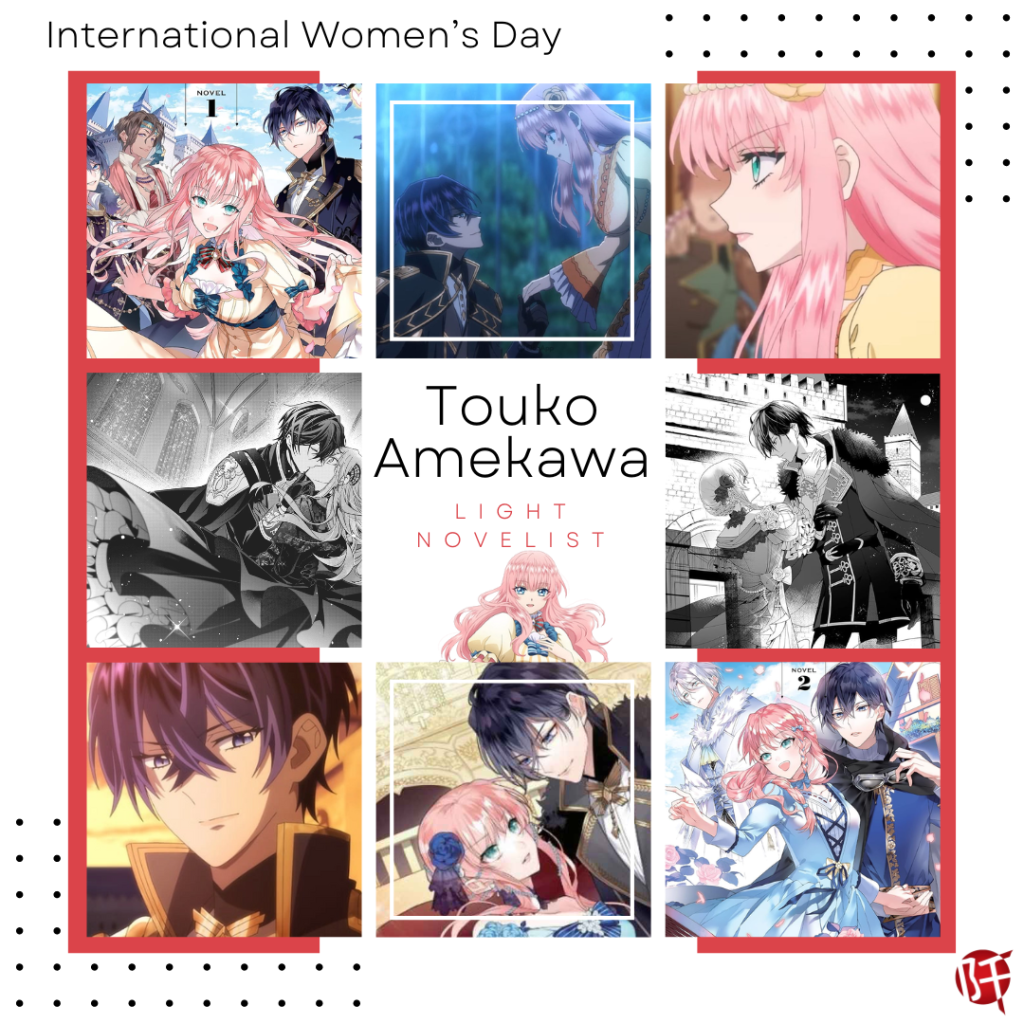
Touko Amekawa knows what she likes and she writes it! Her works, which generally center around strong female leads reincarnated in game-like scenarios who meet their match in tall, dark, handsome men who don’t understand themselves, are informed by her own enthusiasm for gaming. But though they share a common theme, her light novels and manga scripts are by no means derivative. Instead, she plumbs the depths of creativity to devise fresh new takes on the otome game/isekai reincarnation sub-genre that result in delightfully layered works like LupuNana or 7th Time Loop. This richness comes in large part from her process: she starts at the end and works her way back, and writes every scene from multiple perspectives, charting out the emotional arc and plot for each of the main characters involved (usually three or four), to help inform the ultimate version of the scene which is told from one specific POV. Her approach to world-building is similarly intricate, taking up vast swathes of the cloud which are then shared with the mangaka and anime studio teams adapting her work. Amekawa’s enthusiasm for the creative process and her creations is palpable not only to her collaborators, though, but also her fans, as she goes that extra step on her social media accounts to engage with readers and now also viewers from around the world, posting in nearly a dozen languages! What a star.
Jeskai: 7th Time Loop by Touko Amekawa shines in an area where many stories about protagonists with past lives stumble. Too often, stories premised on reincarnation or time loops feel like those concepts are barely relevant—they’re merely plot devices to justify the protagonist having knowledge they wouldn’t normally have access to. If the character obtained that information some other way, they’d still act exactly the same; the past lives don’t really have much bearing on the story or character. What’s so cool about 7th Time Loop’s protagonist Rishe is that Amekawa really sells the idea of Rishe being a woman having her seventh go at life. Rishe displays a degree of maturity and cunning fitting for someone with an extra thirty years of life experience beyond her physical age. I also appreciate Amekawa’s thoroughness in making every single one of Rishe’s previous lives truly matter to the character and the plot. The places she visited in each life, the people she met and relationships she built, the skills she learned—it’s clear that they have all helped shape Rishe into the character she is now. Amekawa’s story has other charming aspects (I especially appreciate how unfailingly considerate and respectful Rishe and love interest Prince Arnold are to each other), but I am most impressed by the depth of Rishe’s character, which stems directly from Amekawa doing such a good job integrating her past lives into the story in a meaningful way.
Laura: As an English speaker, it has been very rare to engage personally with Japanese creators when it comes to some of my favorite manga series. However, that has officially changed thanks to the creator of 7th Time Loop: The Villainess Enjoys a Carefree Life Married to Her Worst Enemy!, Touko Amekawa! I got into the manga last December and have thoroughly enjoyed every volume, and because of that, I knew I wanted to watch the anime this season. Imagine my surprise when some of my friends were retweeting Touko Amekawa’s tweets that were in English! I was so pleasantly surprised and have been eagerly excited to see what she shares each week! It’s made this series that much more of an enjoyable experience as she shares so many fun tidbits each week! She’s broken down a correlation chart so that fans can know how the manga, light novel, and anime match up, the MBTI personalities of Rishe and Arnold, and even who would win if the two played chess! Also seeing her celebrate with international fans when our leads were in the top ten anime one week was so much fun! It really has given me greater appreciation and love for this series, but especially for the creator who has made these characters and series come to life in a richer way than when I read it solo for the first time.
Natsu Hyuuga
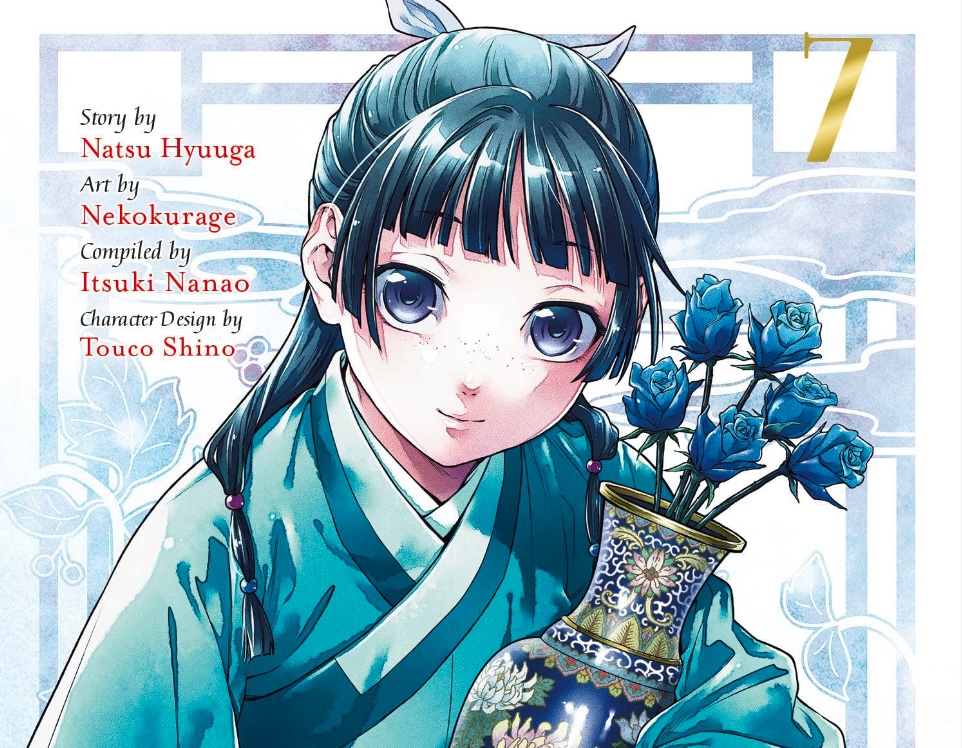
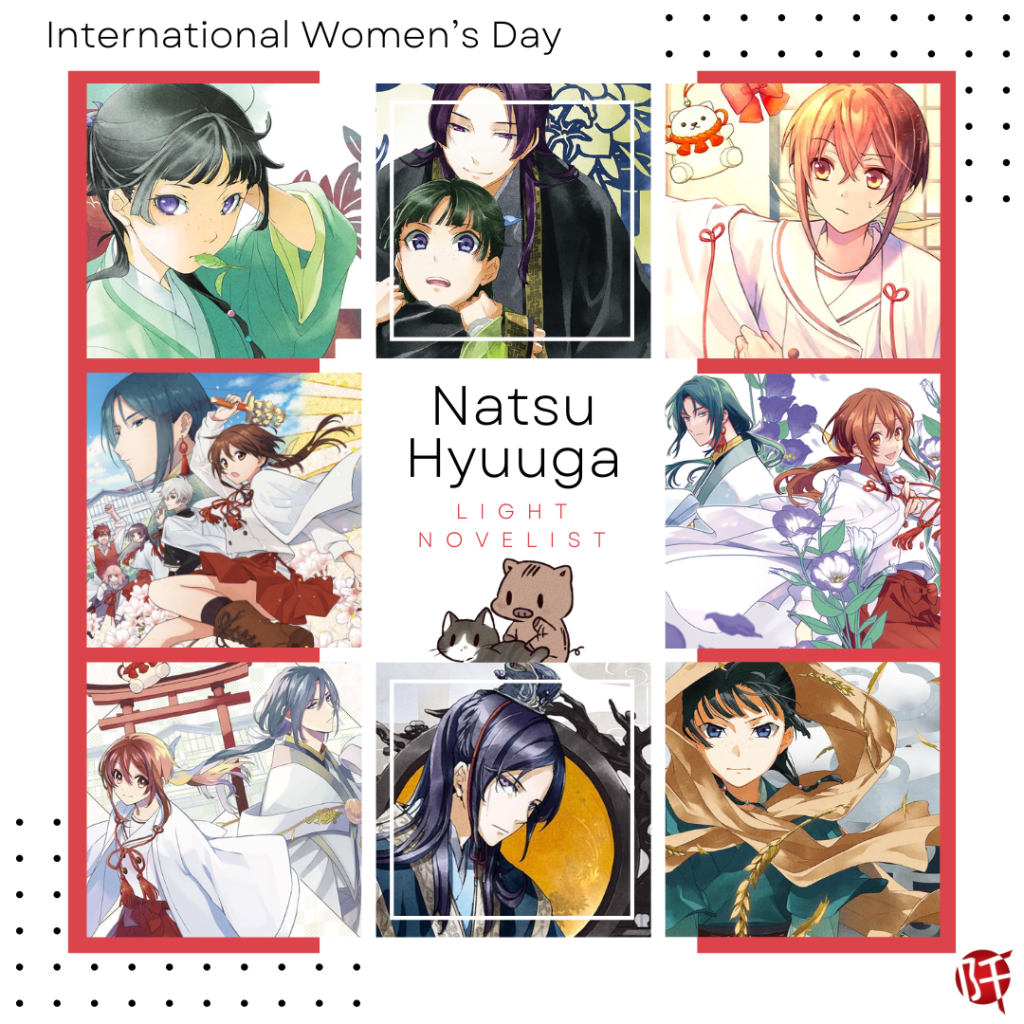
Like many light novelists, Natsu Hyuuga’s writing career started off on the user-generated novel website Shōsetsuka ni Narō, where she published her debut work The Apothecary Diaries. With its unique blend of imperial politics, peculiar mysteries, and, well, Maomao, it’s no wonder that the series was quickly picked up by Shufunotomo and later translated for English audiences through J-Novel Club. Besides that series though, Hyuuga’s written an array of novels spanning the genres of fantasy, science fiction, slice-of-life, and mystery, most of which have received manga adaptations. Her approach tends to be haphazard and unbridled—throw everything at the wall and see what sticks—and that carefree, spirited energy keeps readers coming back time and time again. In the end, though, Hyuuga’s a simple writer; her motivations flow from what she’s most interested in at the moment rather than from the latest light novel trends. In that sense, she’s a little like Maomao: eccentric, ingenious, reserved, and surprisingly relatable.
Jeskai: The star of Natsu Hyuuga’s The Apothecary Diaries is without a doubt the protagonist Maomao. Hyuuga has basically created a counterpart to Sherlock Holmes—if Holmes were a working-class young woman living in imperial China. Given the enduring appeal of the Holmes character, it makes sense that transplanting that archetype into a different context and tweaking it in various ways could result in a truly appealing and distinctive lead. It’s tricky to write a character who can be coldly logical and highly eccentric while not being completely unrelatable, but Hyuuga pulls it off. Maomao is utterly unflappable (almost), leading to many comical scenarios where she reacts to wild situations in ways no one expects, but she has one weakness: Jinshi. The preternaturally beautiful “eunuch” gets under her skin like no other. Maomao’s other relationships within the story, such as with her adoptive father, also help humanize her even as she plays the role of master detective. Hyuuga also skillfully uses the historical setting to weave a tale that feels noticeably different from the Holmes canon and also more grounded and realistic than most other light novels. The light novels are delightful reading, and the anime based on them (currently airing) is a blast as well; it’s especially good at adapting the story’s more comedic moments.
claire: Jeskai has really hit the nail on the head with his definition of what makes Hyuuga’s work shine! To the skillful blending of genres and knack for devising fulsome characters capable of holding in tension the kinds of paradoxes we see in reality–cheeky yet winsome, idealistic yet fully down-to-earth, blunt yet kind–I would add her sense of pacing. In particular, I really appreciate the way she lets her story breathe, balancing the intense intrigue that drives much of the plot and dialogue, with these quiet moments where we peek into the hearts of strangers and protagonists alike, glimpsing an entire world that is not unpacked in so many words, yet is nevertheless palpable. This kind of restraint speaks of her skill as a writer!
Mangaka
Aki Hamazi

Perhaps no story better explains Aki Hamazi’s sudden success than her experience at Comiket back in 2022. At first, she started off at a table in the main building, but then she had to be moved outside to accommodate the growing lines. Lines had already begun forming by the time she had finally settled down, and after a little over an hour her entire stock had sold out. As Kim Morrissy quipped, “Hamazi might have been by herself, but she was also the star of the show”—just like Bocchi! The similarities don’t stop there, though; Hamazi first learned how to draw manga from her sister, and while she claims that the two don’t read each other’s manga, her sister tweeted extensively about the manga and contributed to a Bocchi anthology volume. Sounds like a familiar pair of siblings… In any case, Hamazi’s art certainly reflects her own diverse interests and experiences. She loves to defy stereotypes, go with her instincts, and try new things; in fact, she knew almost nothing about the band scene when she first started writing Bocchi! That spontaneous, creative, joyful spirit animates Hamazi’s writing, and it’s what keeps us coming back for more. Look out for our post on the Bocchi manga this month!
sleepminusminus: Few mangaka have mastered the art of inducing tearful laughter as much as Aki Hamazi. There were several pages of the manga that brought me to tears, only to cut me down immediately with an incisive joke. And that’s what I love about Hamazi; she cares deeply about her characters, their growth, and their flourishing, but never so much as to make her writing cheap or corny. Even when she makes fun of Bocchi, you can tell she’s doing it out of love, as evidenced by her agreement with the anime team not to perpetuate “harmful stereotypes about groups such as extroverts or introverts.” It’s easy to write a story about how friendship and happiness can break down all barriers and save the day. And it’s even easier to write one that pokes fun at people who are hurting and minimizes suffering in the process. The hard and meaningful task is to write one that navigates the delicate balance, fraught with the tensions and difficulties that are at the heart of human life. Bocchi manages that balance, and it’s why myself, and so many others, find themselves relating to (and crying over) it again and again. One of these days I’ll take a trip to Japan for a Bocchi pilgrimage…
claire: The thought of having to summarize in a mere five or six sentences all the reasons why Aki Hamazi is an honest-to-goodness superstar has me melting into a Bocchi-colored puddle in my desk chair! I adored the anime and, if I’m honest, did not think the manga could possibly measure up. Boy, was I wrong! Turns out that Hamazi was the source, the root code, if you will, of all the wild creativity that spun out into ever-increasing spirals of delightful madness in the anime. It’s all there, squeezed into the rows of tiny square boxes that make up the 4 koma, and indeed, not always remaining contained by those graphic walls and instead variously oozing, tripping, and exploding into the pristine corners and borders of the page. Hamazi is an artist who takes constraints and runs with them, leveraging them into something of breathtaking originality. In short, go read Bocchi the Rock, everyone!
Jun Mayuzuki
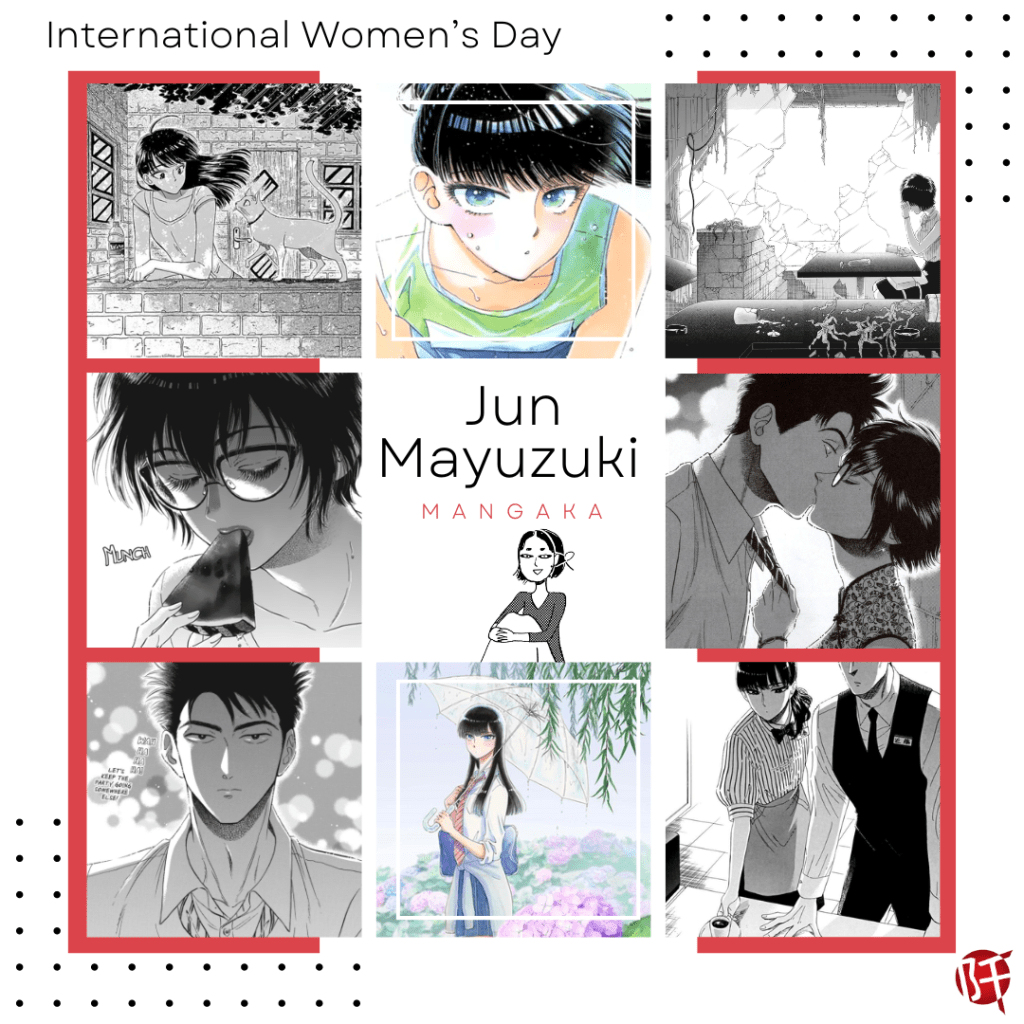
If you’ve read either of Jun Mayuzuki’s most popular works— After the Rain or Kowloon Generic Romance—you’ll immediately understand what draws readers to them. Her art style is distinctive and attractive, and her storytelling balances humor and romance while being imbued with a reflective tone and featuring an unexpected edginess. Born in 1983, Mayuzuki’s debut work was Sayonara Daisy, followed by Iromon!, Mangaka Gohan Nisshi, and then After the Rain, a gentle and often meditative look at a May-September romance that led to an anime adaptation by WIT Studio. Her current work, Kowloon Generic Romance, is an award-winning science fiction manga, though she rejects that genre label. In fact, Mayuzuki seems to defy labels for her work generally—and indeed, they are difficult to pin down in just a word or two. And that’s part of what makes her manga so inventive and even mysterious.
Twwk: I’m currently reviewing both of Mayuzuki’s works on Reader’s Corner—Kowloon Generic Romance as new volumes are released and the After the Rain omnibus editions bit by bit. Despite very different settings and types of characters—the former in a sci-fantasy world with many of its inhabitants harboring secrets or being the center of mysteries, and the latter a modern-day coming-of-age tales mostly featuring high schoolers—both works do the same thing to me. They pull me fully and give me this experience of not just reading about but being in a different world. The wistful tone of her works is almost overwhelming and her characters are three-dimensional; they live and breathe in her worlds and mine, too, when I read her stories. Oh, and I didn’t even mention Mayuzuki’s lovely art style, which seems influenced strongly by some of her favorite series, Evangelion and Revolutionary Girl Utena, adding yet another layer of nostalgia to her manga. Mayuzuki is a fantastic artist and brave storyteller, and even when I’m not vibing with all her story choices, I absolutely remain a fan.
Thanks for joining us again this year to toot the horns of a few talented women whose names will hopefully ring a bell the next time you come across them! Let us know in the comments who we should higlight next year.
Happy International Women’s Day, minna!

may I know the source of information that Kanehito Yamada is a woman? afaik it never stated anywhere
Thank you for flagging this up! I dug deeper, and the sources (Liberty Books and a few Reddit threads) got things mixed up, and we reproduced the error! Poor research on my part. Kanehito Yamada is a man, according to AniSearch, Wikidata, and numerous other sites. I’ll fix this now.
Thank you very much your reply and hard work to research on this! I was actually pretty surprised too when I read Kanehito Yamada’s name on this article because as far as my memory works, they never go public or say something about their personal information, once again thank you very much for clearing the confusion! great articles as always!
And thank *you* for posting your note! It’s really important that we get things right. I’m just sorry I didn’t go deeper with the research sooner! Lesson learned for sure. 😀
[…] between two other worlds: live action and animation. Ghost Cat Anzu actually has two directors: Yoko Kuno, who directed the animation, and Nobuhiro Yamashita, who directed the live-action version of the […]