
Nadeko Sengoku is a 15-year-old girl whose personality has been everything except stable since the start of the Monogatari series in 2009. If we know anything about her, it would be that she’s the silly girl who had a dangerously foolish crush on Araragi. She’s often found at the bottom of best girl tier lists, and the reason for that is no mystery. She has been told straight to her face that her admiration for Araragi is toxic (quite literally) for herself, him, and everyone else involved. But she has never been able to work through this internal conflict until now. The Nademonogatari arc that culminates in episode six completes her story in the most radical way possible. Nadeko’s arc is one of hope because it reveals that we live in a world where a compassionate Author intervenes to ensure that we have a future—one full of grace, purpose, and yes, love.
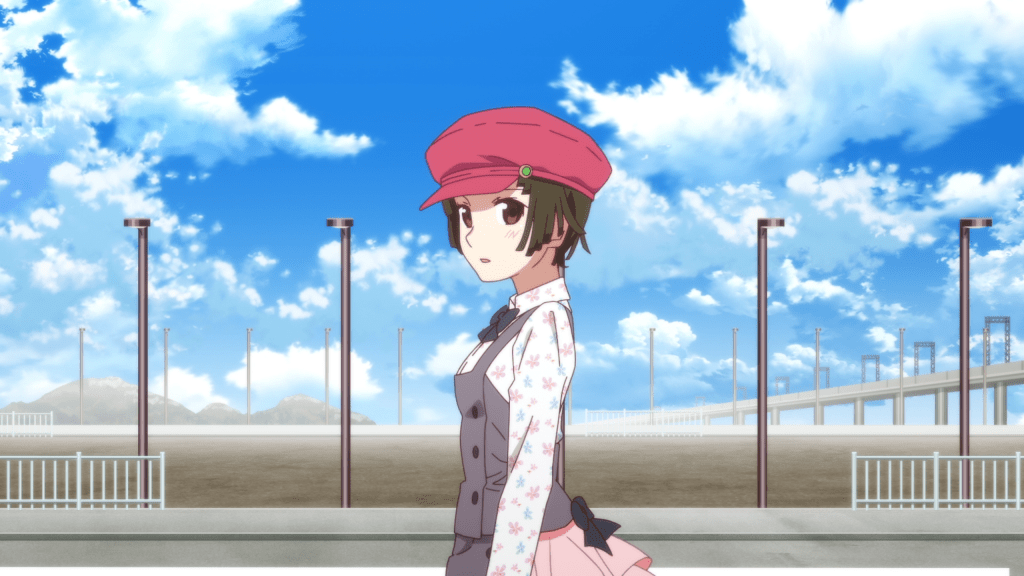
In case your memory is a little rusty (it’s been a while!), Nadeko is Tsukihi’s childhood friend who never let go of her crush on her friend’s older brother, Koyomi Araragi… More importantly, she is a master of playing the victim. Instead of snapping out of her youthful delusion when Tsukihi told her Araragi had a girlfriend, Nadeko preferred to keep playing the role of the unfortunate heroine. But all hope for love ended in a horrible incident. Araragi overheard her talking to a snake apparition and rejected her before she even had the chance to confess to him properly. Without the cover of victimhood, Nadeko thought she could find comfort in the power of an evil snake god. This god took control of her, turning her love into fierce hatred. But even while torturing her beloved Araragi, she manages to continue playing the victim since her behavior is not under her control. Kaiki finally puts an end to her reign as the ultimate victim by pointing out that her life’s purpose is more solid and real than chasing an unavailable guy. Her real purpose is to become a mangaka, and she’ll have to actively commit herself to that path. She abandons her kami powers to take that first step.
Despite how central she is to the second season, we hear little about Nadeko or her new life during Owarimonogatari. The lack of a Nadeko arc only drew more attention to her; at least, that’s the effect it had on me. I wondered if she could devote her life to being a mangaka. We’ve never seen her take action or commit toward a personal goal, so I didn’t think a 100%-dedicated Nadeko would be very believable. So when I heard that her new arc was called Nadeko Draw, I feared we would see a forced transformation, mostly leaving behind the past like it didn’t happen. Luckily, I had underestimated Nisio Isin, because right from the first few minutes, it became clear that he was fully aware of these tensions. Nadeko acknowledges how her personality has been all over the place and concedes it could almost be said to be bad writing. Her past is put aside as she comes face to face with her various split personalities and slaps them back into paper, from where she created them, culminating in a boss fight against Divine Nadeko.
Seeing the way she takes a truly active role in coming to terms with her past is refreshing. It’s almost as if we see her real personality for the first time in a way that feels completely natural. And after that boss fight, I was happy to rank this arc as comfortably above average for the Monogatari series. But to my surprise, this wasn’t the end. There was still one last self for her to face: Meek Nadeko. It turns out that Meek Nadeko had been pulling the strings all along, using the other Nadekos for her secret purposes, buying herself the time to do what deep down she wants to do: wait for the guy who went to Naoetsu High School.
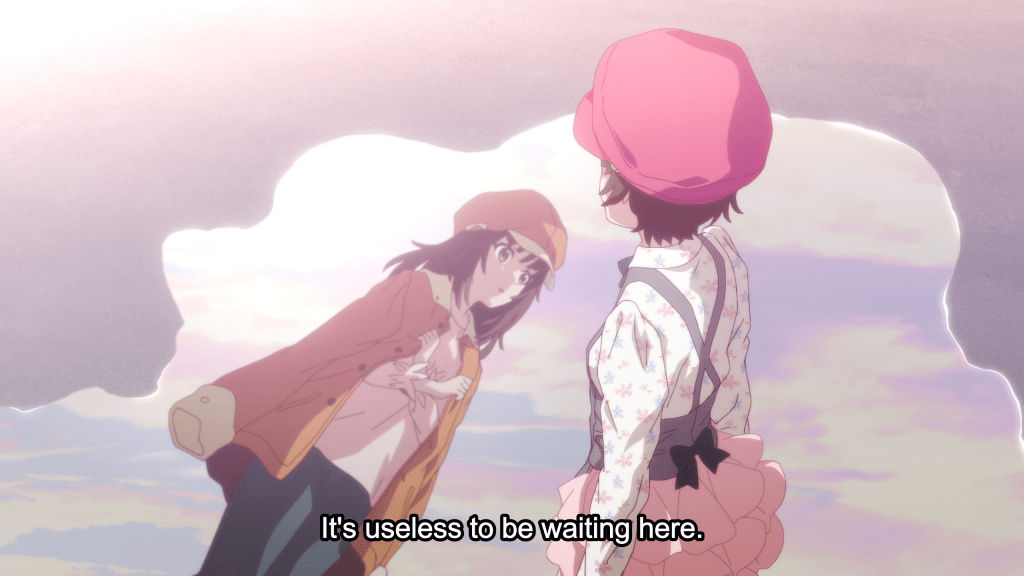
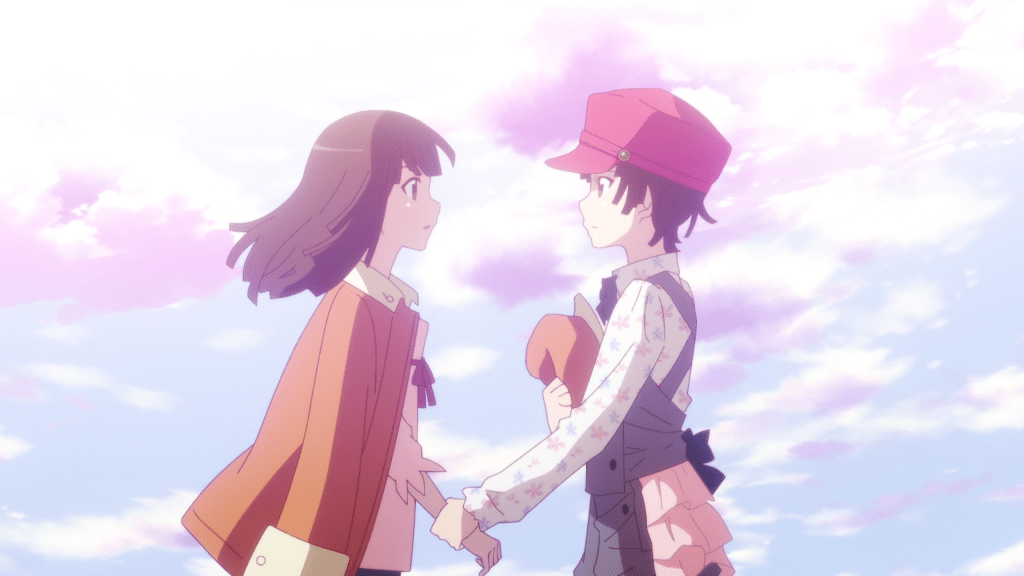
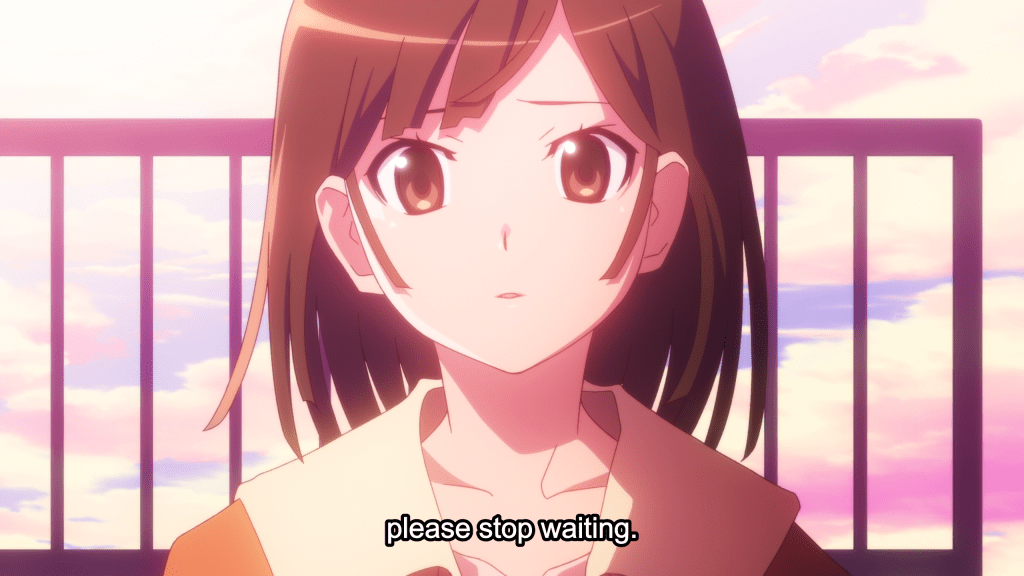
Meek Nadeko is a version of Nadeko from last year; she’s the girl who refuses to step into the future. She prefers to wait forever for a guy who will never show up. Current Nadeko approaches this immature and scheming girl with a cool air. She is one year older and has gained self-confidence and purpose from her new identity as an aspiring mangaka. She tells Meek Nadeko that waiting won’t do her any good now, no more than it did in the past. Meek Nadeko acknowledges the truth in this and apologizes. But this apology is merely another tool in Meek Nadeko’s arsenal to cast herself in the victim role again. How infuriating. The older Nadeko won’t accept this tactic, and she looks like she’s about to slap some sense into the foolish girl. This would be in line with how the series has dealt with her self-pity up until now, and turning Nadeko into her own judge here would tie up the loose ends neatly.
Let’s pause here for a second. Have you ever wanted to slap some sense into yourself like Nadeko? Maybe you’ve fallen back into a bad habit or failed to live up to the standards you set for yourself, the standards you think God has for you. I know I have. It’s so easy to beat ourselves up over how we “should know better” or “be stronger.” However, this often leads to stagnation rather than helping us move forward. Getting out of the pit of self-condemnation is easier said than done because it’s deceptively tricky to look at ourselves and our pasts with grace. But that’s exactly what we need to do. And it’s exactly what Nadeko does.
Nadeko could’ve captured her Meek self in a piece of paper to finish business once and for all, but instead, she looks this defenseless girl in the eye and shows her that she cares for her. She pleads with her to step out of this lonely limbo and join the future with all the other parts of herself.
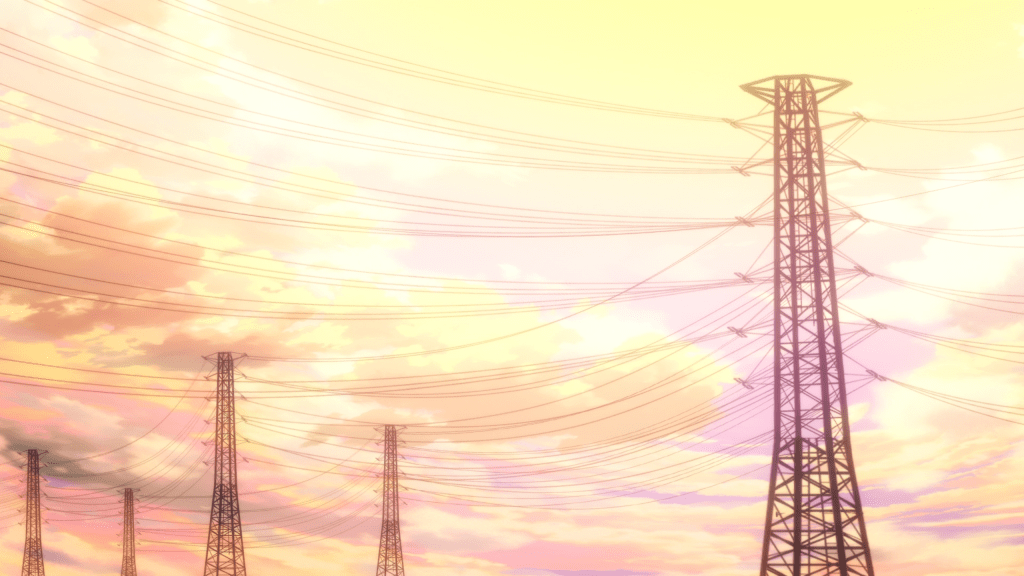
Before we hear Meek Nadeko’s answer, we’re guided to the next scene through a series of beautiful pillow shots, during which it becomes clear that we’re listening to a slowed-down guitar version of Love Circulation, Nadeko’s opening from the first season. This interlude prepares us for an unexpected perspective. What if the sentiment in that OP, the joy of potential romance, contains something genuine in it? What if the love that Nadeko thanks God for in the chorus is more than something to be ridiculed?
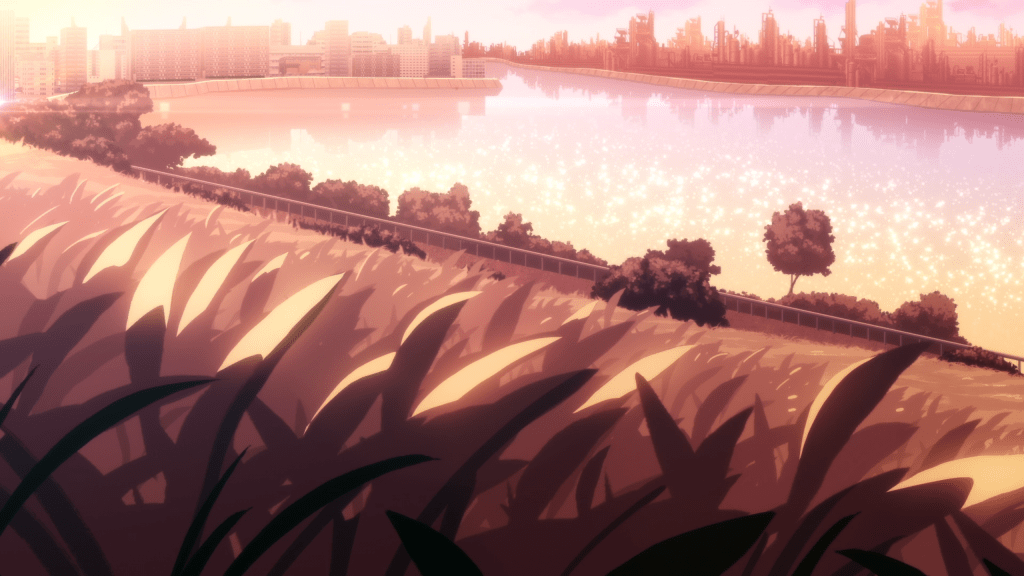
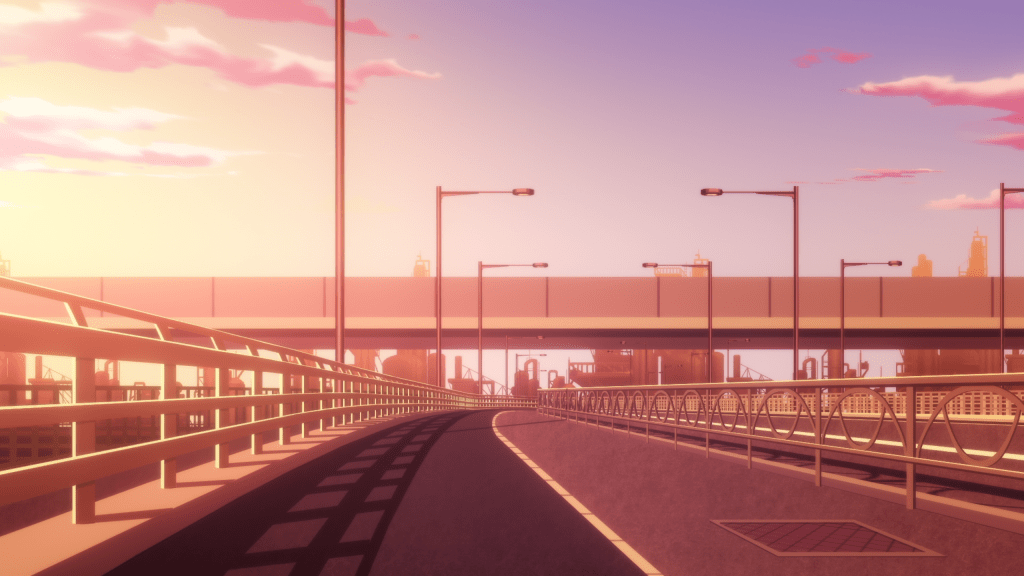
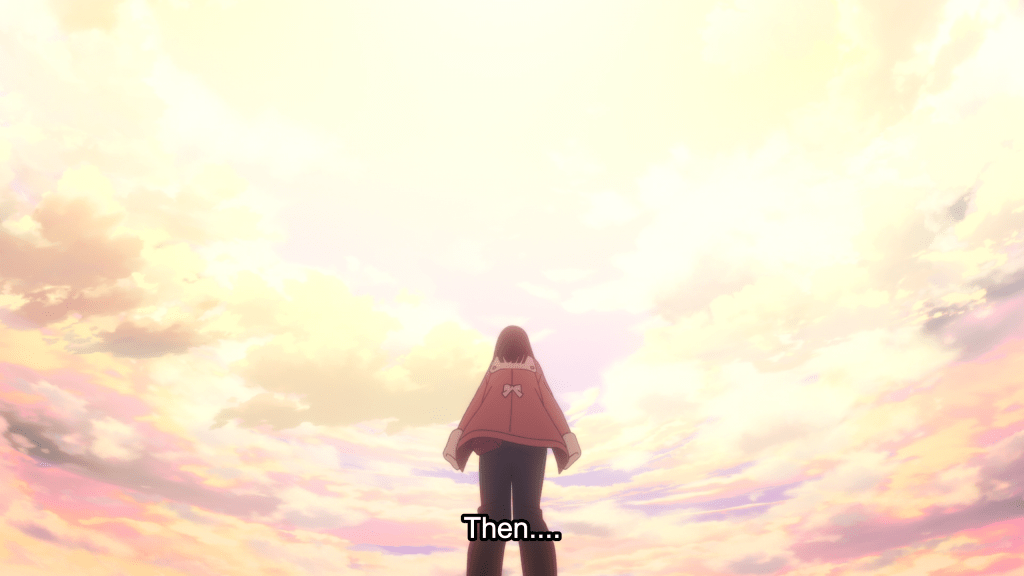
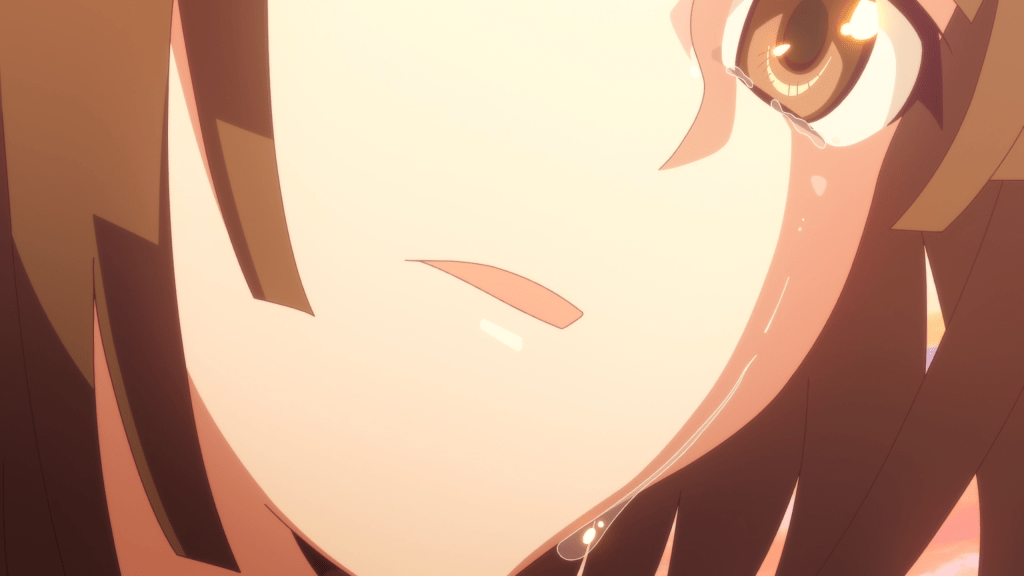
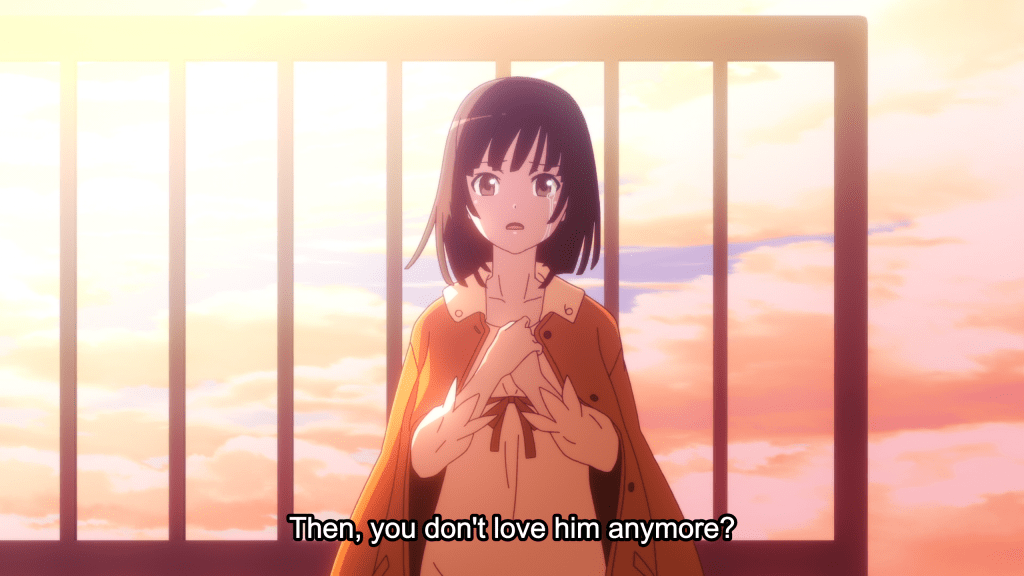
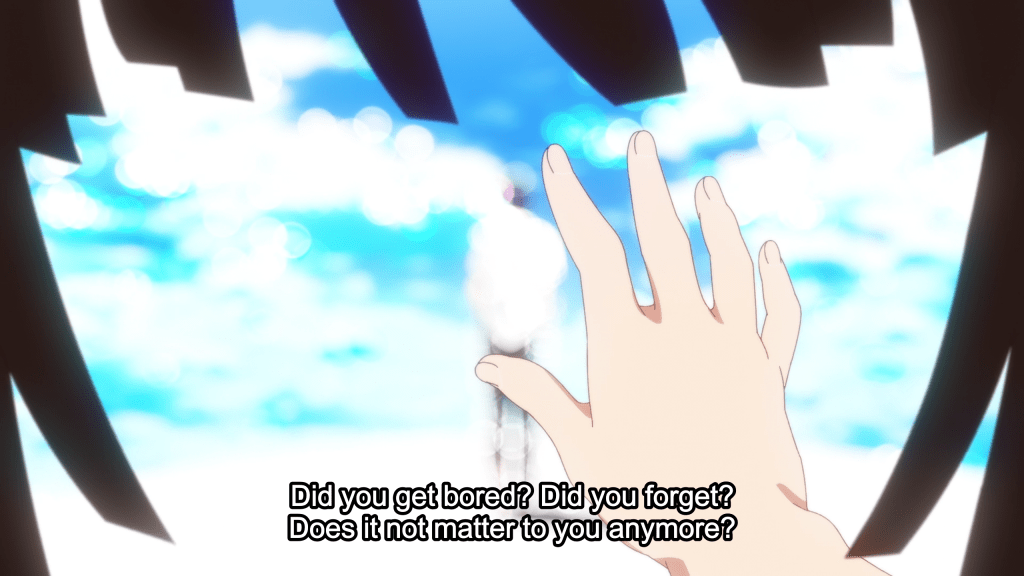
Meek Nadeko breaks the silence with a tearful voice and asks, “Then, you don’t love him anymore?” Kana Hanazawa’s excellent voice acting seals the deal. I was just as caught off guard as Nadeko at this moment. This short intermezzo managed to do something extraordinary. By this point, it is an established fact that Nadeko’s childish and delusional crush should be condemned fully, as the series has depicted her unsympathetically. But now, something shifts in the way Nadeko and her obsession are presented. We’ve been taken out of a Judgement Circulation, to hear her perspective for the first time. Meek Nadeko shares that simply waiting and hoping were enough to give her joy. She wouldn’t grow to become resentful, no, even if her love were never to be reciprocated. Nadeko lays bare the depth and humility of her love. We then see flashes of Araragi, whose name has been avoided this entire arc. Meek Nadeko asks in despair, “Did you get bored? Did you forget? Does it not matter to you anymore? Has it gone away? Is the future that boring? Did I turn into that kind of adult?”
Rather than hysterical, Meek Nadeko sounds sincere, and her concern is legitimate. I, too, would be disappointed to see a Nadeko who simply avoided talking about Araragi rather than working through her heartbreak. It would almost make her new ambition to become a mangaka feel like a distraction. Meek Nadeko ups the ante by addressing the subject of love, but unlike the English subs, she avoids referring to the object of her love. It’s too painful to mention his name, so instead, there is only the blurry image of Araragi, as if seen from Meek Nadeko’s teary-eyed point of view. The blurriness here conveys both how painful and how misplaced her love is. This misplacement has hurt her so much that Current Nadeko seems to have abandoned love in general. In fact, a more literal translation of Meek Nadeko’s question would be “Then, don’t you love anymore?” Love itself is at stake here! All the more reason for Nadeko to confront her heartbreak head-on!!
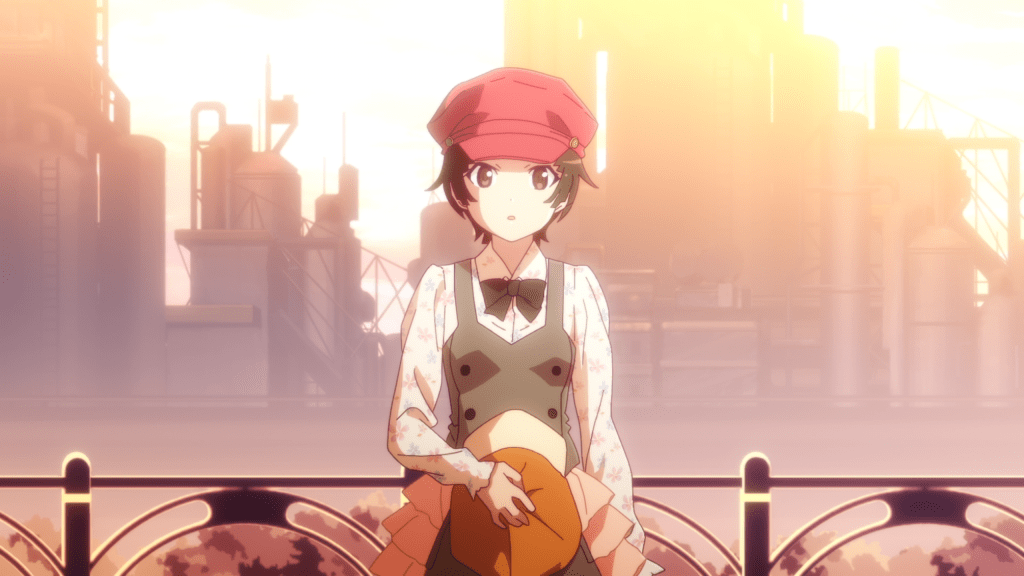
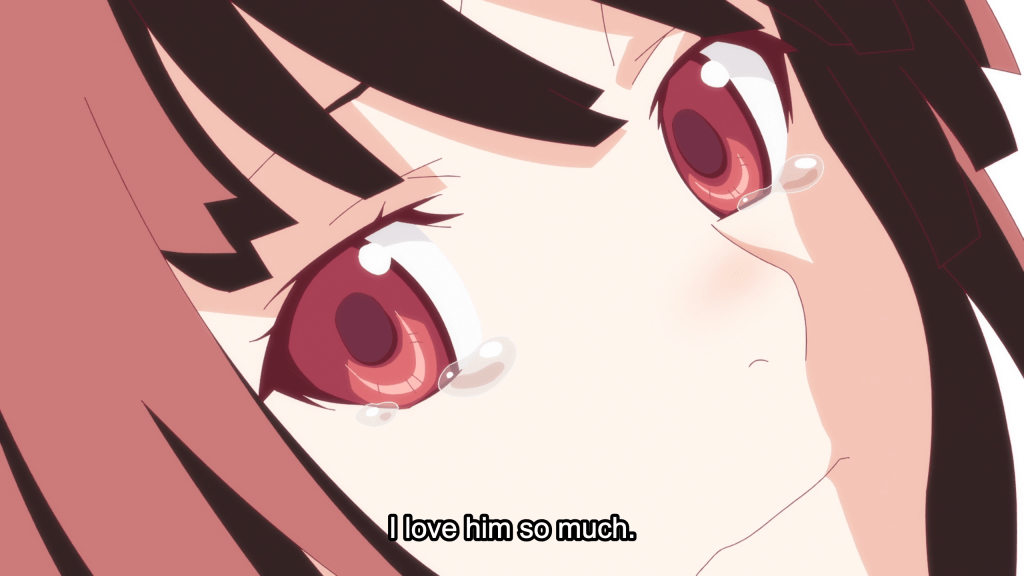
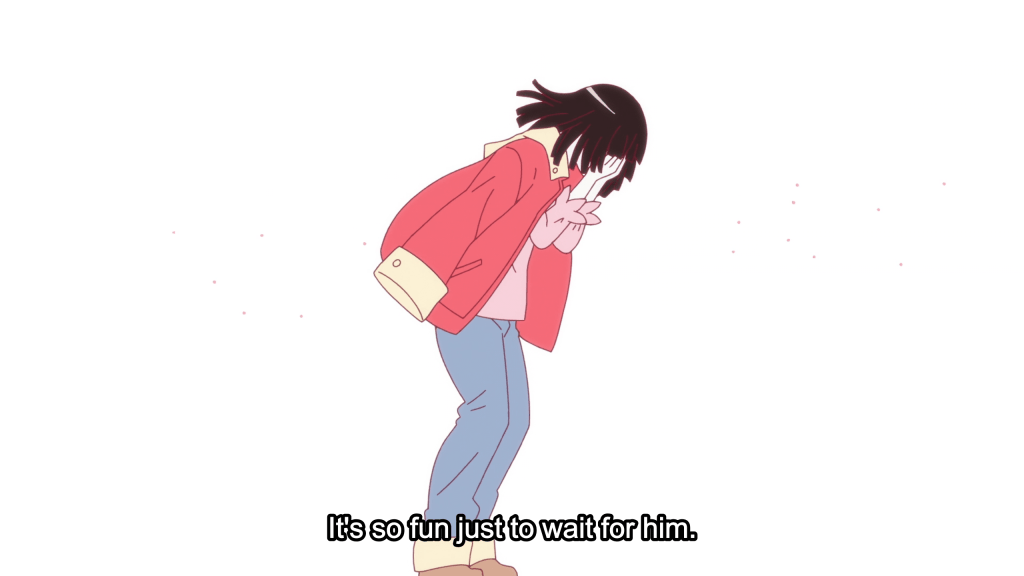
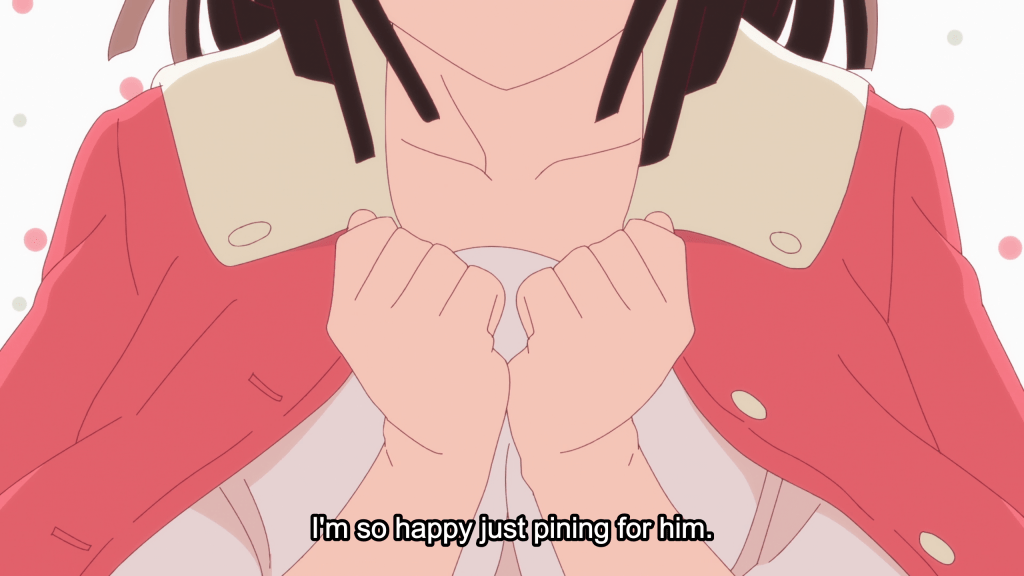
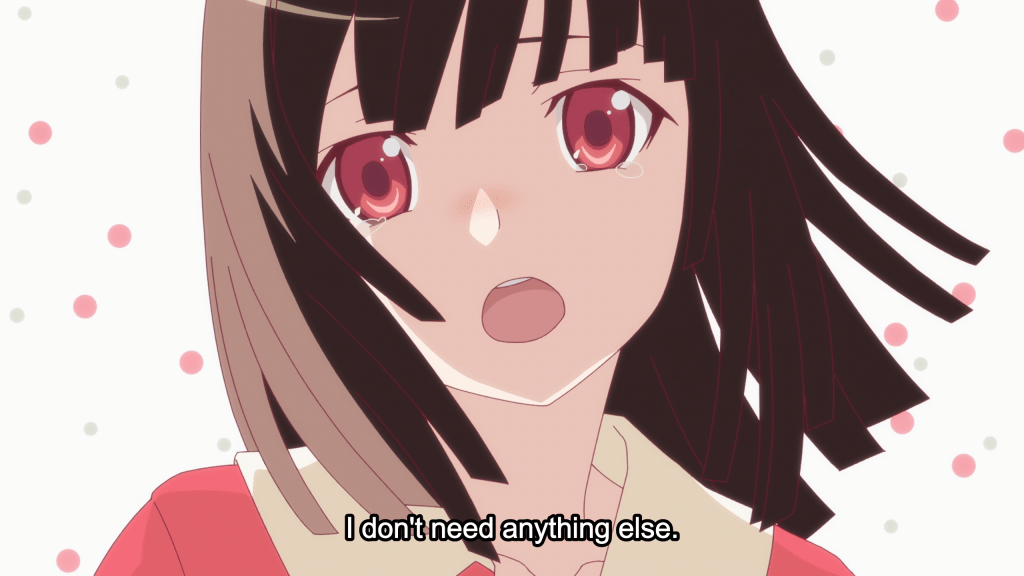
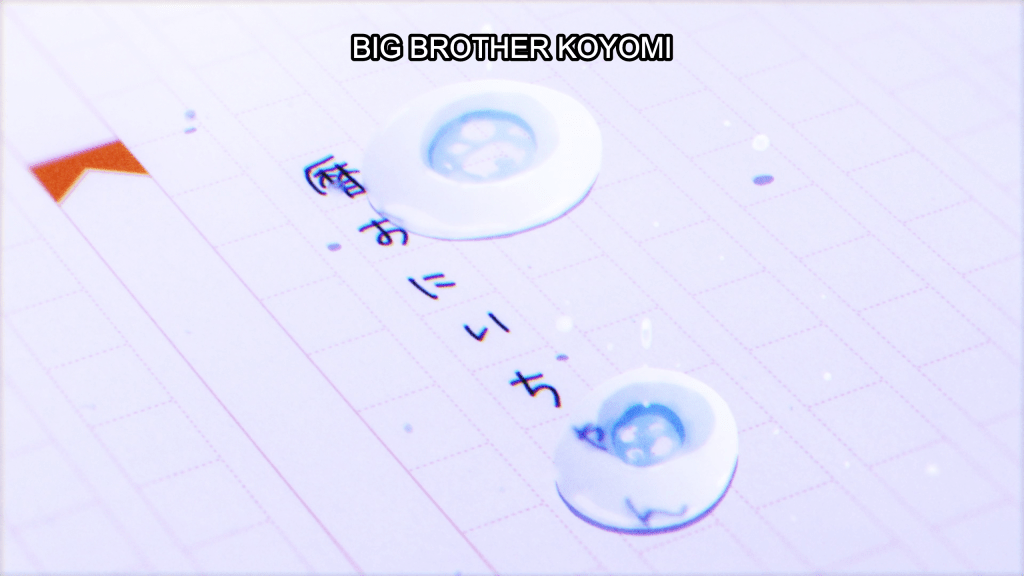
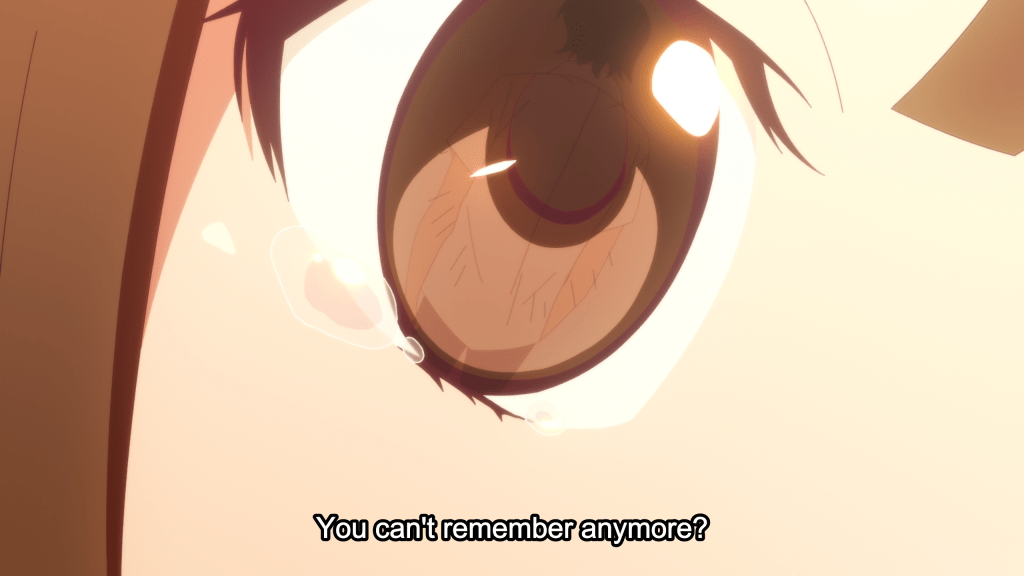
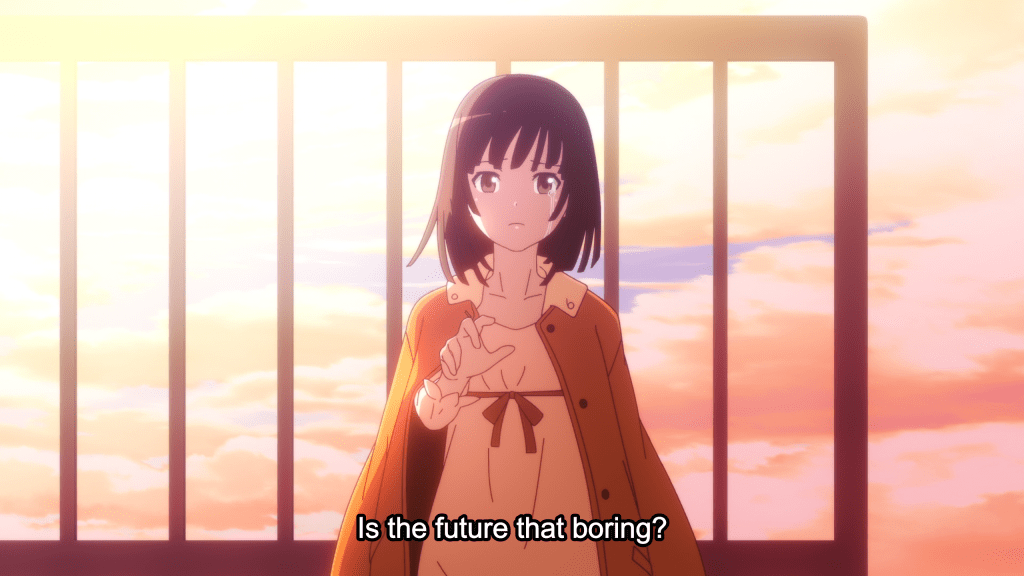
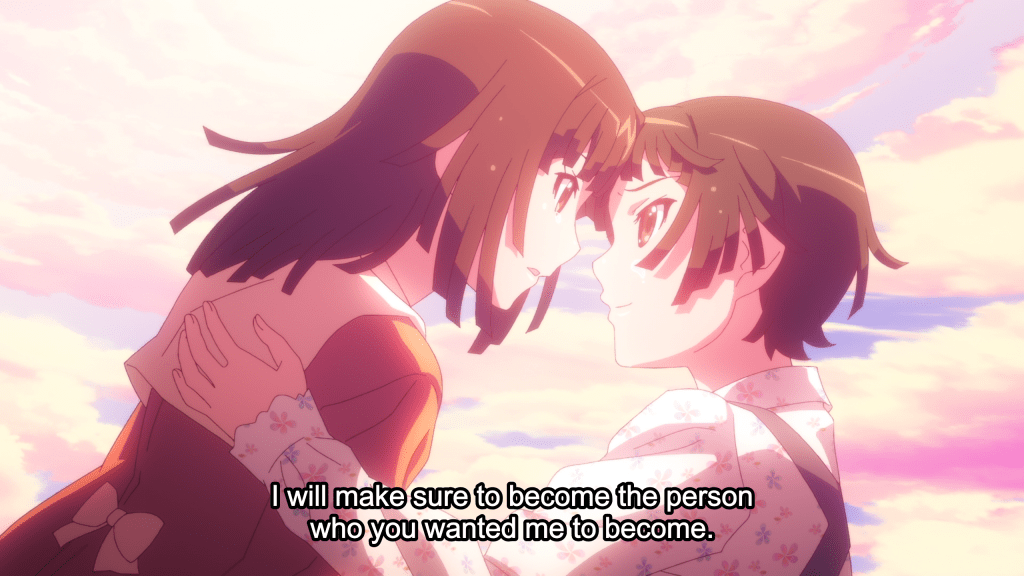
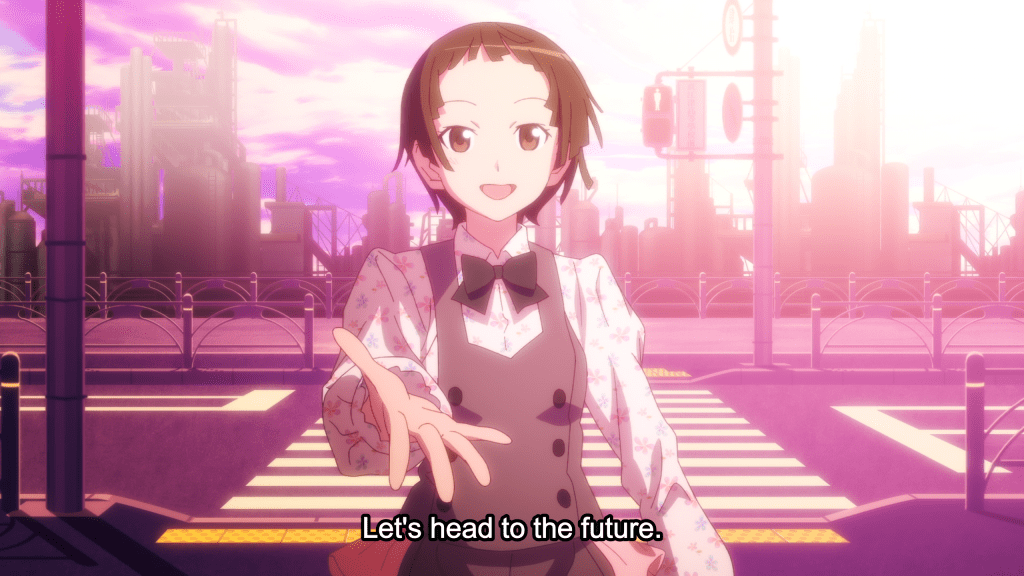
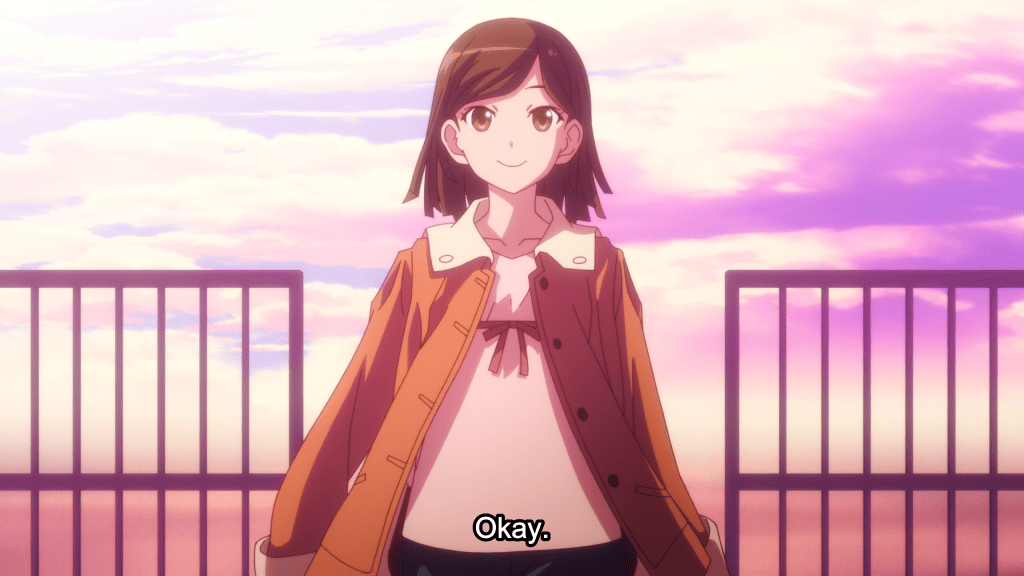
To my surprise, her response was graceful, compassionate, and more direct than I anticipated. Instead of demanding her meek self to submit, she addresses her by name, goes over to Meek Nadeko’s side, and embraces her. She understands her concern and wants to reassure her that she has not given up on love. “I’ll love someone again… …I’ll chase my dreams, I won’t learn my lesson, and I’ll fall in love again.” She finally addresses this painful topic, and with incredible confidence too. She dares to use an object for her love: someone. She’ll risk getting hurt again, because she hasn’t forgotten how precious love is. She chooses humility over cynicism and won’t let her childish heartbreak turn into failure. By confidently saying she’ll fall in love again, using the word “koisuru,” more committal than the anime standard “suki,” Nadeko is going the second mile to reassure Meek Nadeko. Now, her invitation to move on no longer has a sting. After that heartfelt promise, Meek Nadeko is ready to step into the future with a smile.
Meek Nadeko takes a step toward maturity and a bright future that now has the capacity for love to weave into her story in a way it couldn’t while she was stuck on Araragi. She gets there because of compassion from one who is more mature than her; but what about Current Nadeko? Where did she get this compassion from? How was she able to extend such grace to her younger self?
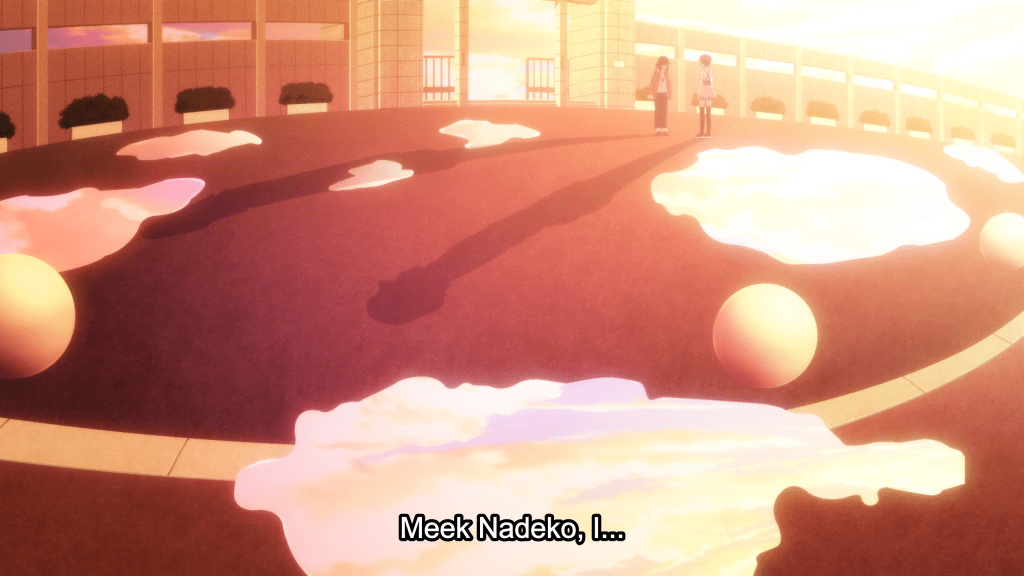
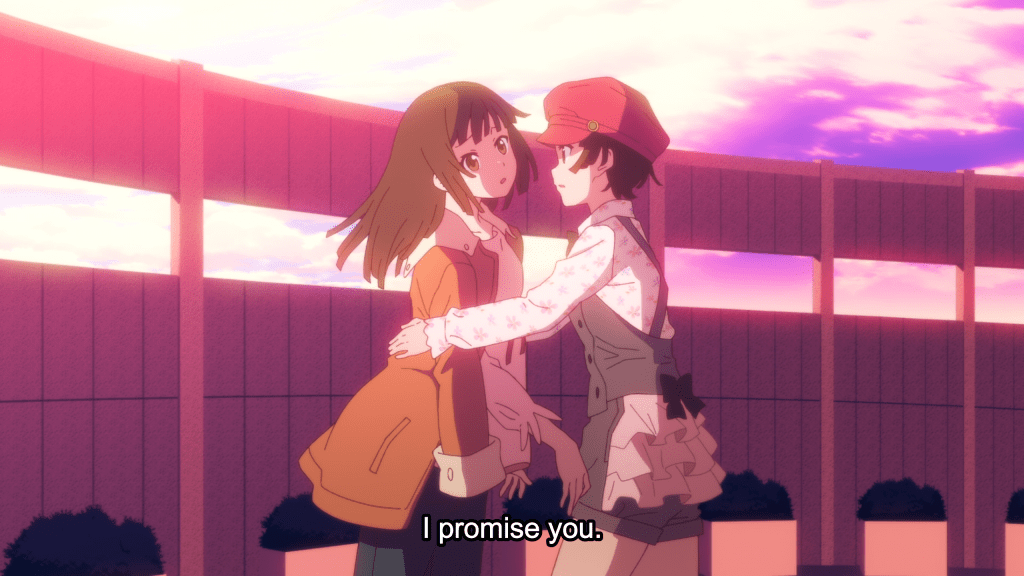
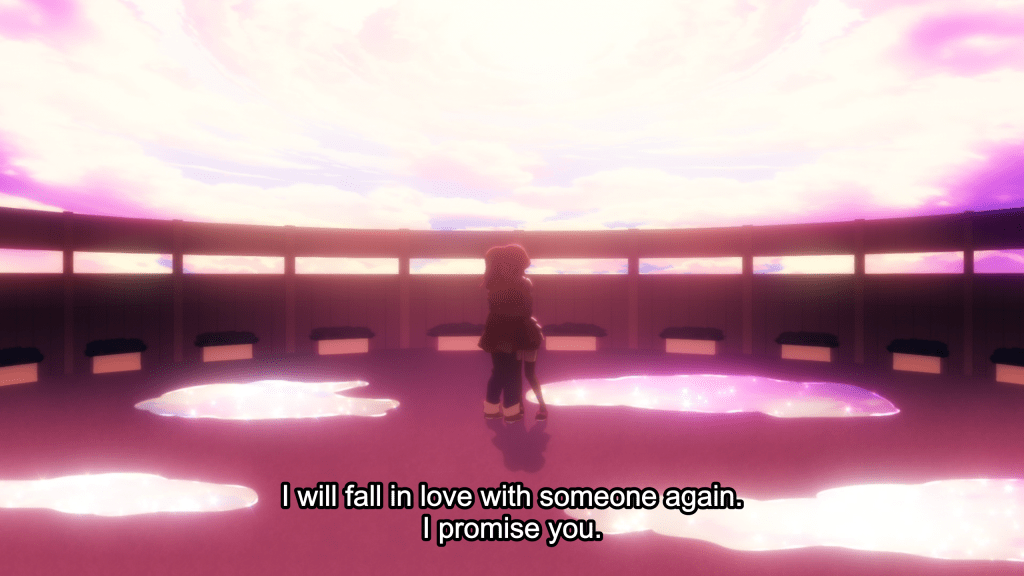
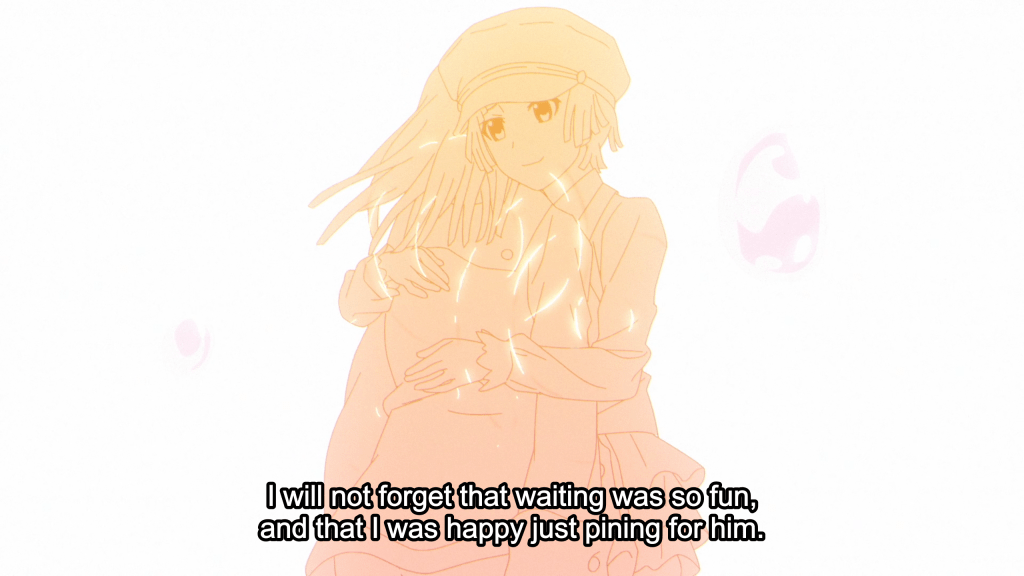
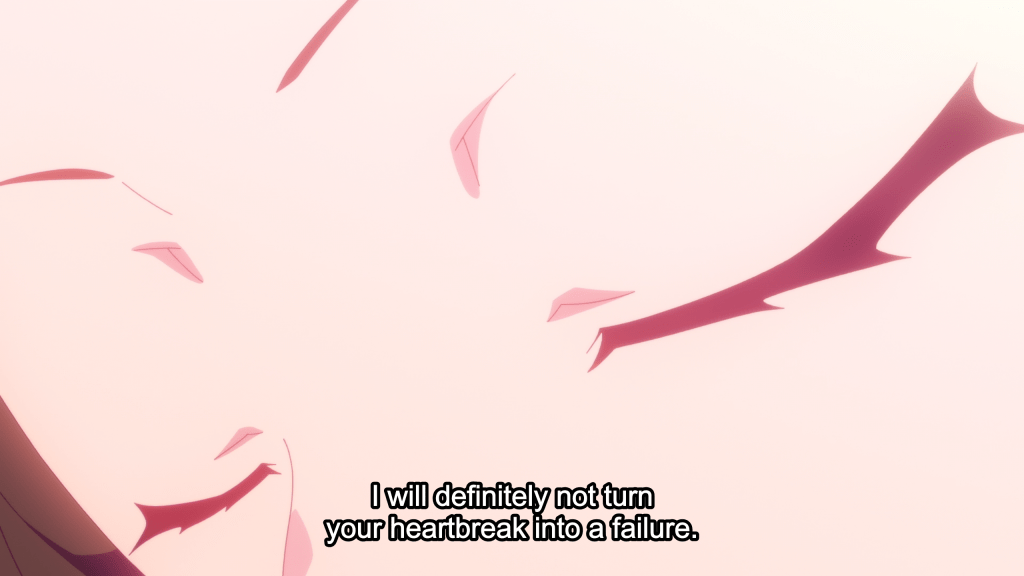
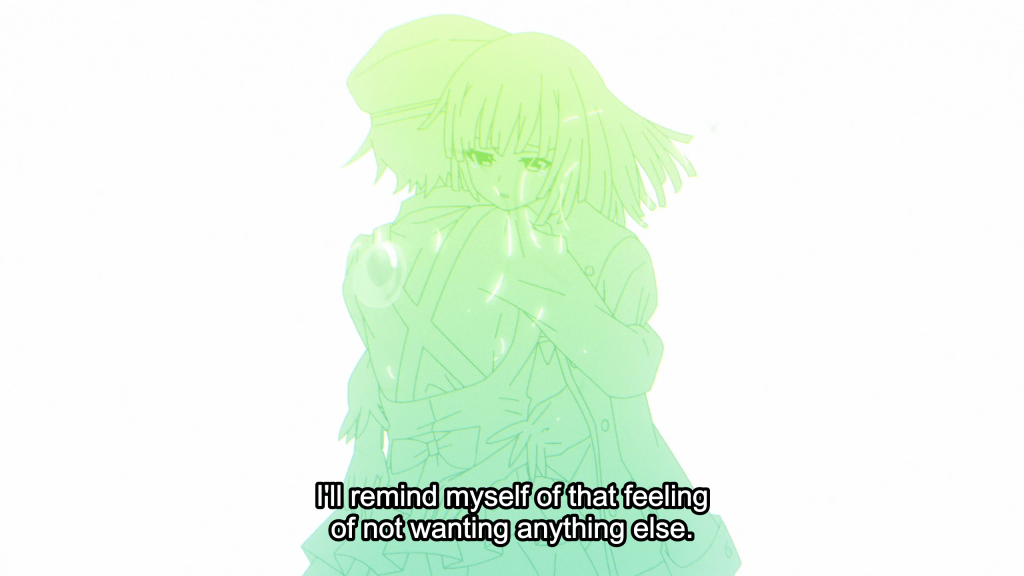

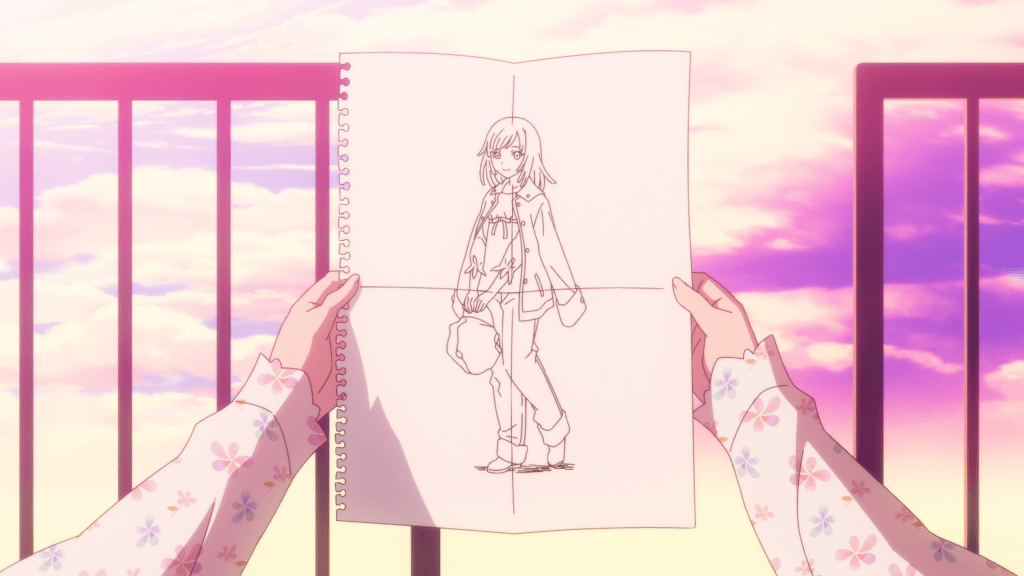
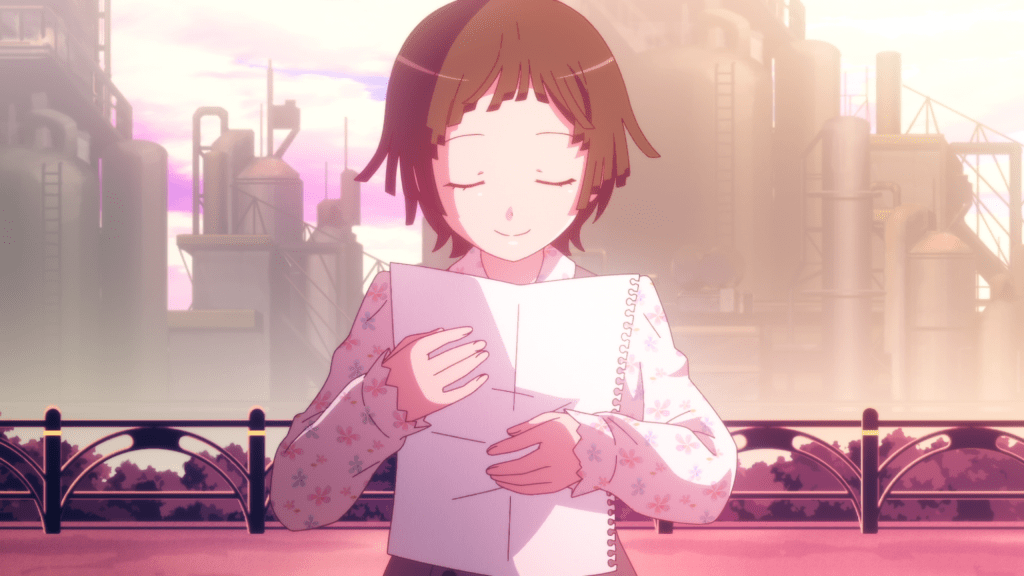
Here’s where we get to the best part of this stunning finale: Nadeko is transformed by the compassion of the writer himself, Nisio Isin, extended to her here. By having Nadeko meet her split personalities, he’s allowing her to uncover the genuineness at the heart of her love and to bury the bitter venom of the past. Instead of turning Nadeko into her own judge, he helps her to see herself in a new light. Nisio Isin does this because he looks at Nadeko and sees a worthy character despite her ugly past. Now, if only we had a writer like that in our lives to help us get out of our ruts and prisons… Oh wait, we do!
We have a God who sees all our faults but has planned a future where we grow past them. Our privilege in this is so great that it’s almost impossible to overstate our good fortune. We sell short our divine Author when we think of God only as wise, powerful, and merciful while forgetting how deeply he loves each one of us. We are his treasure and delight, and he, more than anyone, wants us to know that. He is not judging us continually. He gently teaches us to take that next joyful step forward. And isn’t it amazing how he uses anime to do this?
It’s exceedingly rare to find an anime that manages to keep tensions over the span of seasons without forgetting them when it’s time to work through them. In this arc, the Monogatari series managed to do just that. I have always thought that Nadeko had great potential as a character, but this arc solidified her as one of my favorite characters in anime. Great moments like these are what make anime special to me. Fantastic writing, excellent voice acting, meaningful visual imagery, and masterful use of music combine to evoke a deep emotion only found in film. This episode gave me that unique experience, and if the Monogatari series has more moments like these in store, then I won’t mind if it continues for another decade.
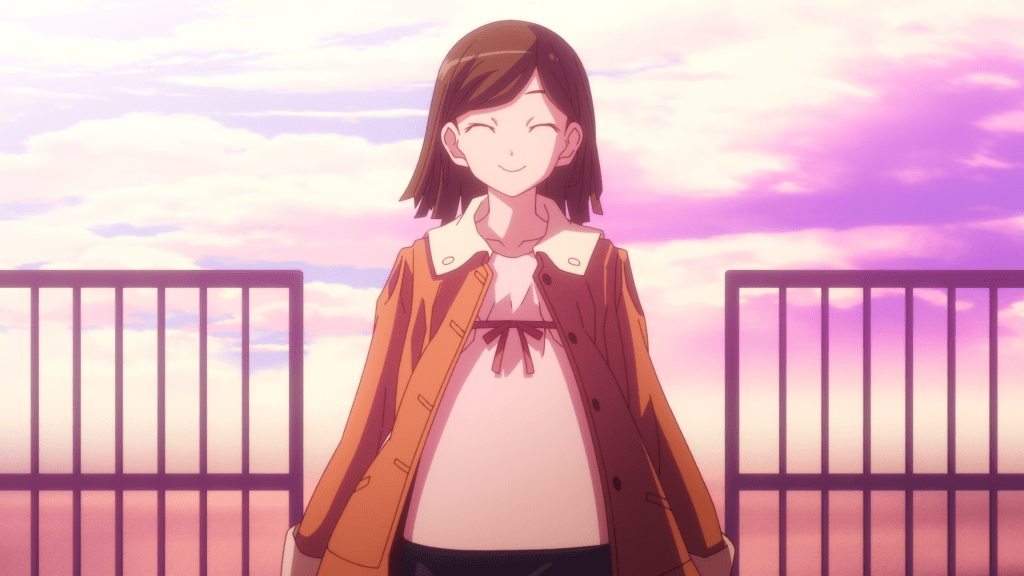
MONOGATARI Series OFF & MONSTER Season is streaming on Crunchyroll.

- First Impression: An Adventurer’s Daily Grind at Age 29 - 01.07.2026
- First Impression: Tune in to the Midnight Heart - 01.06.2026
- First Impression: The Demon King’s Daughter is Too Kind!! - 01.06.2026

Wonderful article! I have had my ups and downs with the Monogatari Series, but I believe that the best moments are among the best in all anime. The show has a very good eye for small, meaningful, unexpected interactions between people, and you really bring that to the forefront. Thank you!
Thanks for the kind words man! I’ve had the same experience. In recent years, the lows have been on my mind more prominently, so I forgot how good the series could be at its best. This arc definitely reminded me!