
“I’ll do it all myself.”
The first half of Zenshu, MAPPA’s meta ride following Natsuko, a director reincarnated into the anime movie that inspired her to become an animator, has shown moments of personal growth for the supporting characters and optimism for their story, which in canon form was devastatingly sad. But there hasn’t been much change for the protagonist herself. The same woman who said “I’ll do it myself” to her animation staff has increasingly said the same to her party in the isekai world. But in episode six, there’s a turning point for Natsuko and the entire team when she finally decides that she won’t (and probably can’t) do it herself. The lessons she learns in inviting her party into the battle as equal partners are the same ones we in leadership—especially in ministry—must learn, too, if we want to be more like Christ.

Leadership doesn’t happen in just ministry, of course, and it isn’t always formalized. We all are likely to take on leadership roles throughout our lives, whether at work, at church, in the community, or among family and friends. How we behave defines our role as a leader—something I discovered here at Beneath the Tangles, just as Natsuko does in episode five of Zenshu.
Previously, Natsuko had shown an OP ability by using her magical pegboard to defeat Void enemies largely on her own, ignoring Luke’s order to stand down and creating a samurai character. Unfortunately, his ability doesn’t match well against the slime-like Void the party has encountered. The character is defeated, Natsuko fails, and she almost dies; then, in episode six, the Void marches toward the tower containing the Soul Future and creates an impenetrable chrysalis. It looks like the Soul Future—and hope for this fantasy world—may finally be lost.

As the team considers what to do next (and as Luke chastises her), Natsuko remembers displaying a similarly haughty attitude in the past and receiving a similar reaction from her past “party.” As a director, she would do much of the work herself that was supposed to be assigned to other animators. Meanwhile, the staff would be left frustrated, with nothing to do. One coworker angrily replies, “Don’t act like you’re making this all by yourself.”
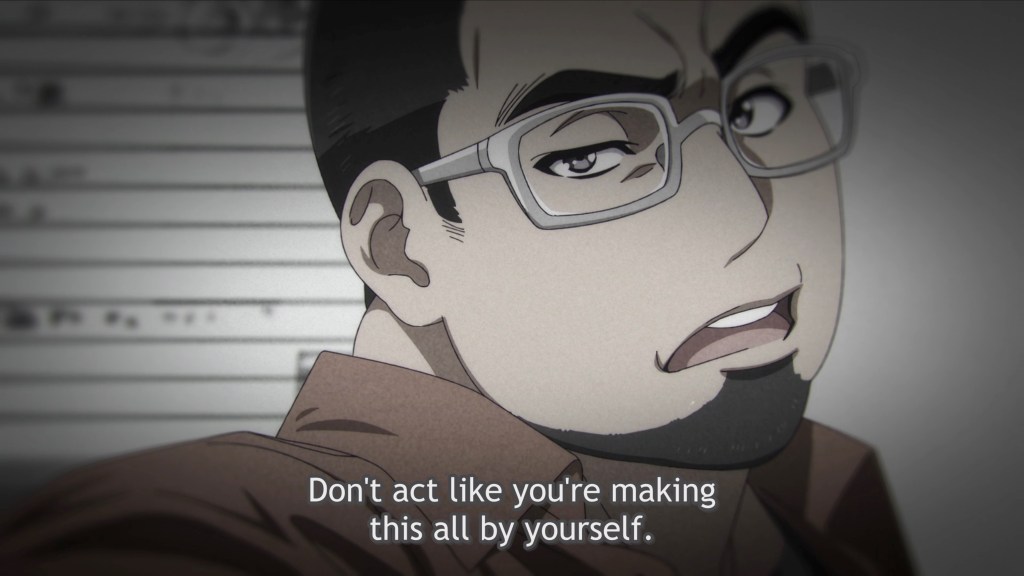
Ministry is much the same way. Some pastors bear the weight of way too much in their churches, thinking they need to do it all themselves. This could be because of a lack of resources and workers, but it could also be because they know so much about their ministries and have so much knowledge of scripture and divinity matters, that they worry that their beloved churches will suffer if lesser-prepared people take on non-pastoral tasks. So they do them. They do it themselves.
I admit I do this quite often, too. I’ve noted to my leadership team here at Beneath the Tangles that a major reason for our recent reorganization was that I have a tendency to do things my way and take over parts of the ministry that I think should be done differently. Like Natsuko, I think, “I’ll do it myself. I’m better at doing [insert task here] than they are, anyway.”
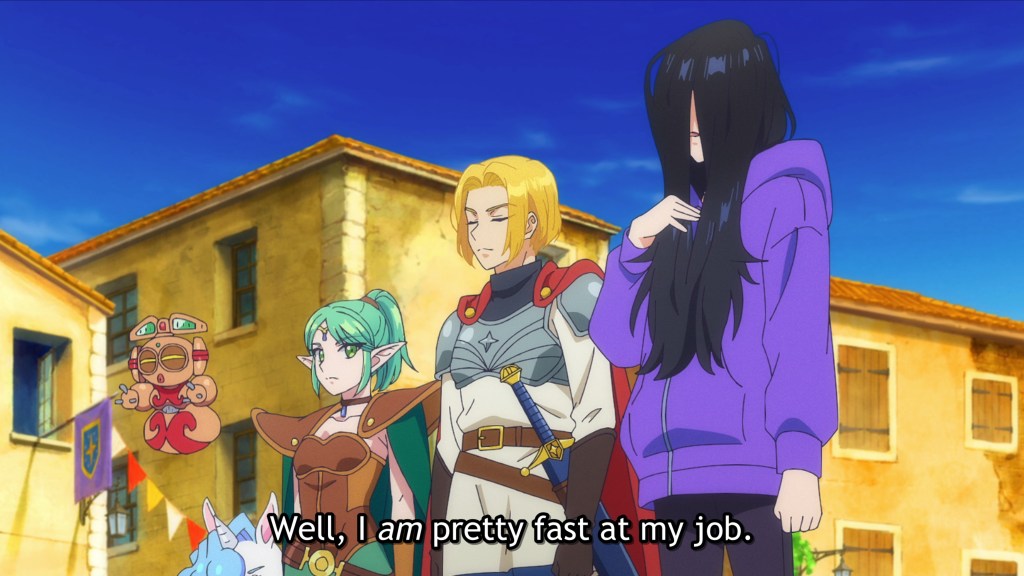
Doesn’t that sound cold? I don’t intend to be that way—and I believe that’s probably true for most of those overworked pastors, and for Natsuko, too. But in an attempt to “help” and get the project or work done, the leader has become, well, a tyrant. And when leaders assume that role, they stunt the growth of those they’re leading.
For instance, up until now, Natusko’s party members have experienced some significant character growth—particularly Luke and Memmeln—but they haven’t grown as heroes. The rest of the party has primarily acted as clean-up since Natsuko has taken control. She has increasingly stepped out in front and done most of the work. So when Natsuko failed against the latest Void, the rest of the party was at a loss. What if Natsuko had allowed them to learn while fighting alongside her this whole time instead of behind her? Would they have succeeded in the most recent fight?
The thing is, Natsuko never considered that option. Even as the story deviates from the original movie, A Tale of Perishing, and she no longer knows what the future holds, Natsuko assumes that she’ll continue to defeat enemies in no time flat—even when warned by an ominous bird that all is not well. Instead of being aware of her limitations, she’s gone in the opposite direction. Hubris has taken hold of her and the results are almost catastrophic.
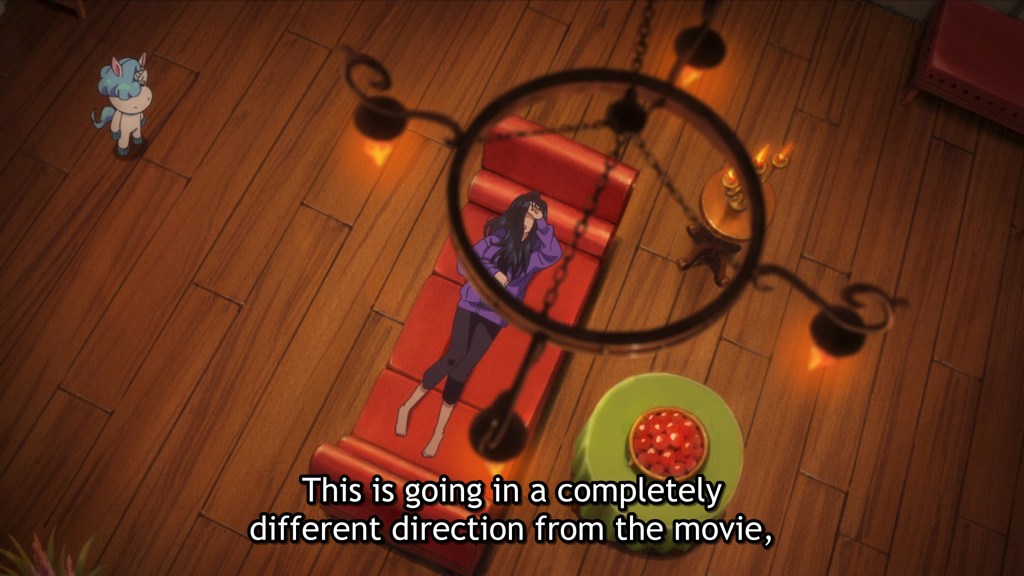
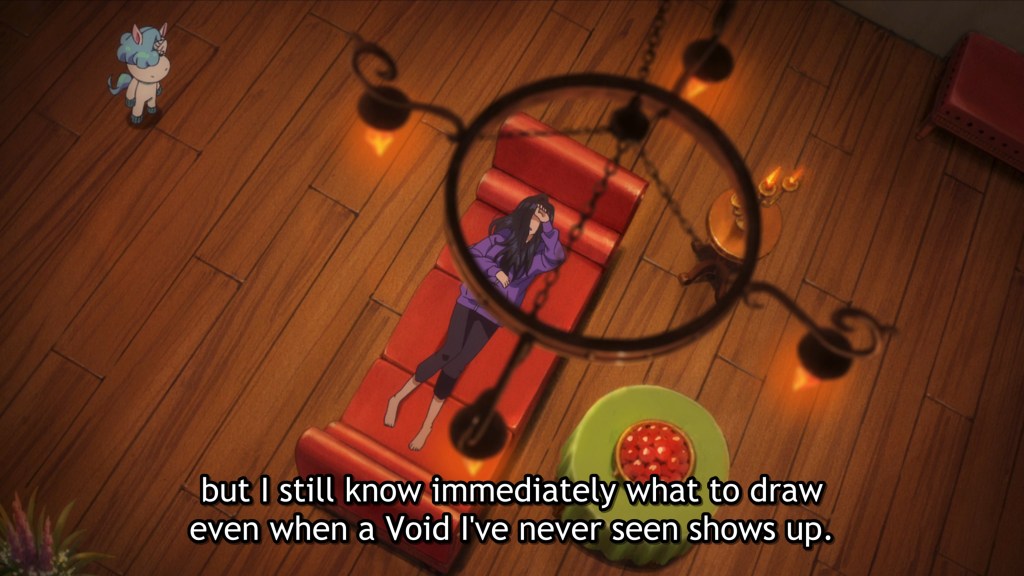
Ministry doesn’t happen on physical battlefields with huge, slimy monsters attempting to consume Soul Futures, but it does happen on spiritual battlefields ”against the rulers, against the authorities, against the powers of this dark world and against the spiritual forces of evil in the heavenly realms” (Ephesians 6:12)—and souls are at stake. Jesus knew this to be true. During his less than three years of ministry, he didn’t “do it himself” all the time, despite obviously being able to do it “better and faster.” Instead, he encouraged and equipped his 12 disciples and others to do the work; they taught, attempted to heal, and went on missions. The immediate results were perhaps minuscule compared to what the Son of God could do himself, but He knew what was coming. He could see the cross before him. And he was preparing his disciples to step into leadership roles. The result would be the spread of Christendom to people all over the world.
Imagine if Jesus had just done it himself. Remember that during his time in the desert, Satan tempted Jesus to do exactly this, basically saying to him, “Jesus, you can take care of your own physical needs, take control of the world, and exalt yourself without doing things God’s way.” He tries to persuade Jesus to put himself and his own goals first to get these things immediately without “wasting his time” trusting and working with others. Why work with others—even the Father—when you can do it all right here, right now?
Jesus knew, however, that there was a better way and that it would involve his disciples. In fact, unlike with Natsuko and her party, where the key thing is defeating the Voids, for Jesus, the key thing is his party itself. Jesus ultimately goes on to defeat the “Void” (Sin and Death) without the help of his party, but by investing so much time and care into the disciples and others, he demonstrates that winning—the actual victory he came to earth for—wasn’t in simply defeating the enemy; it was also in winning our hearts. Jesus redefines the battles; it isn’t about slaying a monster, but about helping his “party” become who they were meant to be.
That’s exactly what Natusko (and we) don’t really get.
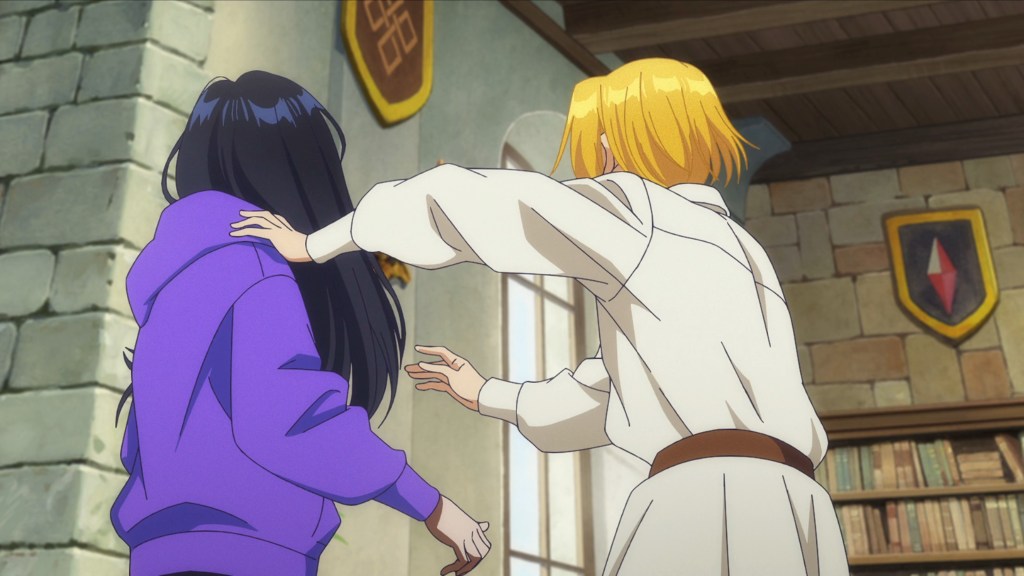
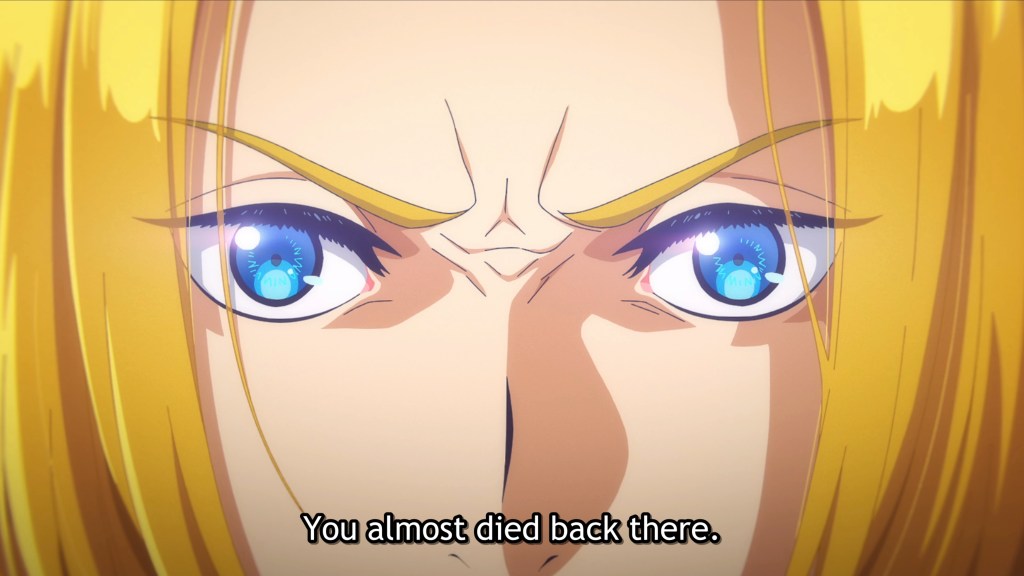

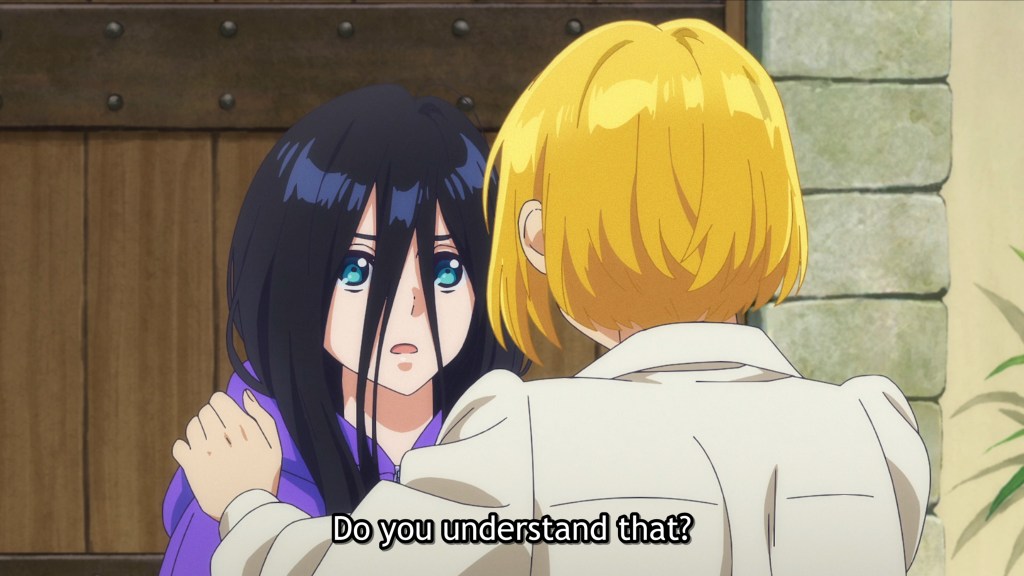
But once Luke and Memmeln express their care for her well-being, Natsuko realizes that she isn’t alone. In fact, she’s never been alone—even in her previous life, she had co-workers who would have been there to work with her, who desperately wanted to be involved, and some who demonstrated that they really cared about her well-being, too. And now, she once again has friends who are with her on the exact same mission. After her realization, Natsuko begins to work with them to craft a plan that requires all of them to defeat this powerful Void.
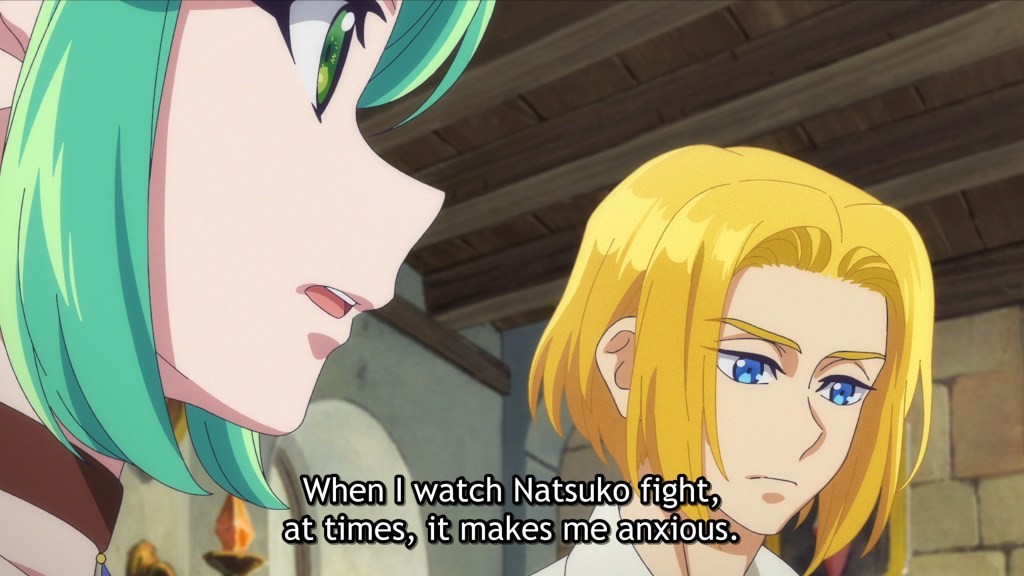
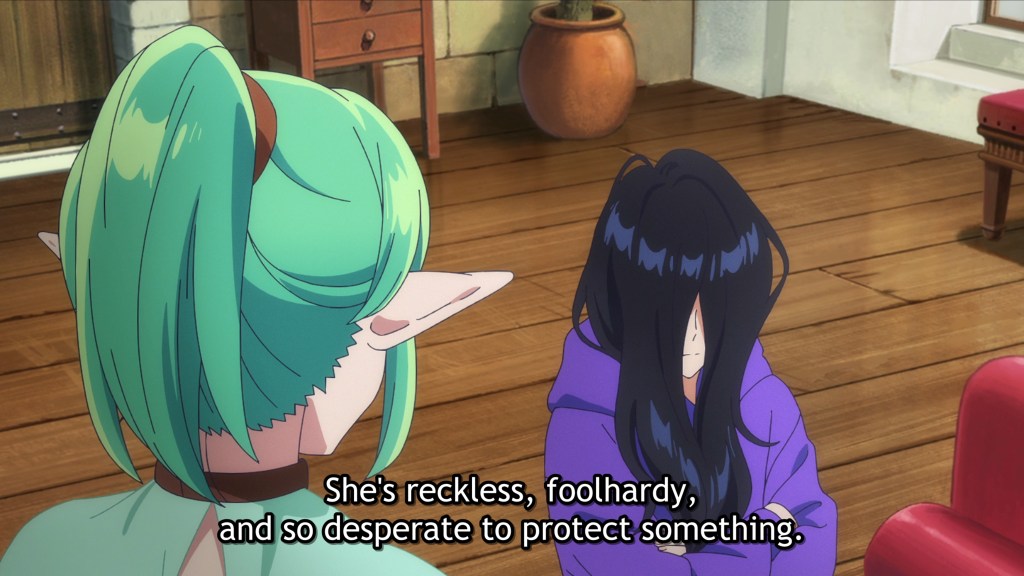
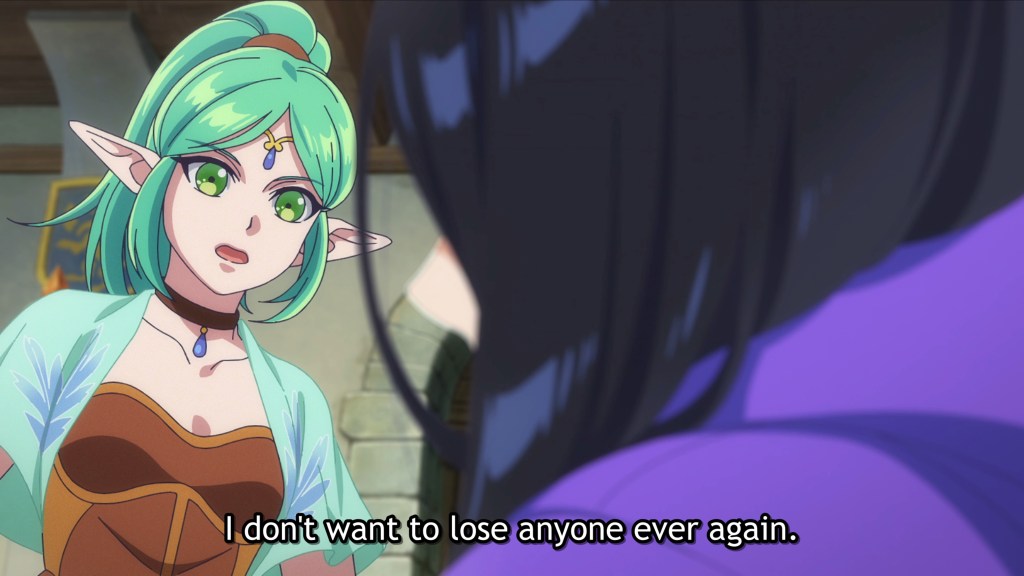
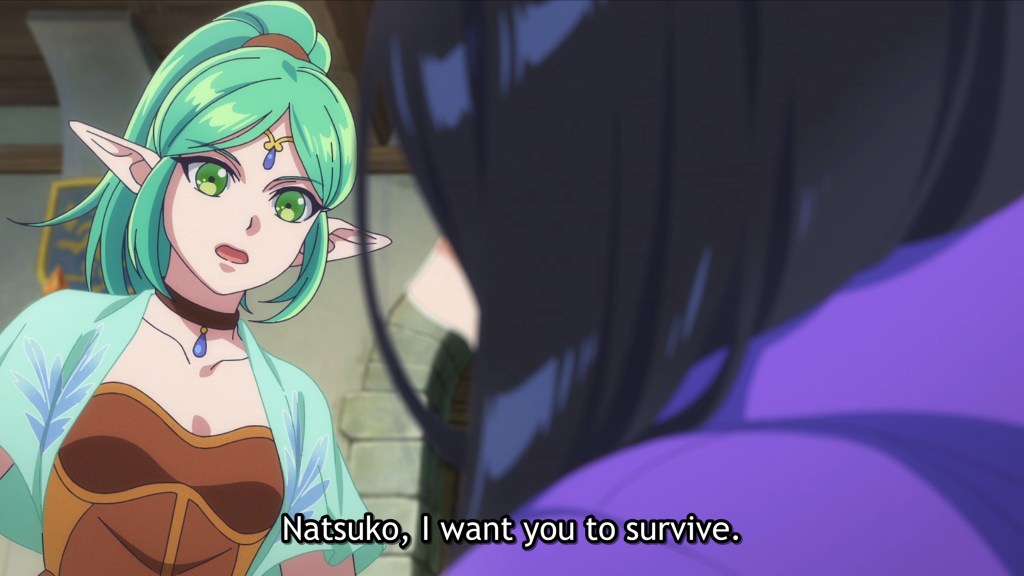
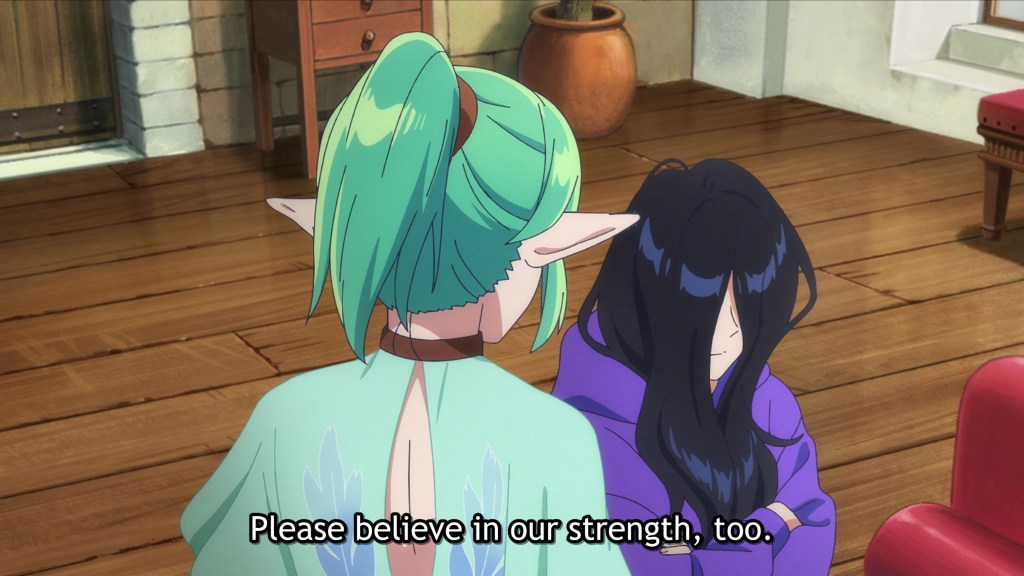
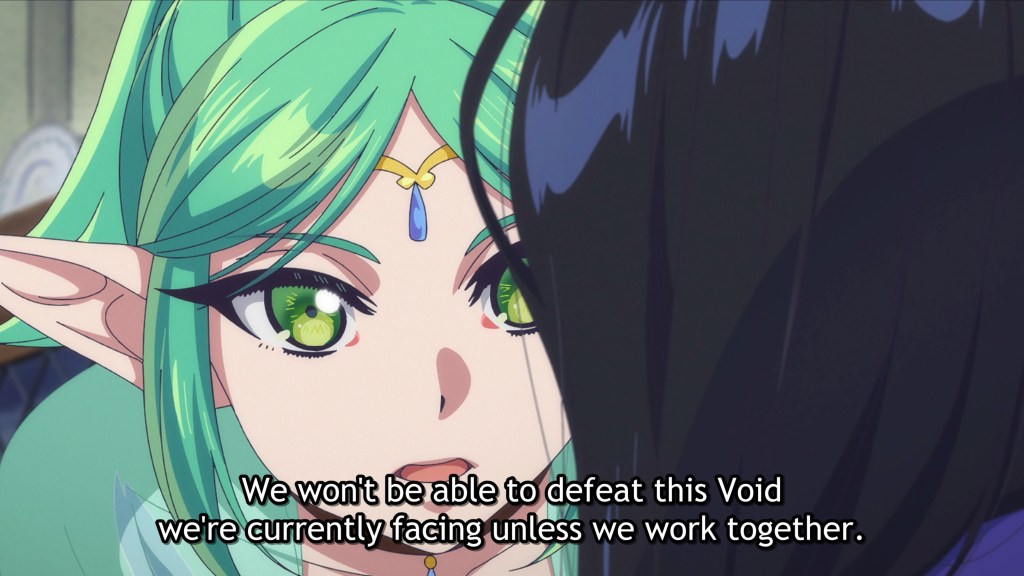
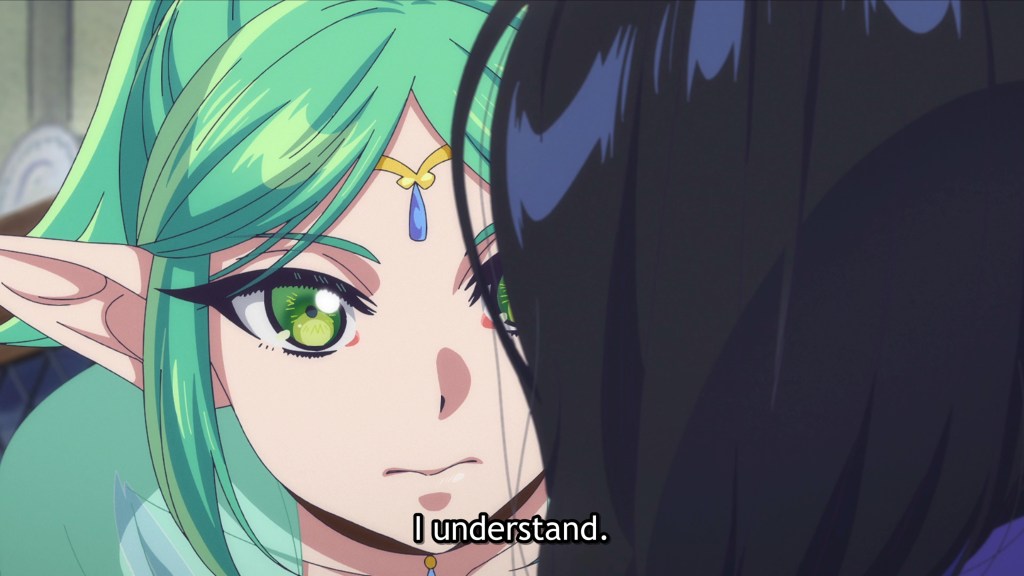
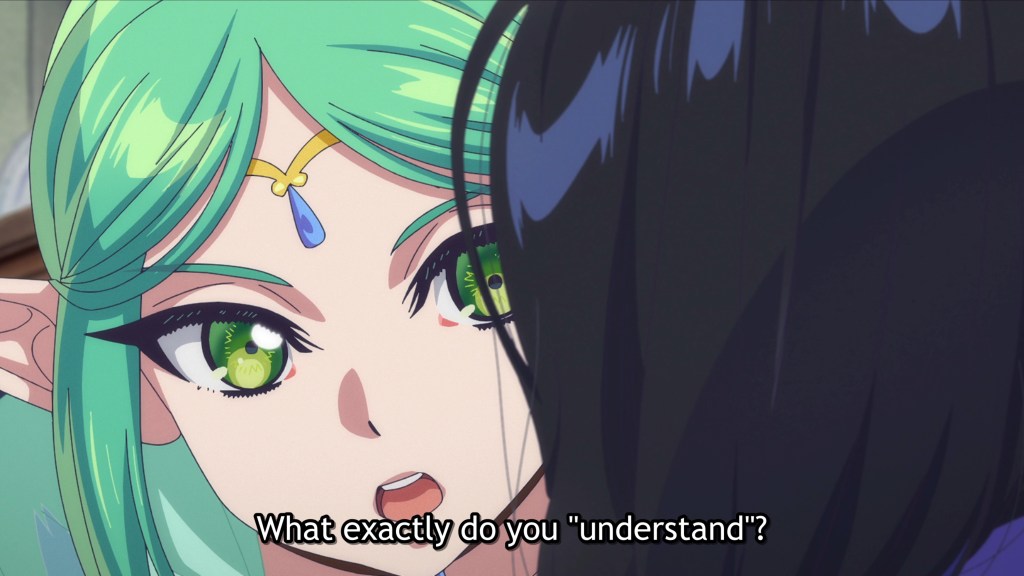
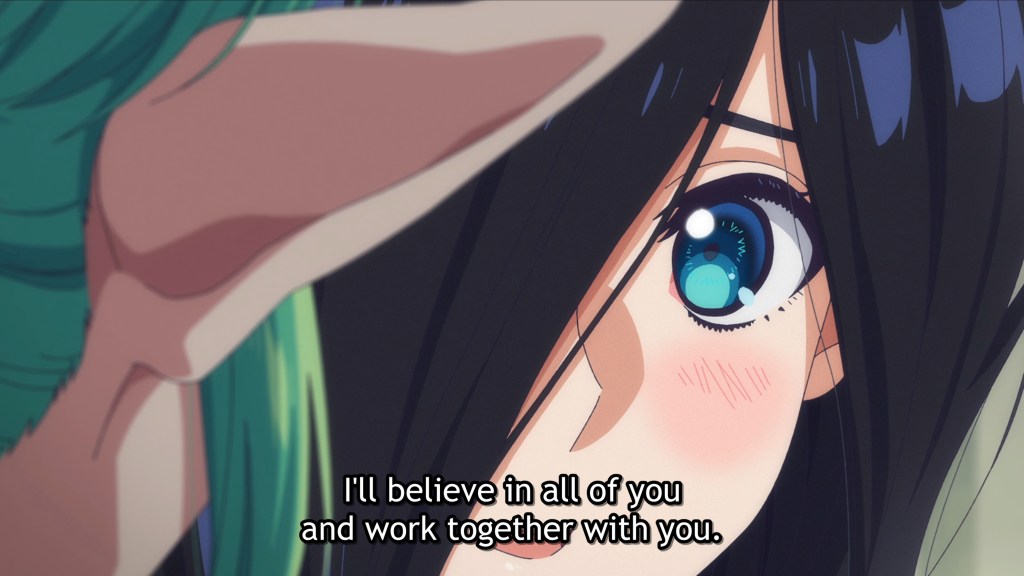

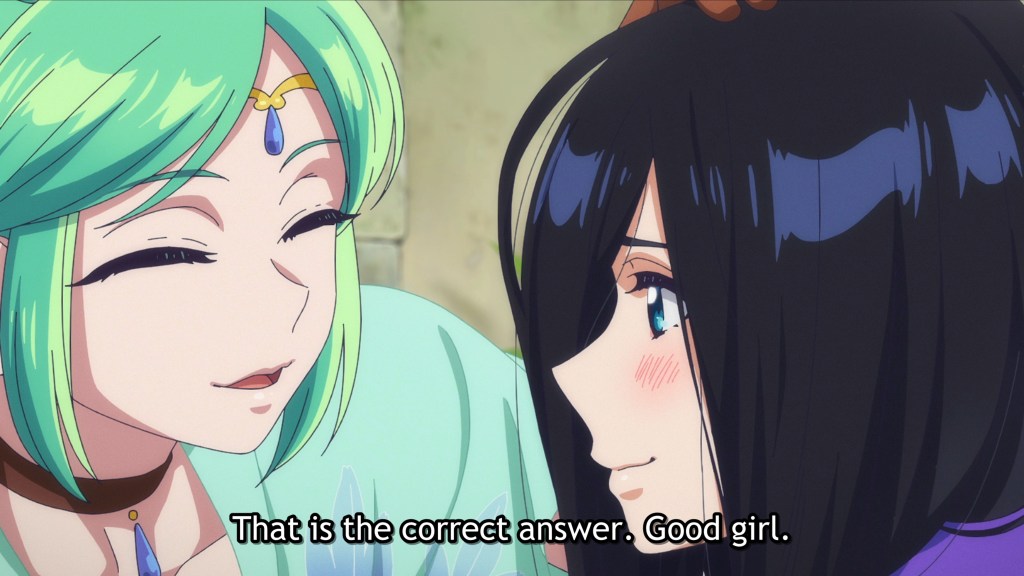
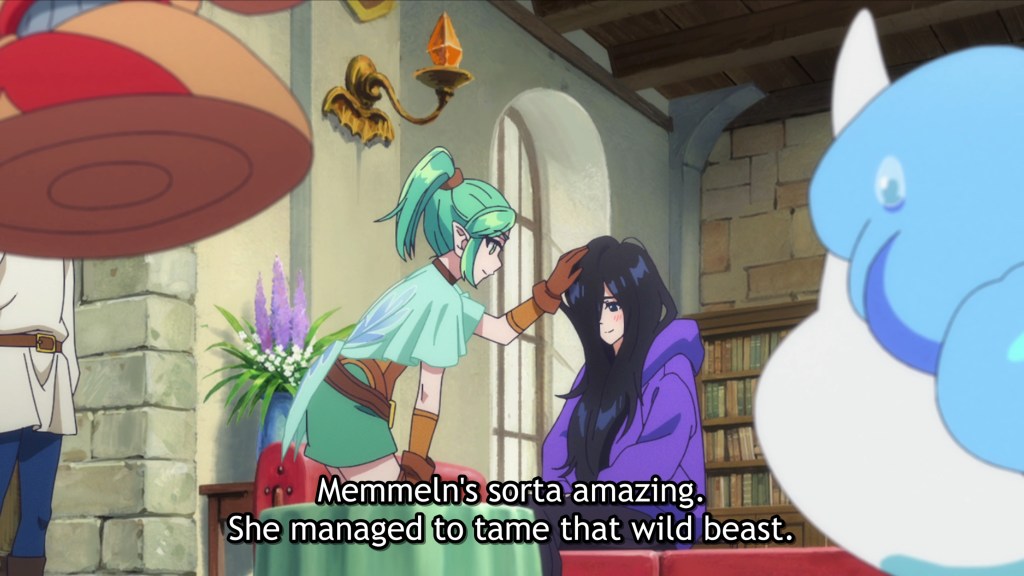
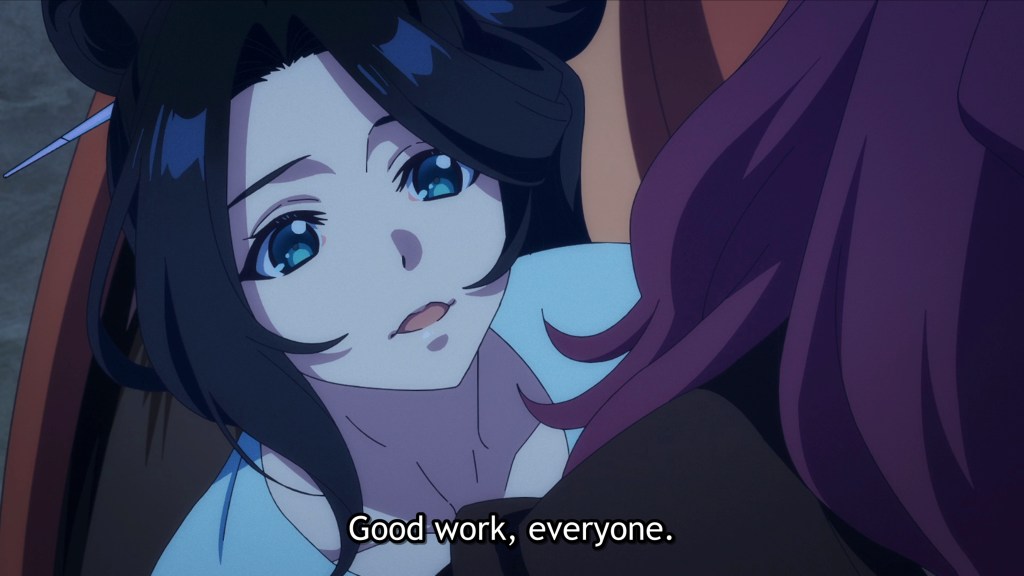
And they do—all because Natsuko finally expresses humility and works with them. She later even lets Memmeln fondly stroke her hair. This isn’t the Natsuko we know (or the one she’s built herself up to be, as we see in the next episode). She’s growing as a person.
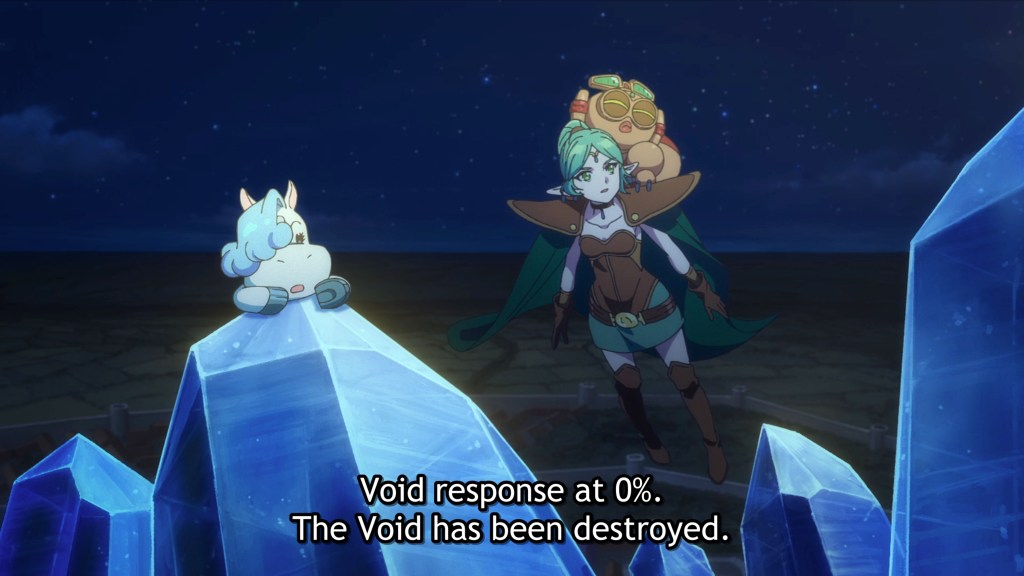
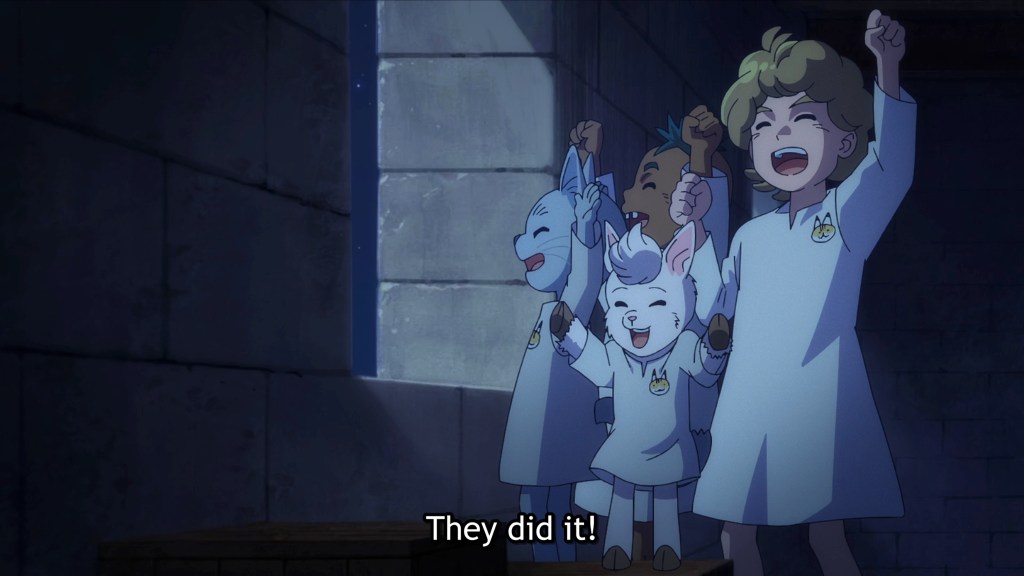
And that, too, is what I want in my life. When you become a leader in ministry—over your church’s production team, as a pastor, or even as the lead over a platform online—you can fall into the trap of feeling that you know best. You’ll take care of it. But remember, you haven’t reached some summit, though outwardly it may look like you have. God placing you in a leadership position is not a sign that you have “arrived.” Leaders, too (maybe especially so!) are works in progress. We are meant to be ever-growing and God is never done training and teaching us.
By allowing our team members to join together in ministry, not only will they grow—and that’s a vital part of what discipleship is—but we as leaders also grow in humility, kindness, self-control, and patience, among other attributes and fruits, all while discovering new ways to do things and godly avenues that you wouldn’t have gone down on your own. The heart of growth is an openness to change. How appropriate, then, that the title of Zenshu’s sixth episode is “Change.” Leaders who let their parties participate in the work will see just that——change in themselves, change in others, and ultimately, change in this world.
Episode six of Zenshu (“Change”) can be streamed on Crunchyroll.

- AniMarch Madness 2026, Rounds Three and Four: The Road to the Final Four! - 03.16.2026
- Fanart Friday, Too: Lycoris Recoil x AniMarch Madness - 03.13.2026
- Review: Anima (2026) - 03.12.2026

[…] if you haven’t already, check out “Don’t Forget Your Party,” be sure to watch episode 9, and then come join us for a little screenside chat as we […]
[…] and most of all, there’s the culmination of Natsuko’s transformation, as we see the kind of leader she’s become in the real world, valuing her coworkers while maintaining her call for excellence, and becoming […]